skip to Main Content

Why Is Hydraulic Equipment Essential?

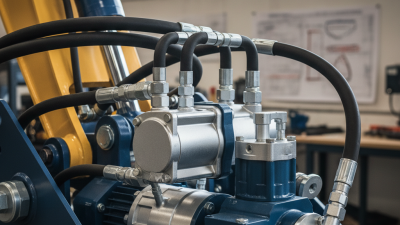
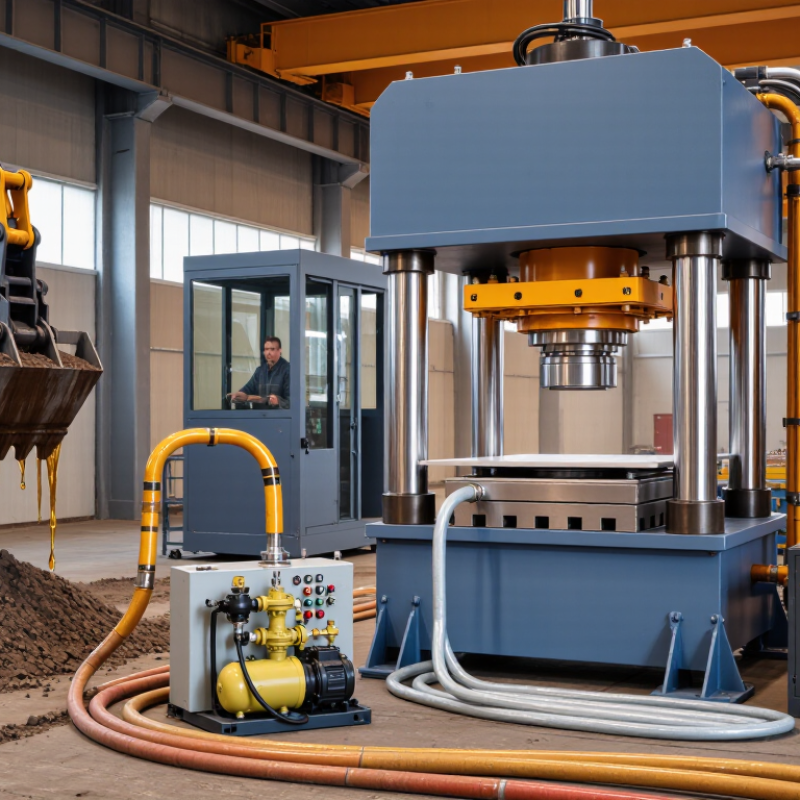
Hydraulic equipment turns controlled fluid pressure into practical force. It raises excavators, steers mobile machinery, and clamps metal parts on factory floors. A hydraulic pump sends oil through hoses and valves; a cylinder then moves a load with controlled force. The details are visible in everyday work: a loader bucket lifting wet gravel, or a press holding a steel plate steady. These systems matter because they deliver high power in compact spaces and can manage heavy loads precisely.

The principle has deep scientific roots. French mathematician and physicist Blaise Pascal’s principle is commonly expressed as: “Pressure applied to a confined fluid is transmitted undiminished throughout the fluid.” That idea helps explain how hydraulic equipment transfers force, though real systems also face friction, heat, leakage, and pressure losses. A useful principle, not a complete design guide.

For operators and engineers, reliability depends on more than raw force. Correct component sizing, clean fluid, sound seals, and regular inspections all affect performance. A small leak can reduce efficiency; contaminated oil can damage pumps and valves. Maintenance records and pressure checks help reveal problems before they become costly failures. Still, even careful maintenance cannot make every system equally efficient. That deserves attention. Hydraulic equipment remains essential in construction, manufacturing, agriculture, and transport because it combines controllable power with adaptable design. Its value is clearest when engineers match the system to the task—and question whether its energy use, heat, and upkeep are acceptable over time.
Why Is Hydraulic Equipment Essential?

How Hydraulic Equipment Transmits Power

Why Is Hydraulic Equipment Essential?

How Hydraulic Equipment Transmits Power

Hydraulic equipment transfers power through moving fluid. A pump turns mechanical energy into fluid flow, drawing oil from a reservoir and pushing it into pressurized lines. Valves guide that flow toward a cylinder or hydraulic motor. Inside a cylinder, pressure acts on a piston, producing a straight push or pull. The result is force. A compact system can move a heavy load, such as a raised machine arm, without placing a large motor at the working end.

Pressure and flow do different jobs. Pressure largely determines how much force a cylinder can apply, while flow rate affects how quickly it moves. Operators adjust valves to direct fluid, regulate speed, or hold a load in position. On a workshop floor, this may look like a lever moving a steel ram a few centimetres at a time. Small leaks matter. They can reduce performance and create slippery surfaces, so hoses, fittings, and fluid levels need regular inspection. The basic principle is clear, but real systems are less tidy: fluid temperature, worn seals, and trapped air can change how smoothly equipment responds. That variation deserves attention during troubleshooting.

Key Components and Their Functions

A hydraulic system turns fluid flow into controlled force. Its reservoir stores oil and allows air and heat to separate. The pump moves fluid; it does not create pressure by itself. Pressure rises when the circuit meets resistance. Small distinction. It matters when diagnosing slow or weak movement. Directional valves route fluid to the correct actuator, while pressure-relief and flow-control valves limit force and adjust speed. A cylinder produces straight-line motion; a hydraulic motor produces rotation. Together, these parts can lift a loaded platform or position a machine arm with precise control.

Filtration protects close-fitting pump and valve surfaces from abrasive particles. A cooler helps maintain oil viscosity during sustained work, while hoses and pipes carry fluid between components. These details are easy to overlook.

The U.S. Department of Energy’s Improving Pumping System Performance: A Sourcebook for Industry reports that pumping systems can consume 25–50% of electricity in some industrial facilities. That figure covers pumping systems broadly, not hydraulic equipment alone, but it underscores why pump selection and operating conditions deserve attention.

In practice, a clogged filter, hot oil, or leaking fitting can undermine an otherwise well-sized system. A tidy diagram may not reveal those losses; inspection and fluid-condition checks still matter.

Advantages of Hydraulic Systems in Heavy-Duty Work

Hydraulic equipment is essential in heavy-duty work because it delivers substantial force from compact components. A loader can lift a dense bucket without relying on bulky mechanical linkages. Hydraulic cylinders also move smoothly under changing loads, helping operators position attachments with care. That control matters. On uneven ground, steady movement can reduce jolts to the machine and its load.

Hydraulic systems are adaptable, too. Pumps, valves, hoses, and cylinders can be arranged for different tasks, from lifting a steel plate to steering a work vehicle. Pressure can be adjusted to match the job, which supports efficient power use. Still, hydraulics are not effortless. A worn seal may cause a slow leak, and contaminated fluid can damage parts. Maintenance takes attention, and sometimes more time than crews expect. That trade-off is easy to overlook.

Tips: Check hoses and fittings for damp spots before work. Keep fluid clean, and follow the equipment’s service guidance. If movement becomes jerky, stop and investigate rather than forcing the control. A quick check helps, but it is not a substitute for proper repair.

Industries That Depend on Hydraulic Equipment

Why Is Hydraulic Equipment Essential?
Industries That Depend on Hydraulic Equipment

Hydraulic equipment helps industries move heavy loads and control force with precision. In manufacturing plants, presses shape metal, while hydraulic cylinders position parts on assembly lines. Operators can adjust pressure and speed to suit different tasks. That matters.

Construction crews rely on hydraulic excavators, loaders, and cranes to dig, lift, and reach across uneven sites. A cylinder can raise a loaded bucket, but worn seals may cause slow movement or fluid leaks. Regular inspections help catch these problems before they interrupt work. Small leaks count.

Agriculture uses hydraulic systems to lift tractor attachments, steer machinery, and operate harvest equipment. Mining and material-handling operations depend on hydraulic brakes, lifts, and powered machinery in demanding conditions. In workshops and service depots, technicians check hoses, fittings, fluid levels, and temperature because contamination can damage components. Hydraulics are not automatically the right choice for every job. They can be powerful, yet costly to maintain when equipment is poorly matched or neglected. That part is easy to overlook. Choosing suitable equipment, training operators, and following maintenance schedules helps keep these systems dependable across changing workloads.

Why Is Hydraulic Equipment Essential? — Industries That Depend on Hydraulic Equipment
Industry Common Hydraulic Equipment Typical Applications Why Hydraulic Equipment Is Essential
Construction Hydraulic excavators, loaders, cranes, and concrete pumps Digging, lifting, material handling, and pumping concrete Hydraulic systems deliver high force through compact components, enabling heavy machinery to perform demanding work with controlled movement.
Agriculture Tractor hydraulic systems, combine harvester mechanisms, and implement cylinders Raising and lowering implements, steering, and operating loaders Hydraulics allow operators to control attachments and transfer substantial force using pressurized fluid, making equipment versatile in the field.
Manufacturing Hydraulic presses, clamping systems, and injection-molding machines Forming, stamping, pressing, clamping, and molding materials Hydraulic equipment can apply and regulate large forces, supporting repeatable production processes and secure workpiece handling.
Mining Drill rigs, haul-truck systems, roof supports, and hydraulic breakers Drilling, breaking rock, moving material, and supporting underground workings Robust hydraulic power helps operate heavy-duty machinery in environments where high force and reliable movement are required.
Transportation and logistics Vehicle lift gates, dock levelers, forklifts, and hydraulic brakes Loading cargo, lifting vehicles or goods, and braking Hydraulic systems provide controlled lifting and force transmission in equipment used to move, position, and secure loads.
Aerospace Aircraft landing-gear, flight-control, and braking systems Moving flight-control surfaces, extending landing gear, and applying brakes Hydraulic power can transmit substantial force through routed lines and actuators, supporting controlled operation of critical aircraft systems.
Marine Hydraulic steering gear, winches, cranes, and stabilizers Steering vessels, handling mooring lines, and moving cargo Hydraulic actuators can operate large mechanisms and deck equipment where compact, controllable force is important.
Energy and utilities Hydraulic actuators, tensioning systems, and maintenance lifts Operating industrial valves, tensioning cables, and servicing heavy equipment Hydraulics support force-intensive tasks and allow machinery to be positioned or actuated with controlled movement.

Safety and Maintenance Requirements for Reliable Operation

Hydraulic equipment can deliver enormous force through compact systems, but reliable operation depends on disciplined safety and maintenance. Before servicing a pump, cylinder, or hose, isolate the power source and release stored pressure according to the equipment’s procedures. Wear eye protection and suitable gloves.

Never use your hand to find a leak; high-pressure fluid can penetrate skin. Even a pinhole can cause a serious injury.

Inspect hoses for cracked covers, bulges, or abrasion, especially near clamps and moving joints. Check fittings for seepage and cylinder rods for scratches that may damage seals. Small leaks matter.

Keep fluid clean by using sealed containers and replacing filters at the specified intervals. Confirm fluid type and reservoir level against the equipment manual, rather than guessing from color.

Record pressure readings, fluid temperature, and recurring faults; patterns can reveal wear before a failure stops work. A calibrated gauge helps, though it cannot explain every sluggish cycle. That takes discipline.

A checklist can miss a loose fitting or an unusual sound, so pause when equipment behaves differently. Avoid raising system pressure just to compensate for slow movement, and have qualified personnel investigate the cause.

Back To Top