skip to Main Content

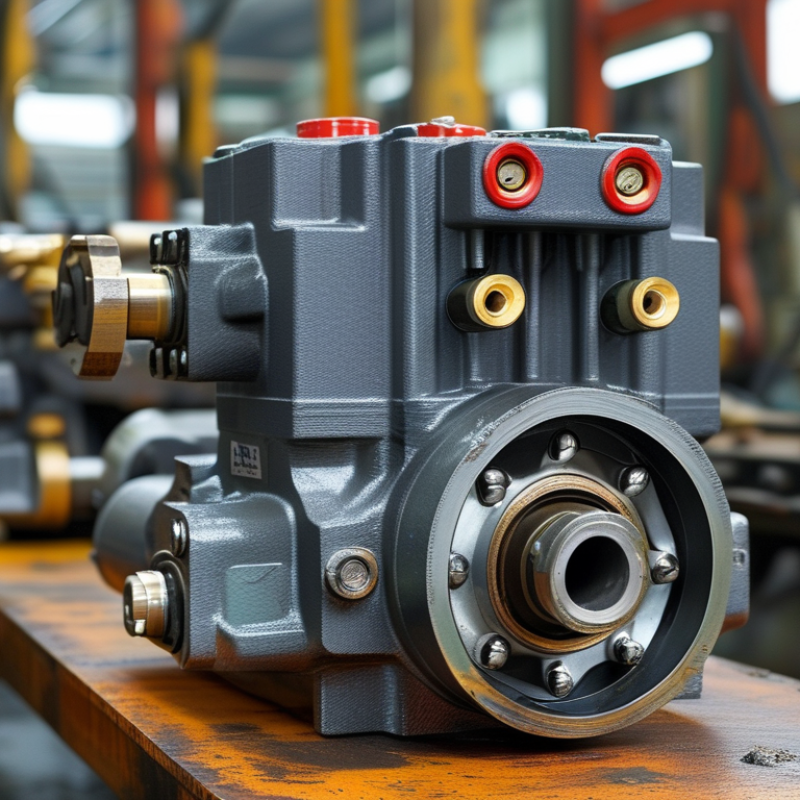
Selecting the right hydraulic pump begins with the machine, not the catalog. Measure required flow, operating pressure, shaft speed, and fluid temperature. A pump that looks powerful may waste energy when its displacement is oversized. Check the duty cycle carefully. Continuous operation demands different protection than occasional lifting. I have seen small pressure errors create noisy lines, hot reservoirs, and premature seal wear.
Match the pump’s displacement to the actuator’s movement. Confirm inlet size, rotation direction, mounting pattern, and shaft dimensions before ordering. These details seem minor. They are not. Fluid compatibility also matters, especially in cold workshops or dusty outdoor settings. Review verified test data, service records, and applicable engineering standards. A supplier should explain efficiency, noise levels, warranty limits, and replacement-part availability without vague promises.
Installation conditions deserve equal attention. Keep the suction line short, support heavy hoses, and filter the fluid at the recommended rating. Contamination is a quiet failure source. It can damage a new pump within hours. I would also compare the real operating range with the advertised maximum. Maximum pressure is not a comfortable working pressure. The first selection may still be wrong after testing. Recheck temperature, vibration, and response speed under load, then adjust the specification when field evidence disagrees.