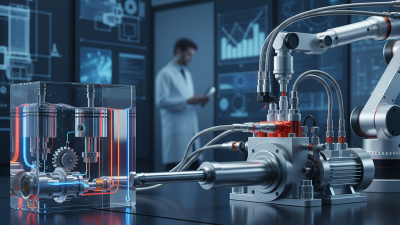
Top 10 Pneumatic and Hydraulic Systems in China You Should Know?
Pneumatic and hydraulic systems play a vital role in various industries across China. These systems utilize compressed air and fluid power to perform essential tasks. They enhance efficiency, safety, and precision in manufacturing, construction, and logistics.
Many companies depend on these technologies for automation. Pneumatic and hydraulic systems can control machinery, lift heavy loads, and assist in assembly lines. Each system has unique advantages. For example, pneumatic systems are often lighter and faster, while hydraulic systems provide greater force and control.
In this exploration of the top 10 pneumatic and hydraulic systems in China, we will uncover the leaders in innovation and reliability. Understanding these systems can help businesses choose the right solutions for their needs. However, not all systems are perfect. Potential challenges include maintenance costs and the need for skilled operators. Reflection on these aspects is crucial for making informed decisions.
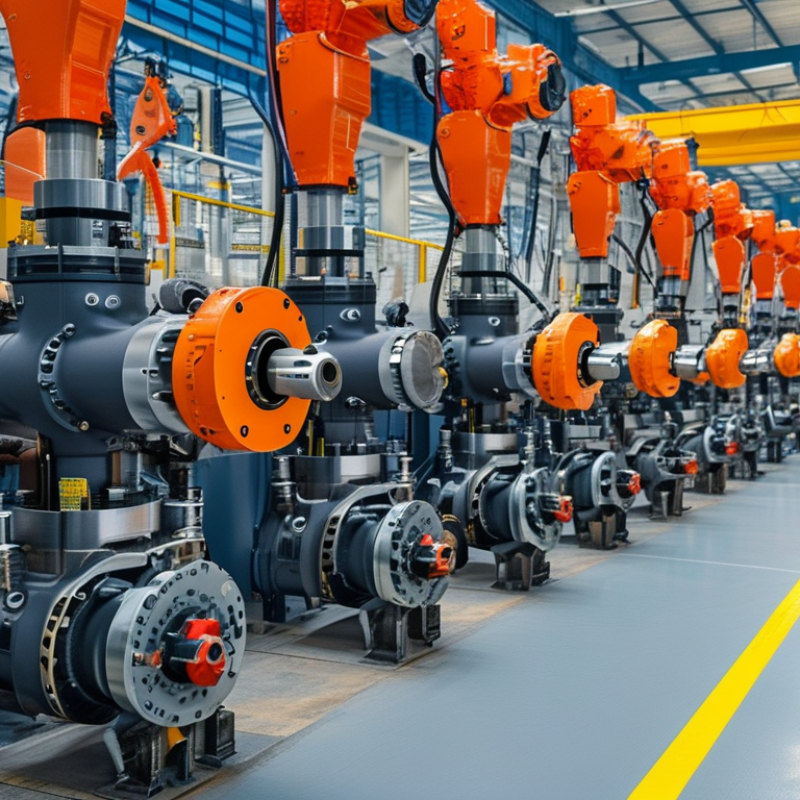
Overview of Pneumatic and Hydraulic Systems in China
Pneumatic and hydraulic systems play vital roles in various industries across China. According to the China Hydraulic and Pneumatic Market Analysis Report, the market is projected to reach approximately $8 billion by 2025. This growth is attributed to the rapid industrialization and increasing demand for automation in manufacturing processes.
Pneumatic systems utilize compressed air, making them ideal for tasks requiring movement and force. They often have lower costs and maintenance requirements compared to hydraulic systems. However, pneumatic systems can struggle with precision and force, leading to inefficiencies in certain applications. On the other hand, hydraulic systems employ fluid power for high force applications. They excel in tasks that demand precision and heavy lifting but come with higher maintenance costs and the risk of leaks.
China has seen an increase in research and development in this sector. Experts emphasize the need for innovation in system design to enhance efficiency. Industry practitioners continuously explore advanced materials and technologies. This focus on improvement can address current limitations and improve overall system performance. Emphasizing sustainability is also crucial, as eco-friendly practices become increasingly significant in global industry standards.
Top 10 Pneumatic and Hydraulic Systems in China
| System Type |
Applications |
Advantages |
Market Share (%) |
| Pneumatic Actuators |
Manufacturing, Packaging |
Fast Response, Low Maintenance |
25 |
| Hydraulic Presses |
Metal Forming, Machining |
High Force, Precision Control |
20 |
| Pneumatic Valves |
Automation Systems |
Reliable Performance, Simple Design |
15 |
| Hydraulic Tubing |
Construction, Transportation |
Durability, High Pressure Resistance |
10 |
| Pneumatic Conveying Systems |
Food, Pharmaceuticals |
Clean, Efficient Material Handling |
18 |
| Hydraulic Cylinders |
Mining, Forestry |
High Power, Compact Design |
12 |
| Pneumatic Tools |
Construction, Automotive |
Lightweight, High Efficiency |
8 |
| Hydraulic Pumps |
Agriculture, Construction |
Efficient Fluid Movement |
17 |
| Vacuum Systems |
Packaging, Electronics |
Energy Efficient, Versatile |
5 |
| Hydraulic Motors |
Heavy Equipment, Industrial |
High Torque, Compact Size |
10 |
Key Industries Utilizing Pneumatic and Hydraulic Systems
Pneumatic and hydraulic systems play a crucial role in various industries in China. Manufacturing is one of the key sectors utilizing these systems. According to a report by Statista, the Chinese manufacturing industry consumed approximately 40% of pneumatic and hydraulic equipment in 2022. This demand is driven by automation and efficiency needs in production lines.
Construction is another significant sector. As urbanization rises, hydraulic systems are vital in heavy machinery like excavators and cranes. Reports indicate that the construction industry is projected to grow by 6.5% annually, highlighting an increasing reliance on hydraulic technology. These systems enhance safety and precision during complex tasks.
Tips: When considering pneumatic or hydraulic systems, assess your operational needs carefully. Efficiency should be a priority, but safety cannot be overlooked. Regular maintenance is essential to prevent costly downtimes.
In agriculture, hydraulic technology is used in tractors and harvesters. This provides farmers with
improved control over their equipment. However, the high initial investment remains a barrier for many
small-scale farmers. They often struggle with accessing the latest advancements and technologies.
Top Manufacturers of Pneumatic and Hydraulic Equipment in China
China has emerged as a leader in pneumatic and hydraulic systems. The country hosts numerous manufacturers known for their expertise in this field. These companies utilize advanced technology to produce high-quality equipment. They focus on efficiency, durability, and innovation. The products range from air compressors to hydraulic cylinders, all designed to meet industrial needs.
Many Chinese manufacturers excel in providing customized solutions. Their facilities often incorporate state-of-the-art automation and quality control measures. This dedication to precision enhances their reputation globally. However, there are challenges. Some manufacturers struggle with consistency in quality. It's crucial for buyers to assess supplier capabilities thoroughly.
Innovation remains at the forefront of the industry. Manufacturers invest in research to improve efficiency. Some are exploring eco-friendly options to reduce environmental impact. Yet, the journey towards sustainability requires critical evaluation. As the industry evolves, ongoing quality assessment and adaptation are necessary. So, staying informed about top manufacturers and their practices is essential for any business relying on pneumatic and hydraulic systems.
Innovations in Pneumatic and Hydraulic Technology
Innovations in pneumatic and hydraulic technology have reshaped industrial processes in China. These systems are crucial in manufacturing, automation, and construction. New designs improve efficiency and reduce energy consumption. For example, lightweight materials are increasingly used in hydraulic components. This change enhances performance while decreasing equipment fatigue.
Recent advancements include smart sensors integrated into pneumatic systems. These sensors monitor performance in real-time, allowing for immediate adjustments. Enhanced data analytics optimize fluid dynamics, promoting precision. Additionally, eco-friendly hydraulic fluids are being developed. These innovations address environmental concerns while maintaining system efficiency.
Despite these advancements, challenges remain. The reliance on traditional materials can hinder progress. Some industries still resist adopting new technologies due to costs. Training for technicians is often insufficient, leading to implementation issues. Addressing these gaps is vital for continued growth in pneumatic and hydraulic systems.
Challenges and Future Trends in China’s Pneumatic and Hydraulic Market
China’s pneumatic and hydraulic market faces numerous challenges today. Rapid industrial growth has led to increased demand. However, many companies struggle with outdated systems. These aging technologies cannot keep pace with modern efficiency needs. Maintenance costs rise as equipment ages, impacting profitability. Training the workforce on new systems remains a challenge. Many skilled workers are retiring, leaving a knowledge gap.
Looking ahead, integrating IoT technology offers promising solutions. Smart sensors can enhance system monitoring and efficiency. However, the initial investment is often seen as a barrier. Companies may hesitate to adopt these advanced solutions. Regulatory changes also impact the market, requiring companies to adapt swiftly. Competition among domestic and international players is intensifying, pushing innovation.
Environmental considerations are becoming increasingly important. Companies are under pressure to adopt sustainable practices. This shift requires a reevaluation of existing processes and systems. By understanding these challenges, firms can better position themselves for future success. Collaboration across industries may also lead to innovative breakthroughs. The future of pneumatic and hydraulic systems in China is filled with potential but requires careful navigation.
 skip to Main Content