skip to Main Content
Small businesses rarely have unlimited floor space, time, or money. A reliable Compact Laser Cutter can turn a narrow workshop corner into a productive fabrication area. It can help create wooden signs, acrylic displays, leather goods, packaging prototypes, and personalized products. Yet compact does not always mean simple.
No machine is perfect.
This guide examines the Top 10 Compact Laser Cutter Machines for Small Businesses through practical business needs. We consider cutting performance, engraving detail, work-area size, software, ventilation, maintenance, noise, and total ownership cost. These details matter when a machine runs beside a packing table or inside a small studio.
Laser educator Russ Sadler often explains the practical reality this way: “A laser cutter is a tool, not a magic wand.” That reminder shapes this comparison. Skill, material testing, and safe operating habits still influence every result. A powerful machine cannot correct poor focus, unsuitable materials, or weak extraction.
The selected models represent different budgets and workflows. Some suit beginners who need guided software and simple setup. Others support heavier production, larger sheets, or faster repeated jobs. We will also identify limitations, because honest reviews should show more than polished samples.
A glossy engraving is not enough.
Our evaluation focuses on measurable details and real workshop conditions. We look at setup time, edge quality, speed consistency, customer support, and available replacement parts. We also consider whether each machine can grow with a business. A low entry price may become expensive after upgrades, repairs, or wasted materials.
This list cannot predict every user’s experience. Material density, climate, workspace design, and operator confidence can change results. Still, it offers a practical starting point for choosing a Compact Laser Cutter with clearer expectations.
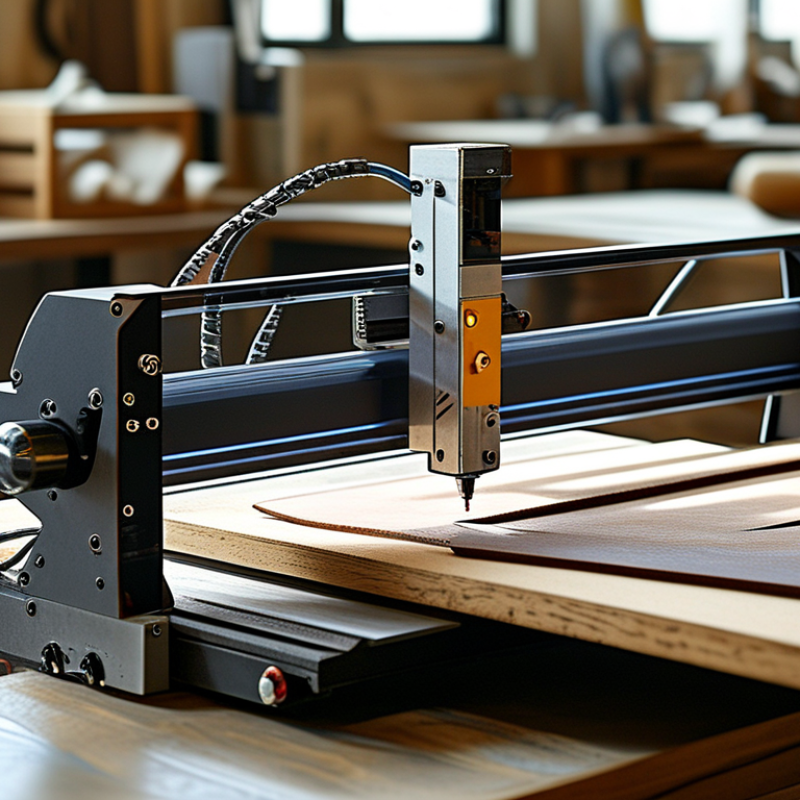
A compact laser cutter for a small business is more than a machine with a small footprint. It must fit the workflow, ventilation system, and available electrical capacity. Grand View Research estimated the global laser cutting machine market at about USD 6.8 billion in 2023, showing strong demand for flexible fabrication equipment. However, market growth does not make every compact model suitable for daily production.
A practical unit should occupy limited floor space while leaving room for loading, maintenance, and safe material handling. A working area near 600 × 400 millimeters suits signs, packaging samples, ornaments, and small product batches. Cutting speed matters, but repeatability matters more. The machine should maintain clean edges across repeated jobs, with stable motion and controllable power. Integrated extraction is valuable, although it may not replace professional ventilation. The U.S. National Institute for Occupational Safety and Health emphasizes controlling airborne contaminants at their source.
Safety features also define compactness. Enclosed operation, interlocks, filtration, and emergency stopping reduce risks in crowded workshops. ISO 11553-1 provides an established framework for laser-processing machine safety. Noise and heat deserve attention too. A small room can become uncomfortable quickly.
I would measure the doorway twice.
Power requirements, service access, software compatibility, and waste handling often receive less attention. That is a mistake. A compact cutter saves space, but it can still consume valuable production time. My practical test would include a full working day, repeated calibration, and imperfect materials. Real workshops are rarely tidy.
Before comparing compact laser cutters, measure the work you actually produce. A 400 × 400 mm bed may suit signs, tags, and small product parts. It may frustrate you when orders grow. Grand View Research estimated the global laser cutting machine market at about USD 5.4 billion in 2023, with continued growth expected through 2030. That growth reflects wider adoption, but it does not make every machine suitable for a small workshop. Check cutting depth, repeatability, and the machine’s stated duty cycle. Marketing power numbers can be misleading.
Safety and workflow deserve equal attention. The machine should include a reliable enclosure, door interlocks, emergency stopping, and visible ventilation controls. IEC 60825-1 provides a widely used framework for laser product safety classification. Compare its compliance documentation carefully. Air assist helps reduce scorching and supports cleaner edges. An effective exhaust system matters even more when cutting wood or acrylic. Noise also matters in a shared workspace. Very few comparison tables mention it.
Software compatibility can save hours each week. Test file import, material presets, camera alignment, and pause recovery before buying. Look for replaceable lenses, accessible mirrors, and affordable consumables. A smaller machine may use less floor space but require more frequent cleaning. That trade-off is easy to miss. I would record one sample cut from each finalist, then inspect edge quality under bright light. Perfect results are unlikely on the first attempt. Real material testing often changes the ranking. Calculate the full cost, including ventilation, maintenance, electricity, training, and wasted sheets.
Compact laser cutter machines help small businesses create signs, packaging, ornaments, prototypes, and personalized products without occupying a full workshop. The ten most practical choices include enclosed diode cutters, desktop CO2 cutters, air-cooled units, dual-source machines, and models with built-in cameras. Diode systems suit thin wood, cardboard, and coated materials. CO2 systems usually handle acrylic and thicker non-metal materials more effectively. A small footprint matters, but working area matters more. A machine that fits a desk may still limit useful product sizes.
Reliable performance depends on more than laser power. Look for stable rails, accessible maintenance points, emergency controls, and clear operating software. Proper ventilation is essential, especially when cutting synthetic materials.
I once underestimated extraction needs, and the lingering odor made a short project unpleasant. That mistake changed my buying checklist.
A compact machine should also support repeatable positioning, because uneven alignment quickly wastes material and customer time. Safety documentation and responsive technical support add real value for first-time operators.
Tips:
Measure your workspace before buying. Leave room for ventilation, material loading, and cleaning. Test sample materials before accepting paid orders. Keep a log of speed, power, focus, and results. Never cut unknown plastics or materials that release dangerous fumes. A camera can improve alignment, but it does not replace supervision. Consider noise, warranty terms, replacement parts, and software learning time. The cheapest machine may become expensive when setup is difficult or downtime interrupts production.
Compact laser cutters can turn a small workbench into a flexible production space. Their strongest business value lies in short-run, customized work. A sign maker can cut acrylic lettering, plywood displays, and engraved desk plates. Gift sellers can create personalized ornaments, boxes, and wedding accessories. A compact machine also helps product designers test packaging or prototype shapes before ordering expensive tooling.
Service businesses may use these cutters for architectural models, classroom projects, jewelry components, and branded office gifts. The best materials depend on the machine, ventilation system, and local safety requirements. Never cut unknown plastics or coated materials. Some release hazardous fumes. Keep a fire extinguisher nearby, inspect the air filter, and avoid unattended operation. Reliable results also require a clean lens, accurate focus, and consistent material thickness. Small errors matter. A slightly warped sheet can ruin a full batch.
Tips: Start with one profitable product, not ten. Record cutting speed, power, material type, and failure rates. Test a small sample before accepting a large order. Leave space for finishing, packaging, and customer revisions. I have seen attractive prototypes fail because assembly took longer than cutting. That weakness deserves honest pricing. Training staff on ventilation, emergency stops, and material handling is equally important. A compact cutter is useful, but it is not automatically simple.
This chart shows typical maximum cutting thicknesses for common small-business materials when using a compact 40–60 W CO₂ laser cutter. Actual results depend on material density, focus, ventilation, cutting speed, and the machine’s optical power.
For a small business, a compact laser cutter must fit both the workspace and the workflow. I have found that a small footprint does not mean low risk. Choose a machine with a secure enclosure, lid interlock, emergency stop, and visible status indicators. Place it on a stable, nonflammable surface. Keep a suitable fire extinguisher nearby. Never leave an active cut unattended.
Ventilation matters every day. Connect the exhaust system correctly and check whether your room needs additional filtration. Some materials release corrosive or harmful fumes, so confirm the material safety data before cutting. Avoid unknown plastics and any material containing chlorine. Local fire, electrical, and workplace rules also deserve careful checking. A cheap installation can become an expensive mistake.
Maintenance is simple, but skipping it reduces accuracy quickly. Clean the lens and mirrors according to the manual, remove residue from the bed, and inspect belts, rails, fans, and exhaust ducts. Record cleaning dates and unusual noises. I sometimes underestimated residue buildup during busy weeks. That was a mistake. During purchase, compare service access, replacement-part availability, software compatibility, warranty terms, and training support. Test a sample file before committing. A powerful laser is not always the best choice; dependable alignment, safe controls, and predictable operating costs often matter more for small orders.
| Rank | Compact Machine Type | Laser Source & Rated Power | Typical Working Area | Suitable Materials | Typical Cutting Capacity | Enclosure & Safety Features | Ventilation Requirement | Routine Maintenance | Typical Purchase Range (USD) | Best Small-Business Use |
|---|---|---|---|---|---|---|---|---|---|---|
| 1 | Enclosed CO₂ Cutter, 40 W | Sealed CO₂ tube, 40 W | Approx. 400 × 300 mm | Wood, acrylic, cardboard, leather, rubber, some fabrics | Up to about 6 mm plywood in multiple passes; varies by material | Fully enclosed Class 1-style design, viewing window, lid interlock, emergency stop, water-temperature monitoring | Dedicated exhaust duct and filtration or external exhaust; never operate without fume extraction | Clean optics weekly, inspect mirrors, check water cooling, clean bed, lubricate rails monthly | $2,500–$6,000 | Signage, personalized gifts, small-batch acrylic and wood products |
| 2 | Enclosed Diode Cutter, 20 W Optical Output | Blue diode module, approximately 20 W optical output | Approx. 400 × 400 mm | Wood, paper, leather, cardboard, opaque acrylic with suitable settings | Up to about 8–10 mm soft plywood with slow, multi-pass cutting | Enclosure, lid sensor, emergency stop, air assist, flame detection on some configurations | Strong local exhaust with particulate and odor filtration; airflow must not be blocked | Clean lens and honeycomb bed frequently, remove residue, inspect air-assist tubing | $1,000–$3,500 | Low-cost prototyping, craft products, custom packaging and engraving |
| 3 | Desktop CO₂ Cutter, 50 W | Sealed CO₂ tube, 50 W | Approx. 500 × 300 mm | Acrylic, wood, leather, paper, textiles and coated non-metal materials | Up to about 8–10 mm plywood or acrylic, depending on speed and material quality | Enclosed cabinet, interlocked lid, emergency stop, water-flow or temperature protection | External exhaust is normally required; use fire-resistant ducting where appropriate | Optical alignment checks, lens and mirror cleaning, coolant inspection, rail lubrication | $3,500–$8,000 | Higher-volume engraving and cutting with a moderate footprint |
| 4 | Compact Diode Engraver, 10 W Optical Output | Blue diode module, approximately 10 W optical output | Approx. 400 × 400 mm | Wood, leather, paper, cardboard and dark opaque surfaces | Up to about 5–6 mm soft plywood with multiple passes | Open-frame or optional enclosure; protective eyewear alone is not a substitute for enclosure controls | Local extraction strongly recommended, especially for wood, leather and painted surfaces | Clean lens and work surface after each production batch; check belts and air assist weekly | $500–$1,800 | Engraved merchandise, educational products and low-volume custom orders |
| 5 | Compact CO₂ Cutter, 60 W | Sealed CO₂ tube, 60 W | Approx. 600 × 400 mm | Acrylic, wood, leather, rubber, paper and selected textiles | Up to about 10–12 mm acrylic or plywood in suitable conditions | Enclosed cabinet, lid interlock, emergency stop, water cooling and air assist | Dedicated exhaust system with adequate airflow; carbon filtration may reduce odor but does not remove all hazards | Clean optics weekly, verify beam alignment, inspect coolant and replace it according to the manual | $5,000–$11,000 | Custom décor, retail displays, event products and repeat production runs |
| 6 | Compact Fiber Marker, 20 W | Pulsed fiber laser, 20 W | Approx. 110 × 110 mm marking field | Stainless steel, aluminum, brass, coated metals and some plastics | Primarily marking and light engraving; not intended for general sheet cutting | Enclosed marking chamber, interlocked door and viewing window required for safer operation | Fume extraction with suitable particulate filtration for metal and coating residues | Keep lens window clean, inspect extraction filters, maintain focus and software settings | $4,000–$12,000 | Metal tags, tools, awards, jewelry and serialized components |
| 7 | Compact CO₂ Engraver, 30 W | Sealed CO₂ tube, 30 W | Approx. 300 × 200 mm | Wood, acrylic, glass coating, leather, paper and cork | Light cutting of thin wood, paper and acrylic; optimized for engraving | Enclosed body, lid interlock, emergency stop and water-cooling protection | External exhaust or certified filtration unit required for routine production | Clean lens and mirrors, inspect cooling loop, remove debris and lubricate moving parts | $2,000–$5,000 | Personalized gifts, glassware decoration and small premium product lines |
| 8 | Enclosed Diode Cutter, 5 W Optical Output | Blue diode module, approximately 5 W optical output | Approx. 400 × 400 mm | Wood, paper, leather, cardboard and dark coated materials | Up to about 3–4 mm soft plywood with slow, multiple passes | Preferably enclosed with lid switch, emergency stop, flame monitoring and visible status indicator | Local fume extraction recommended; avoid indoor operation without controlled ventilation | Clean lens and bed, inspect belts, remove smoke residue and verify focus regularly | $300–$1,000 | Entry-level engraving, prototypes and low-risk product testing |
| 9 | Compact UV Marker, 5 W | Ultraviolet solid-state laser, approximately 5 W | Approx. 100 × 100 mm marking field | Plastics, coated metals, glass, ceramics and selected electronic components | Fine surface marking rather than structural cutting | Fully enclosed Class 1-style cabinet, interlocked access door and viewing window | Extraction is recommended for plastics, coatings and materials that release fumes | Keep the focusing lens window clean, inspect extraction filters and verify calibration | $8,000–$20,000 | High-detail branding, small electronics, medical accessories and premium packaging |
| 10 | Compact CO₂ Cutter, 80 W | Sealed CO₂ tube, 80 W | Approx. 700 × 500 mm | Acrylic, wood, leather, rubber, paper and textiles | Up to about 12–15 mm acrylic or plywood, depending on material and process settings | Enclosed cabinet, interlocked lid, emergency stop, water cooling, air assist and fire-response provisions | High-capacity exhaust system or engineered filtration is required | Frequent optics cleaning, beam-alignment checks, coolant maintenance, rail lubrication and bed cleaning | $7,000–$15,000 | Small-batch manufacturing where greater thickness and throughput are important |
