What is a slurry pumps manufacturer and how to choose one?
Choosing a slurry pumps manufacturer can be a daunting task. Slurry pumps play a vital role in industries like mining, construction, and wastewater management. These pumps transport thick and abrasive materials, requiring specific design and materials for durability. Understanding the capabilities and expertise of a manufacturer is crucial.
Not all slurry pumps are created equal. Experience in the industry can signify a reliable manufacturer. Look for those with a proven history and knowledgeable staff. Specialized manufacturing can also impact the quality of the pumps. Many manufacturers offer a range of options, but not all may suit your needs.
Research is key to finding the right slurry pumps manufacturer. Examine their product offerings and client reviews. Ask about their innovations and technology. The right choice ensures efficiency and reduces long-term costs. However, it is important to be aware of marketing claims. Sometimes, what looks good on paper may not perform in real-world conditions. Balancing quality and price is essential in making an informed decision.
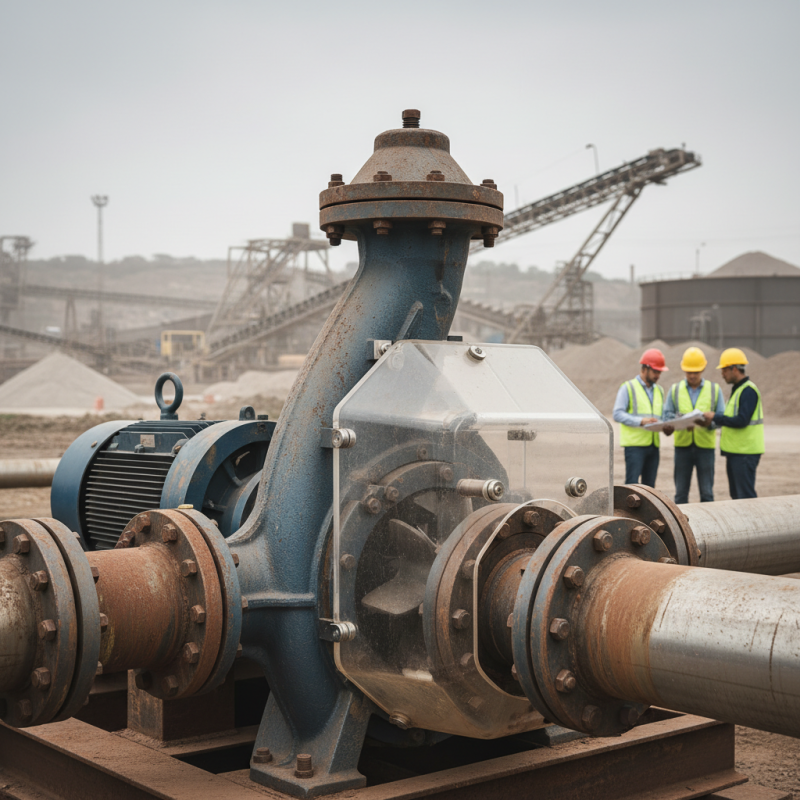
What is a Slurry Pump and Its Applications?
A slurry pump is a type of centrifugal pump designed for transporting slurries—mixtures of liquid and solid particles. These pumps are essential in many industries, including mining, construction, and wastewater management. They handle abrasive and corrosive materials, making them vital for efficient processing. According to a report by the Global Slurry Pump Market, the market is expected to grow significantly at a CAGR of 5.1% from 2021 to 2026, underscoring the pump's critical role in industrial applications.
Slurry pumps are used for tasks such as mineral processing, ore transport, and even sewage treatment. In mining, they help move ore slurry from one stage to another. This application requires pumps that can handle high densities and abrasive materials. A key statistic reveals that up to 50% of mining costs can be attributed to pumping systems. Therefore, selecting the right slurry pump can impact operational costs significantly.
When choosing a slurry pump, factors such as the type of slurry, flow rate, and pump material must be considered. Overlooked details can lead to costly damages and inefficient processes. For example, if a pump is not suited to the particle size of the slurry, it may lead to wear and tear. Many operators face challenges in accurately evaluating pump specifications. Understanding the specific needs and limitations of each application is crucial for effective selection.
Key Features to Look for in a Slurry Pump Manufacturer
When choosing a slurry pump manufacturer, experience plays a crucial role. Look for companies with a solid track record in producing reliable pumps. A manufacturer with years in the industry showcases their ability to meet various demands. Such experience often translates to better design and engineering capabilities. This expertise should reflect in the quality of products offered.
Another key feature is technical support. A good manufacturer provides comprehensive assistance, from selection to maintenance. They should offer clear documentation and training for users. Additionally, assess their warranty policies. Strong warranties indicate confidence in product durability. It’s a tangible sign that the manufacturer stands behind their products.
Consider the materials used in pump construction. High-quality materials ensure longevity in harsh environments. Manufacturers should prioritize corrosion resistance and durability. However, watch for potential over-promises in marketing. Sometimes, claims can be misleading. Understanding the materials used may require asking challenging questions. Engaging with potential manufacturers can reveal their true commitment to quality.
Factors Affecting the Quality of Slurry Pumps
When choosing a slurry pump manufacturer, several factors impact the quality of the pumps. The material choice is crucial. Pumps made from high-quality alloys resist wear and corrosion effectively. According to industry reports, 30% of pump failures occur due to material degradation. Therefore, ask about the material specifications before purchasing.
The design of the pump also affects performance. A well-designed pump ensures efficient flow while minimizing energy consumption. Poor design can lead to cavitation, which may damage the pump over time. Reports show that up to 20% of energy costs in a plant come from poorly designed pumps. Pay attention to the pump's hydraulic design when evaluating options.
Tips: Look for manufacturers with good customer reviews. Manufacturers with long-term experience offer reliability. Also, consider warranty options. A comprehensive warranty indicates the manufacturer's confidence in their product quality. This can help you avoid unnecessary risks in your investment.
Steps to Evaluate a Slurry Pump Manufacturer's Reputation
When selecting a slurry pump manufacturer, evaluating their reputation is crucial. Start by researching their industry experience. A manufacturer with several years in the field often indicates reliability. Check their portfolio to see the types of pumps they produce. Look for a diversity in application, which can showcase their adaptability.
Customer testimonials can provide insight into product performance. Consider seeking reviews from industry peers. This firsthand feedback can reveal strengths and weaknesses. Don’t shy away from reaching out to clients about their experiences. A strong reputation often correlates with consistent customer satisfaction.
Tips: Compare certifications and industry standards. A reputable manufacturer should hold relevant certifications that reflect quality assurance. Investigate their customer service approach. Are they accessible and responsive? Manufacturers who prioritize communication often provide better support. Always listen to your instincts when something feels off. Sometimes a little doubt can lead to better choices in the long run.
Comparing Different Slurry Pump Brands and Models
When comparing different slurry pump brands and models, several factors come into play. Each model varies in terms of construction materials, efficiency, and design features. Some pumps excel in abrasive environments, while others focus on corrosion resistance. It is crucial to analyze your specific needs before making a selection.
Performance specifications are paramount. Look into the pump's capacity, head, and power requirements. These metrics will help gauge how well the pump can handle your particular slurry type. Be cautious: assuming all models perform equally can lead to costly mistakes. Examine the manufacturer's testing data and user experiences for insights on long-term reliability.
Another important aspect is service and support. A good manufacturer will offer comprehensive assistance. Check if technical support is readily available. Look into warranty terms, too. An extended warranty can indicate confidence in the product. Many customers often overlook this detail, finding themselves with inadequate support when issues arise. Balancing efficiency, cost, and reliability is essential for a successful purchase.
 skip to Main Content
