What is a Pump Valve and How Does it Work?
Pump valves play a crucial role in various fluid systems. They control the flow and pressure of liquids, ensuring efficient operation. Understanding how these valves work can enhance system performance and reliability.
The design of pump valves varies across applications. Some are simple, while others include complex mechanisms. These valves can prevent backflow and manage flow rates. The effectiveness of a pump valve impacts the entire system. It is vital to select the right type for your needs.
In real-world scenarios, issues may arise with pump valves. They can become clogged or worn over time. Regular maintenance is necessary for optimal function. Evaluating a pump valve’s performance can lead to insights for improvement. Awareness of their importance helps in making informed decisions.
What is a Pump Valve?
A pump valve is a critical component in fluid dynamics, playing a vital role in controlling the flow of liquids in various systems. This valve regulates the liquid's pressure and flow rate, impacting efficiency and system performance. According to industry reports, valves account for approximately 15-20% of the total cost of fluid system components. This highlights their importance in not just functionality but also in system economics.
In many applications, pumps cannot function optimally without effective valves. These devices can prevent backflow, ensuring that fluids move in one direction. Data from a recent analysis indicates that poorly functioning valves can lead to a 10-30% increase in energy consumption. This poses a significant concern for industries relying heavily on pump systems, like oil and gas. Even minor wear or damage in valves can cause substantial losses.
The effectiveness of a pump valve depends on its design and materials. Some valves are prone to corrosion, especially in aggressive fluid environments. Regular maintenance is essential to ensure longevity and reliability. Yet, many operators overlook this crucial aspect, leading to unexpected failures. Understanding these limitations is essential for optimizing operations and maintaining system integrity in the long run.
Types of Pump Valves: A Comprehensive Overview
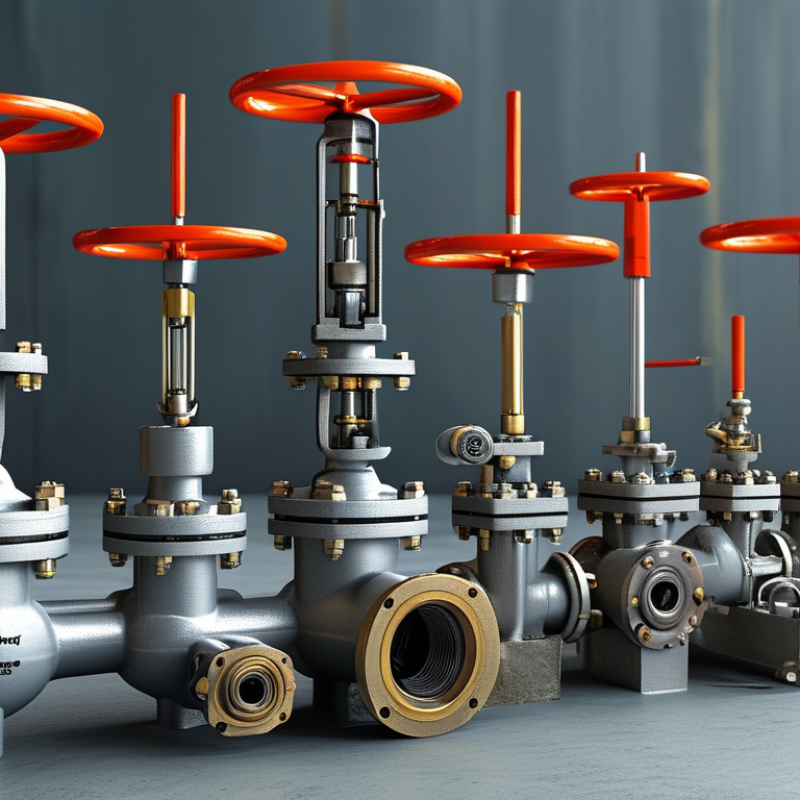
Pump valves play a crucial role in controlling fluid flow in various applications. Understanding the types of pump valves can enhance operational efficiency. There are three primary types: check valves, gate valves, and globe valves. Check valves allow fluid to flow in one direction, preventing backflow. They are essential in systems where reverse flow can cause damage or inefficiency.
Gate valves provide on/off control, making them suitable for applications requiring quick shut-off. They often have low pressure drops when fully open. According to industry reports, gate valves account for nearly 30% of global valve sales. Globe valves, on the other hand, are used for throttling flow. Their design allows for better regulation of flow rates but comes at the cost of higher pressure drop.
Incorporating these valves appropriately can significantly enhance system reliability. However, monitoring their performance is vital. Common issues can arise from wear and tear or improper installation. Regular inspection may prevent costly failures. Data from recent studies indicates that improper valve selection could lead to increased energy consumption by up to 20%. This highlights the importance of choosing the right type for specific applications.
How Pump Valves Operate: Mechanisms and Principles
Pump valves are crucial components in various fluid systems. They control the flow and ensure efficiency. Understanding their mechanisms can enhance performance and reliability.
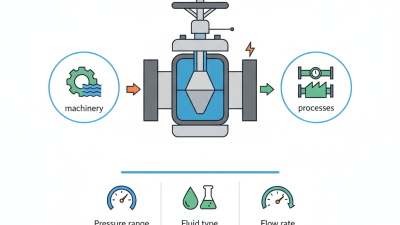
The operation of pump valves lies in several principles. Many use mechanical movements to open or close. Some are actuated by pressure changes, while others rely on electrical signals. This diversity allows flexibility in different applications. For instance, a diaphragm valve uses a membrane to modulate flow precisely. This is essential in processes needing controlled delivery.
In practice, some challenges arise. Valves can wear out over time, leading to leaks or reduced efficiency. Regular maintenance can help mitigate these issues. However, users often overlook this aspect. Awareness of valve conditions can significantly affect operational longevity. It's a reminder of the importance of attention to detail in daily operations.
What is a Pump Valve and How Does it Work? - How Pump Valves Operate: Mechanisms and Principles
| Dimension |
Description |
Function |
Common Types |
| Size |
Typically ranges from 1 to 12 inches in diameter. |
Regulates the flow rate of the fluid. |
Gate Valve, Globe Valve |
| Pressure Rating |
Ranges from 150 to 2500 PSI. |
Maintains constant pressure within the system. |
Check Valve, Pressure Relief Valve |
| Material |
Made from brass, stainless steel, or plastic. |
Provides durability and resistance to corrosion. |
Ball Valve, Diaphragm Valve |
| Operation Type |
Manual or automatic actuation. |
Enables operation based on system requirements. |
Electric Valve, Pneumatic Valve |
Applications of Pump Valves in Various Industries
Pump valves are crucial in various industries, controlling the flow and pressure of liquids. In the oil and gas sector, they ensure smooth operations. According to a 2022 report by the International Energy Agency, effective valve systems can reduce operational costs by up to 20%. This efficiency is vital in a field where every second counts.
Chemical manufacturing also heavily relies on pump valves. These valves manage the transport of corrosive substances safely. A study from the American Institute of Chemical Engineers indicates that improper valve management can lead to significant safety risks, affecting both workers and the environment. Industries are increasingly investing in smart valve technology to enhance reliability and performance.
In water treatment facilities, the use of pump valves is essential. They regulate water flow and maintain optimal pressure. The Water Environment Federation reported that automatic valve systems improve treatment efficiency by 25%. However, adapting to new technologies poses challenges. Many facilities struggle with outdated systems that can’t keep pace with modern demands. This highlights an ongoing need for upgrades and training in valve technology.
Maintenance and Troubleshooting of Pump Valves
Regular maintenance of pump valves is essential for reliable performance. Look for signs of wear, such as leaks or corrosion. Inspect seals and gaskets regularly. If you notice any deterioration, replace them promptly. Proper lubrication of moving parts can also help prevent failures. Ensure that you follow best practices for lubrication. Sometimes, over-lubrication can lead to complications.
When troubleshooting a pump valve, be observant. If the valve fails to open or close properly, check for debris. Blockages can hinder operations. Inadequate pressure could also signal issues within the valve. Listen for unusual noises; they can indicate mechanical problems. Don't underestimate the importance of cleanliness in your system. Maintaining a clean environment can reduce wear and tear.
If performance issues persist after basic checks, it might be time to consult a professional. They can inspect the valve more thoroughly. Understanding the specific type of valve involved is crucial. Different valves have unique characteristics and requirements. Documenting maintenance and operational history creates a valuable reference. It aids in future troubleshooting and can highlight recurring issues.
Performance Analysis of Different Types of Pump Valves
This chart illustrates the flow rate (in gallons per minute) of various types of pump valves under standard operating conditions. It helps in understanding which pump valve type is most efficient based on their performance data.
 skip to Main Content