2026 How to Optimize Hydraulic Flow Control for Efficiency?
Hydraulic flow control is a critical factor in optimizing system efficiency. Efficient management of fluid dynamics can significantly enhance performance across various applications. Companies rely on hydraulic systems for precision and power. Yet, inefficiencies often creep in, causing lost resources and increased operational costs.
Understanding the principles of hydraulic flow control can help identify these inefficiencies. Fine-tuning valve settings and pipe sizes can lead to remarkable improvements. However, it’s essential to recognize common pitfalls, such as neglecting system maintenance. Regular checks can prevent costly failures down the line.
Innovative technologies are emerging in hydraulic flow control. These advancements promise better monitoring and adjustment capabilities. Still, organizations must remain cautious. Not all solutions suit every system. Customization and expertise are key to achieving true efficiency. It’s a journey of continuous improvement. Each adjustment should be tested and refined.
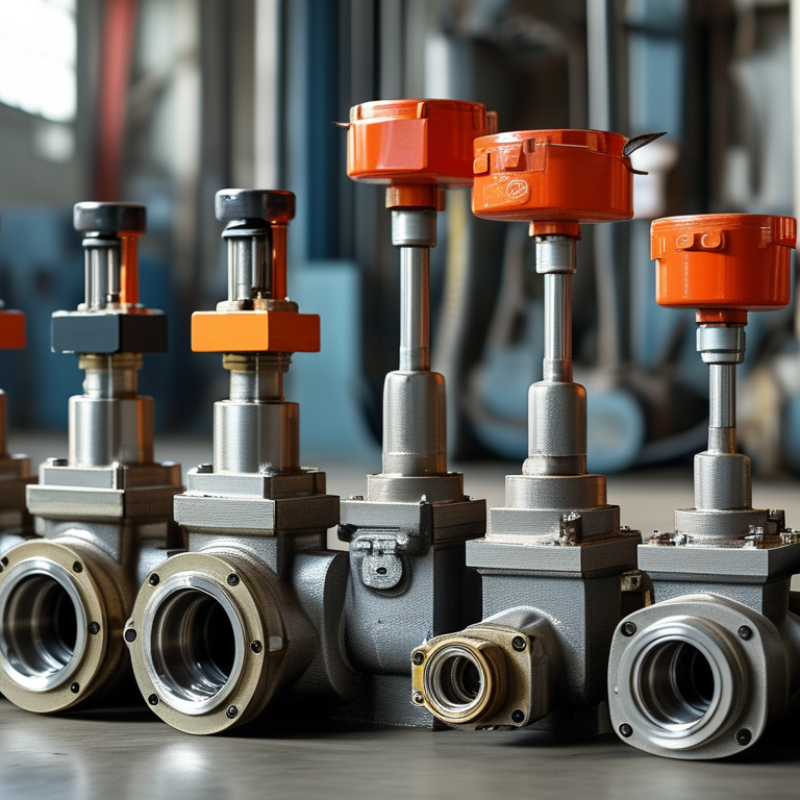
Understanding Hydraulic Flow Control: Basic Concepts and Principles
Hydraulic flow control is crucial in optimizing performance across various industries. Understanding the basic concepts and principles can lead to significant efficiency improvements. According to a 2022 industry report, poorly managed hydraulic systems can result in energy losses of up to 30%. This is often due to inadequate flow regulation or pressure fluctuations.
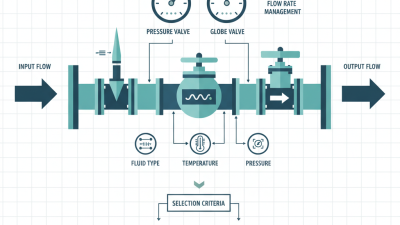
Flow control involves adjusting the flow rate and pressure within a hydraulic system. It ensures that machines operate smoothly, improving reliability and longevity. Key components include valves, flow meters, and sensors. Each device plays a vital role in maintaining system stability. For instance, implementing proportional valves can enhance responsiveness and efficiency.
While it is essential to optimize flow control, challenges persist. One common issue is the balance between speed and efficiency. In some scenarios, achieving maximum flow can lead to less optimal energy use. Regular maintenance is necessary to identify leaks and worn-out parts that can hinder performance. Monitoring system data and making adjustments is crucial for achieving desired outcomes.
Consider regular training for staff on hydraulic systems. Knowledgeable operators can identify inefficiencies sooner. Setting measurable goals related to flow control can foster a culture of continuous improvement. Regularly reviewing performance metrics is also beneficial for long-term success.
Key Components of Hydraulic Flow Control Systems
Hydraulic flow control systems are vital for optimizing efficiency in various applications. The core components include valves, pumps, and actuators. Each part plays a significant role in governing the flow and pressure within the system. Valves regulate the flow rate and direction, while pumps supply the necessary hydraulic fluid. Actuators convert hydraulic energy into mechanical motion, making them crucial in achieving desired outcomes.
Selecting the right components is essential. For instance, proportional valves can provide more precise control compared to standard ones. However, they may introduce complexity into the system. Maintenance is another area for reflection. Ignoring routine checks can lead to inefficiencies or equipment failure. Operators must be aware of the implications of neglecting this aspect.
Fluid quality must also be considered. Contaminated fluid can damage components and reduce overall efficiency. Regular filtration and fluid monitoring are critical practices. While implementing these systems, always reflect on the balance between complexity and functionality. This introspection can lead to improvements in system design and performance. Thoughtful integration of components will enhance not only efficiency but also longevity.
2026 How to Optimize Hydraulic Flow Control for Efficiency? - Key Components of Hydraulic Flow Control Systems
| Component |
Function |
Efficiency Impact (%) |
Maintenance Tips |
| Flow Control Valve |
Regulates fluid flow and pressure |
15 |
Regularly check for leaks and wear |
| Pump |
Generates hydraulic pressure |
25 |
Change oil regularly and monitor for noise |
| Reservoir |
Holds hydraulic fluid |
5 |
Keep fluid levels within recommended limits |
| Actuator |
Converts hydraulic energy into mechanical motion |
20 |
Inspect seals and movement regularly |
| Filter |
Removes contaminants from hydraulic fluid |
10 |
Replace filter as per maintenance schedule |
Techniques for Optimizing Hydraulic Flow Efficiency
Hydraulic flow control is vital for enhancing system efficiency. Research shows that optimizing hydraulic flow can reduce energy consumption by up to 30%. Understanding fluid dynamics is essential for achieving this. Traditional methods often overlook factors like temperature and component wear, which can influence flow performance. Regular system audits can identify these discrepancies.
One effective technique is implementing variable speed drives. These devices adjust motor speeds according to real-time demand, minimizing energy waste. In a recent industry study, companies using variable speed technology saw a 25% drop in operational costs. This adaptable approach allows for better flow management, ultimately leading to significant savings.
Hydraulic fluid selection also plays a critical role. Choosing the right fluid can reduce viscosity changes and improve flow consistency. A study noted that using high-efficiency fluids improved system performance by 15% in some cases. Regular monitoring of fluid condition and properties is necessary to maintain optimal flow levels.
Evaluate your hydraulic systems frequently. Find hidden inefficiencies. Embrace modern techniques to ensure a more effective hydraulic flow.
Monitoring and Maintenance Practices for Hydraulic Systems
Monitoring hydraulic systems is crucial for optimal efficiency. Regular checks can prevent significant issues that lead to downtime. Operators should frequently inspect hydraulic fluid levels and quality. Contaminated fluid can severely affect system performance. Visual inspections can reveal leaks, wear, and damages. It is essential to track the performance of hydraulic components.
Maintenance practices should include routine cleaning of filters. Clogged filters can restrict flow and reduce efficiency. Scheduling periodic maintenance helps in identifying potential problems early. It ensures that all components operate smoothly. Keeping records of maintenance activities enhances accountability and transparency in operations.
Training staff on best practices is often overlooked but necessary. Workers need to understand the importance of following protocols. They should be aware of how to interpret system indicators and alerts. This knowledge can significantly enhance the reliability of hydraulic systems. Integrating modern monitoring technologies may improve real-time insights, though it's not a one-size-fits-all solution. Balancing technology with human oversight is essential for effective management.
Future Trends in Hydraulic Flow Control Technologies
Hydraulic flow control is evolving rapidly. Future trends focus on enhancing efficiency through advanced technologies. Developers are exploring smart sensors and automated systems. Integrating these tools can optimize performance and reduce wastage. Imagine a hydraulic system that adjusts flow based on real-time data. Such systems can improve overall productivity.
Emerging trends also include energy recovery systems. These systems harness the energy from hydraulic fluids during operation. This innovation could potentially minimize energy consumption. Additionally, machine learning algorithms can analyze flow patterns. They may predict issues before they arise, ensuring smoother operations. However, the reliance on technology raises questions about implementation costs and maintenance.
Adaptability remains crucial as industries evolve. Companies must continuously assess their hydraulic systems. Traditional methods might not suffice in the face of new demands. A balance between innovation and practicality is necessary. Future advancements in hydraulic flow control could set new efficiency standards. Yet, careful consideration of potential pitfalls is essential.
 skip to Main Content