What is Fluid Power Hydraulics and How Does it Work?
Fluid power hydraulics is a vital field that drives many modern systems. According to Dr. John Smith, a leading expert in fluid power, "Hydraulics is more than just fluid under pressure; it's the backbone of industrial efficiency." This insight underscores the importance of understanding fluid power hydraulics.
Hydraulics operates by transmitting energy through liquid movement, creating mechanical power. Machines rely on this principle to perform tasks with precision. From construction equipment to manufacturing tools, fluid power hydraulics is everywhere. It's fascinating how hydraulic systems can lift heavy loads with ease, yet this technology often goes unnoticed.
However, it’s crucial to examine its limitations. Not all hydraulic systems are efficient, and leaks can lead to significant losses. Improvements are necessary to enhance reliability and performance. As Dr. Smith notes, recognizing these challenges is the first step to advancing fluid power hydraulics. Each system should be scrutinized for optimal design and functionality. Through continuous innovation, we can unlock the full potential of this dynamic field.
What is Fluid Power Hydraulics? An Overview of the Concept
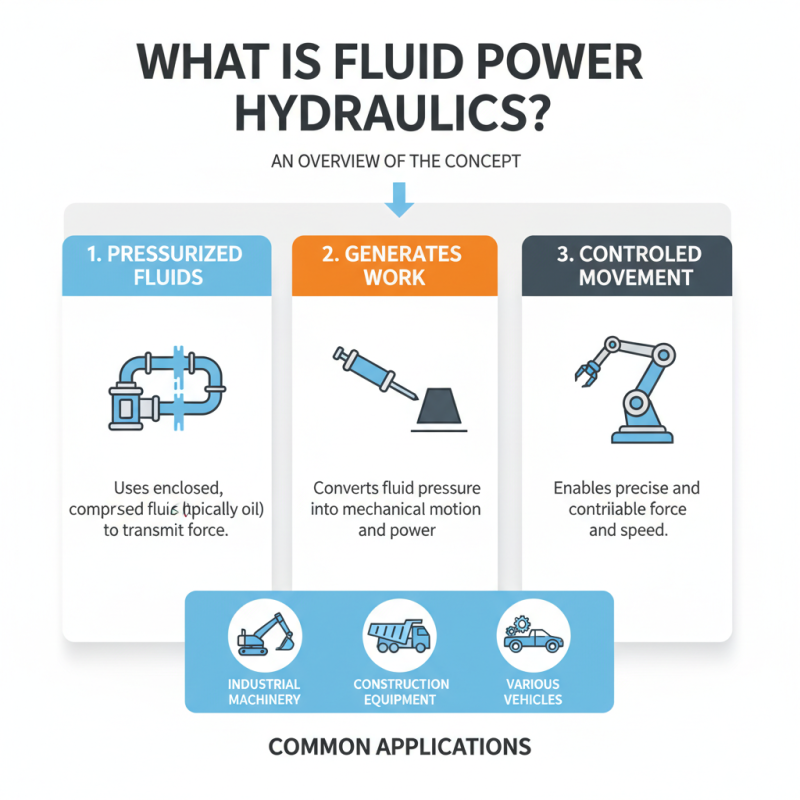
Fluid power hydraulics is a technology that uses pressurized fluids to perform work. It is commonly used in industrial machinery, construction equipment, and various vehicles. By creating controlled movements, hydraulics allows for precise control in many applications.
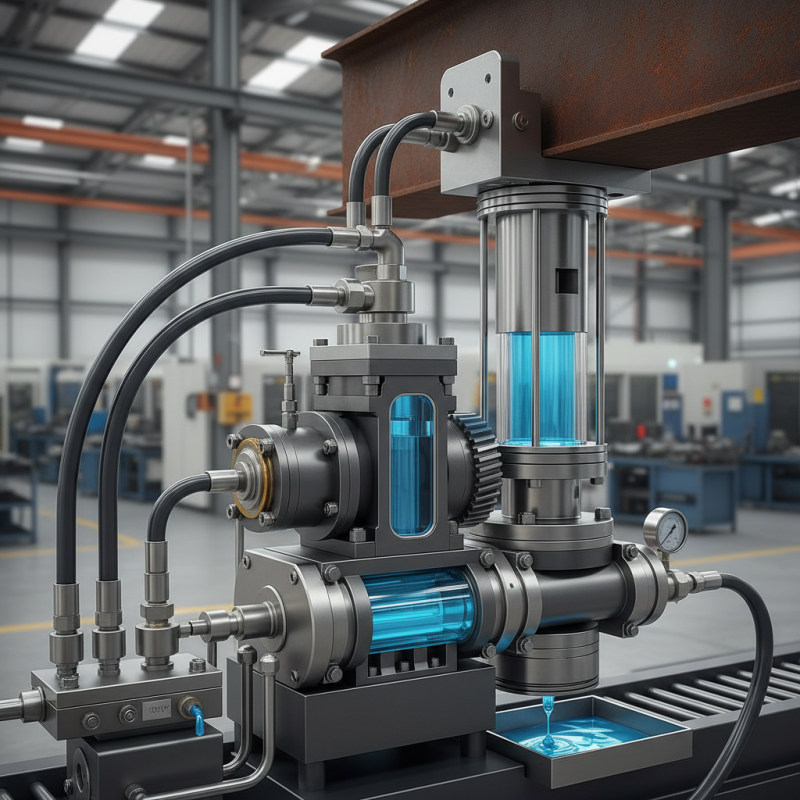
Understanding this concept starts with the basic component: the hydraulic cylinder. This cylinder is filled with fluid and connected to a pump. When the pump sends the fluid, it creates pressure. The pressure pushes the cylinder rod out, producing movement. It's fascinating how such a simple system can generate immense force.
Here’s a tip: regularly check for leaks in hydraulic systems. A small leak can lead to significant performance issues. Also, always maintain fluid cleanliness. Contaminated fluid can damage components.
Another tip: consider the size and type of hydraulic components carefully. An oversized part may lead to inefficiencies. Ensure the system is balanced for optimal work. It’s easy to overlook small details, but they can have a big impact.
The Fundamental Principles of Fluid Power in Hydraulic Systems
Fluid power hydraulics is a technology that uses liquids to transmit power. It relies on the principles of physics, particularly Pascal's Law. This law states that when pressure is applied to a fluid in a closed system, it is transmitted equally in all directions. This principle allows hydraulic systems to lift heavy loads with minimal effort.
In practical applications, hydraulic systems contain essential components like pumps, valves, and cylinders. The pump generates fluid flow, which creates pressure. Valves control this flow, directing it to machinery or equipment as needed. When the fluid enters a cylinder, it pushes a piston, resulting in linear motion. This mechanism is both powerful and efficient, making it ideal for construction machinery, aircraft, and manufacturing equipment.
However, hydraulic systems are not without challenges. Fluid leaks can lead to inefficiency and environmental damage. Maintenance is crucial to ensure optimal performance. Over-reliance on hydraulic systems sometimes leads to a lack of understanding of alternative technologies. Not every application requires hydraulics. Exploring other options could enhance flexibility in design and function. This reflection on the use of hydraulics is essential for growth and innovation in technology.
Fluid Power Hydraulics: Key Components and Their Efficiency
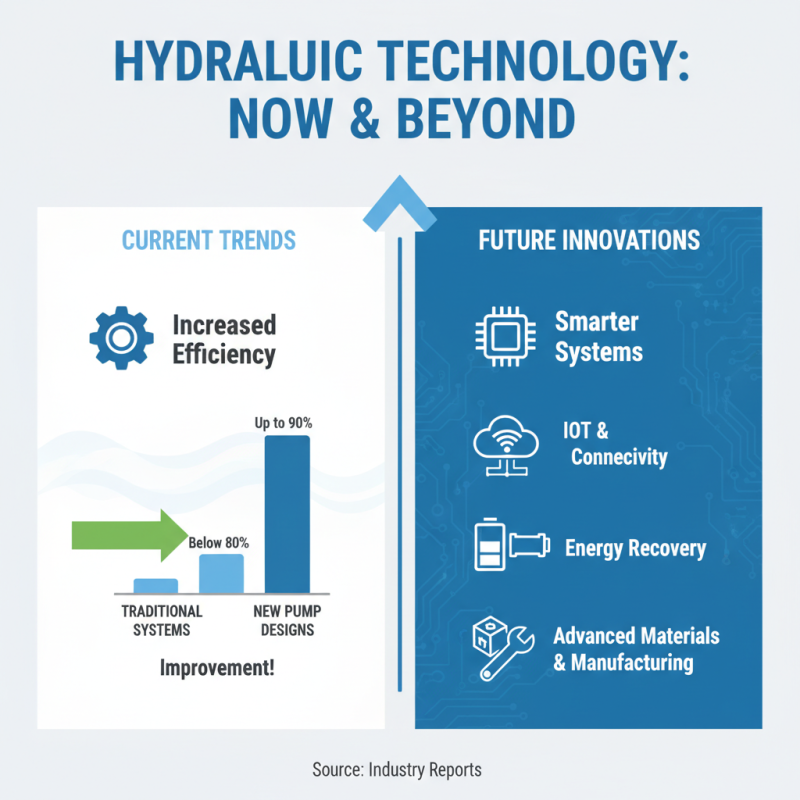
This bar chart represents the efficiency rate of various key components used in hydraulic systems, demonstrating how each component contributes to the overall performance of fluid power hydraulics.
Components of Hydraulic Systems: Pumps, Actuators, and Control Valves
Hydraulic systems are fascinating and complex. They rely on fluid power to operate effectively. Three main components make up these systems: pumps, actuators, and control valves. Each plays a crucial role.
Pumps drive the hydraulic fluid through the system. They convert mechanical energy into hydraulic energy. This process is not always efficient. Leaks in the system can waste energy and affect performance. Regular checks can help identify issues early.
Actuators convert hydraulic energy back into mechanical energy. They move machinery parts or other systems. Precision is necessary here. If an actuator is misaligned, it can create unnecessary wear. Consider adjusting the actuator's position to improve efficiency.
Control valves manage fluid flow throughout the system. They dictate when and how much fluid passes through. Sometimes, these valves malfunction. It may lead to unexpected system behavior. Keeping them clean and free from debris is vital.
Tips: Monitor fluid levels regularly. Low levels can lead to pump damage. Also, document any irregularities you notice. This information can assist in troubleshooting future issues.
Significance of Fluid Power Hydraulics in Industrial Applications
Fluid power hydraulics plays a crucial role in various industrial applications. This technology involves the use of pressurized liquids to transmit energy. It is effective for powering machines, lifting heavy objects, and controlling movements. Many industries rely on hydraulics for efficiency and precision.
One significant application is in construction. Hydraulic systems power excavators, cranes, and other heavy equipment. These machines can move large loads with ease, thanks to hydraulic force. However, improper maintenance can lead to leaks or system failures. Regular checks are vital to ensure smooth operation.
Tips: Keep hydraulic fluids clean. Contaminated fluids can cause damage. Monitor pressure levels frequently. This helps to avoid unexpected breakdowns.
Another important area is manufacturing. Hydraulic systems control automated processes in factories. These systems can enhance productivity and improve quality. Yet, using complex hydraulic circuits can be challenging. Operators need proper training to manage them effectively.
Tips: Regular training sessions for staff are essential. This can reduce mistakes and improve safety. Also, always document maintenance activities for better oversight.
 skip to Main Content