Top Fluid Control Solutions for Global Buyers in China?
In the dynamic landscape of fluid control, global buyers are increasingly looking to China for innovative solutions. Renowned expert Dr. Kevin Liang, a leader in fluid dynamics, emphasizes, “The future of fluid control lies in adaptability and technology.” This insight reflects the evolving needs of industries reliant on precision fluid management.
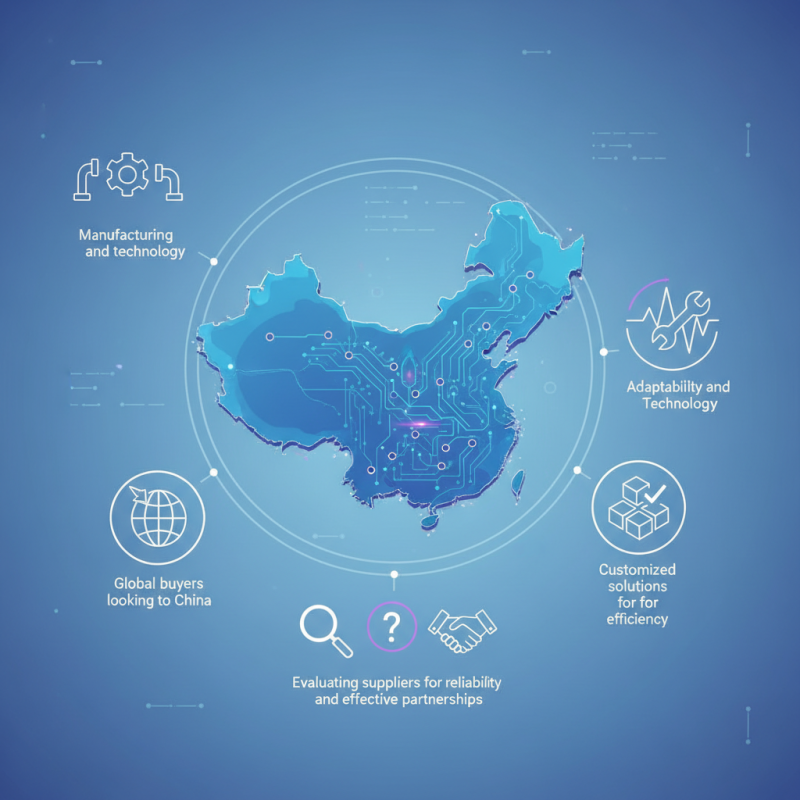
China has become a pivotal player in the fluid control market. Major advancements in manufacturing and technology position it at the forefront of global supply chains. Many companies are now seeking customized solutions that enhance efficiency and reduce operational costs. However, navigating this competitive landscape can be challenging for international buyers.
While China offers numerous options, not every product guarantees reliability. It's crucial to evaluate suppliers thoroughly. Many buyers have encountered issues with quality and support. Understanding these subtleties can lead to better decisions and more effective partnerships in the world of fluid control.
Overview of Fluid Control Solutions Available in China
China's fluid control solutions market offers a vast array of options. From pumps to valves, manufacturers cater to various industries. The technology behind these products is rapidly evolving. Automation and smart systems are becoming staples in fluid management. This shift enhances efficiency and reduces human error.
Local companies often prioritize affordability. Yet, the challenge remains in maintaining quality. Many products meet basic standards, while others excel in performance. Buyers must research thoroughly before making decisions. Understanding specifications and applications is crucial. Custom solutions are available but may require longer lead times.
It’s important to consider both immediate needs and future upgrades. Some solutions may look appealing initially but lack scalability. Investing in high-quality systems could pay off in the long run. Potential buyers should weigh the benefits against the possible drawbacks carefully. Selecting the right fluid control solution demands attention to detail and a good grasp of market dynamics.
Top Fluid Control Solutions for Global Buyers in China
| Solution Type |
Description |
Applications |
Key Features |
Market Demand |
| Electromagnetic Flow Meters |
Devices for measuring flow rate of conductive fluids. |
Water Treatment, Oil & Gas |
High accuracy, no moving parts, durable. |
High |
| Ball Valves |
Valves that use a spherical disc to stop or start flow. |
Pipelines, HVAC systems |
Quick operation, good sealing, low pressure drops. |
Medium |
| Diaphragm Pumps |
Positive displacement pumps that use a diaphragm to move fluids. |
Chemical Processing, Wastewater Treatment |
Self-priming, suitable for viscous fluids. |
High |
| Control Valves |
Valves that regulate fluid flow by responding to a control signal. |
Manufacturing, Power Generation |
Precise flow control, automated operation. |
High |
| pumps |
Used for transferring or circulating fluids. |
Food & Beverage, Pharmaceutical |
Hygienic design, versatile application. |
Medium |
Key Players in the Chinese Fluid Control Market
The Chinese fluid control market is rapidly expanding. With significant growth in manufacturing and infrastructure, key players are emerging. These companies cater to various sectors, including oil and gas, water treatment, and food processing.
Local manufacturers often focus on adapting technology for regional needs. They develop cost-effective solutions that meet specific demands. Some struggle with maintaining consistent quality, which can affect reliability. Others may face challenges in keeping up with international standards while innovating.
Additionally, foreign companies are finding opportunities as they collaborate with local firms. These partnerships allow for knowledge exchange and enhanced product offerings. However, navigating regulatory requirements can be complex. Fluid control remains a vital industry, shaping how resources are managed in China.
Innovative Technologies in Fluid Control Systems
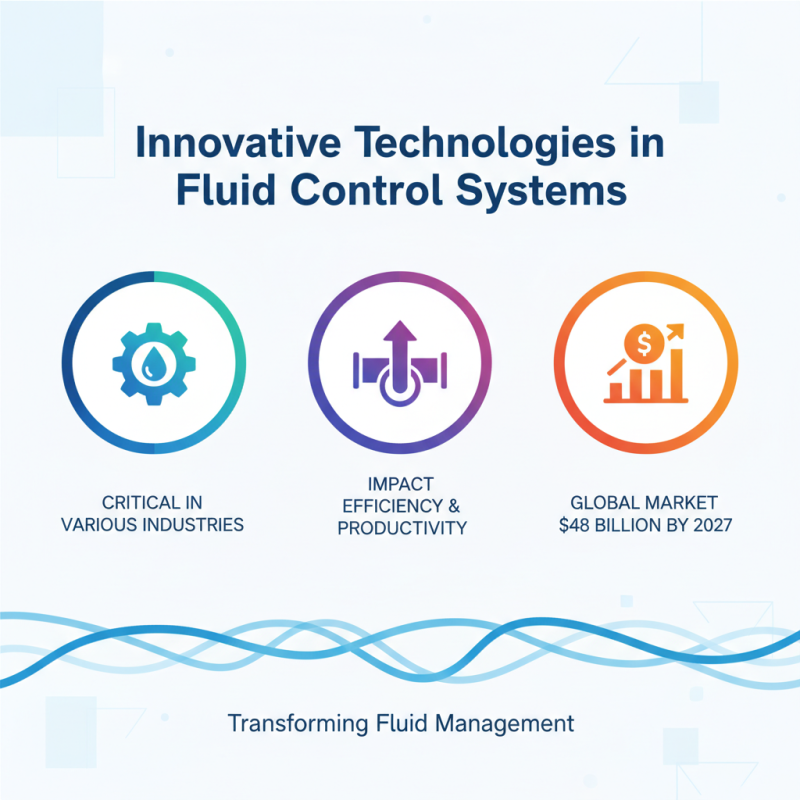
Fluid control systems are critical in various industries, significantly impacting efficiency and productivity. Innovative technologies in these systems are transforming how fluids are managed. According to a recent market report, the global fluid control market is projected to reach $48 billion by 2027. This growth underscores the demand for advanced solutions in fluid handling.
One major trend is automation in fluid control systems. Automated valves and sensors enable precise measurements and adjustments. These technologies reduce human error and enhance operational safety. A study indicates that automated systems can improve efficiency by up to 30%. This is especially crucial in industries like oil and gas, where even minor inaccuracies can lead to significant losses.
Energy efficiency is another focal point. Advanced fluid control solutions now incorporate smart technologies to optimize energy usage. For example, variable frequency drives (VFDs) are now standard in many applications, adjusting motor speed based on real-time demand. Reports suggest that VFDs can lower energy consumption by as much as 40%. However, not all companies have adopted these innovations, highlighting a gap that must be addressed for overall market improvement.
Factors Influencing Global Buyers’ Choices in China
In China, global buyers are drawn to fluid control solutions for several reasons. One major factor is the evolving landscape of industry standards.
Buyers often seek suppliers who can meet international regulations while offering innovative products.
This balance of compliance and innovation is vital for successful partnerships.
When considering suppliers, buyers should evaluate the reliability of the manufacturing processes.
Quality assurance practices and certifications play a significant role.
Buyers often rely on third-party audits to ensure that suppliers adhere to high standards.
The transparency of operations enhances trust and fosters strong business ties.
Tips:
Always conduct thorough research on potential suppliers.
Engage with industry experts for insights.
Joining forums or online groups can provide valuable information.
Prioritize communication with suppliers, as this lays the groundwork for understanding and collaboration.
Don’t hesitate to ask about specific processes or past project experiences.
Regulatory and Compliance Considerations for Fluid Control Solutions
In the fluid control sector, regulatory compliance is paramount. Buyers in China must navigate various standards, such as GB standards and international guidelines. As the market grows, regulations evolve. In 2022, nearly 70% of manufacturers faced compliance challenges, according to industry reports. Understanding these regulations is crucial for maintaining competitiveness.
Furthermore, environmental regulations have tightened significantly. The Chinese government emphasizes eco-friendly practices. Reports indicate a projected 15% increase in regulatory costs by 2025 for non-compliant companies. These expenses highlight the importance of adhering to environmental laws and standards. Buyers should prioritize products that align with these regulations.
Non-compliance can lead to significant penalties. Moreover, companies may risk their reputations. In some sectors, penalties can reach up to 5% of annual revenue. The consequences of overlooking compliance are severe. Industry experts suggest regular audits and staff training to mitigate these risks. Staying informed on evolving regulations is not just beneficial; it is essential for long-term success in fluid control solutions.
Top Fluid Control Solutions for Global Buyers in China
 skip to Main Content