What is an Electric Valve? Understanding Types, Applications, and Benefits
Electric valves play a pivotal role in modern industrial automation, providing precise control over fluid flow in various applications. According to a report by MarketsandMarkets, the global electric valve market is projected to reach USD 5.2 billion by 2025, growing at a CAGR of 6.2% from 2020 to 2025. This growth is driven by increasing demand for automation across sectors such as oil and gas, water treatment, and chemical processing, where electric valves ensure efficiency, reliability, and safety.
Understanding the various types of electric valves and their applications is crucial for industries aiming to optimize their operations. Electric valves, which include solenoid valves and motor-operated valves, offer distinct advantages such as reduced maintenance costs and enhanced operational flexibility. As the industry shifts towards smart technologies, the integration of electric valves with IoT solutions further enhances their functionality, enabling real-time monitoring and remote control capabilities. This article delves into the different types of electric valves, their applications, and the benefits they bring to industrial processes.
Understanding the Basics of Electric Valves: Definition and Functionality
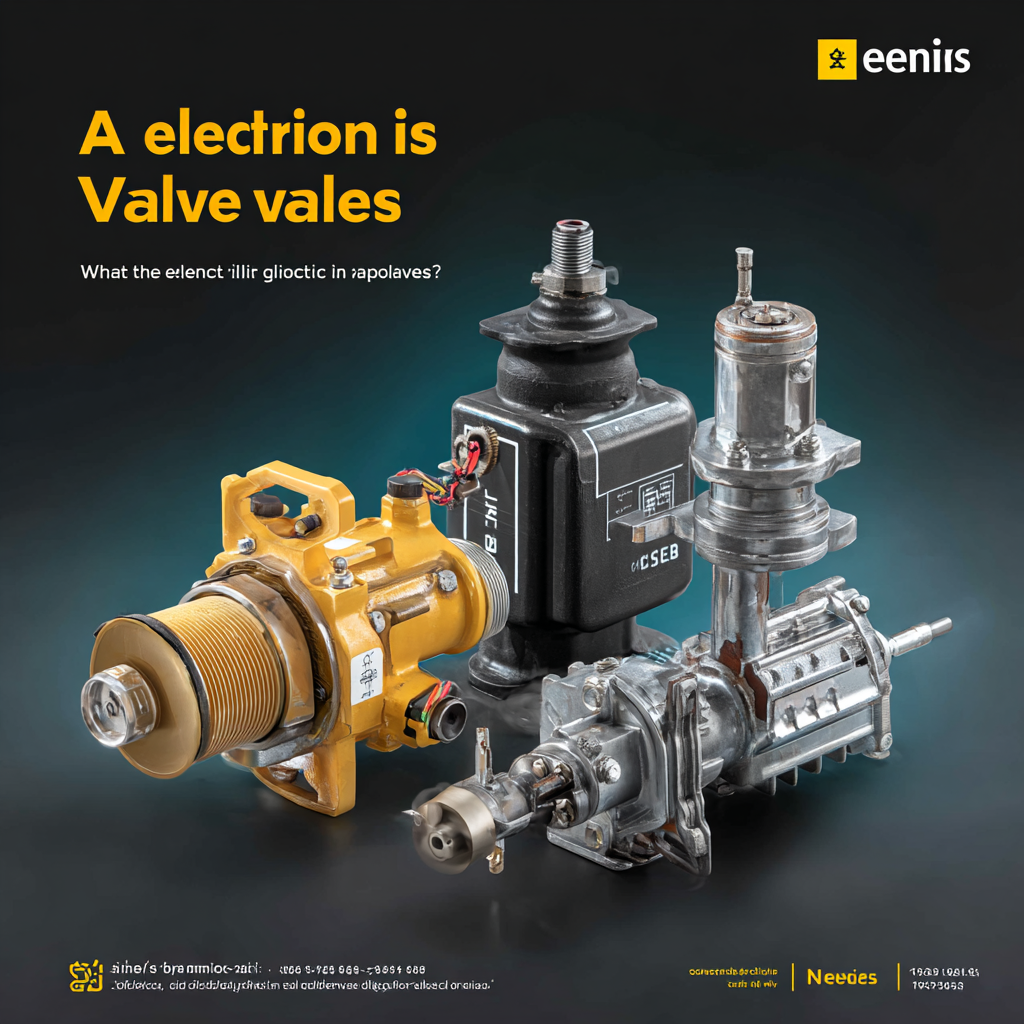
Electric valves are automated devices that control the flow of fluids in various systems. Their primary function is to regulate the movement of liquids and gases in pipelines by opening, closing, or adjusting the flow. Operated through electric signals, these valves offer precision and efficiency, making them essential in numerous applications, from industrial systems to household plumbing. The integration of electric mechanisms allows for real-time adjustments and remote operation, enhancing both control and safety.
Understanding the basic components of electric valves is crucial. At their core, they consist of an actuator, a valve body, and the necessary electrical components for operation. The actuator is responsible for the movement of the valve, converting electrical energy into mechanical action. This streamlined functionality results in quicker response times compared to traditional manual valves. Moreover, electric valves can significantly reduce the risk of human error and minimize the need for physical intervention, leading to improved operational efficiency and safety in diverse environments.
Exploring Different Types of Electric Valves: A Comprehensive Guide
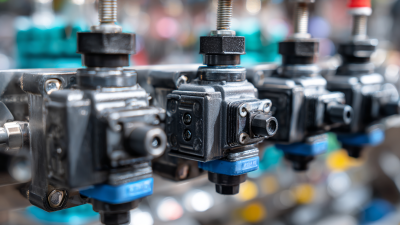
Electric valves have revolutionized fluid control across various industries. Understanding the different types of electric valves is essential for engineers and technicians who seek to optimize their systems. Common types include solenoid valves, which operate through electromagnetic coils, and motorized valves, which use electric actuators for precise control. Each type serves specific functions, improving efficiency and reliability in processes ranging from water management to HVAC systems.
The applications of electric valves are diverse, encompassing sectors such as manufacturing, irrigation, and even disaster relief efforts. For instance, during emergency situations, innovative containerized solutions are increasingly used to provide rapid and effective responses. These electric valves play a crucial role in the automated systems that manage essential services, helping to ensure safe and efficient operations. As technology advances, the integration of electric valves in new container solutions showcases their growing importance in modern infrastructure and environmental management.
Electric Valve Types and Applications
This bar chart illustrates the percentage of applications for different types of electric valves commonly used in various industries. Understanding the distribution can help in selecting the right type of valve for specific needs.
Applications of Electric Valves Across Various Industries
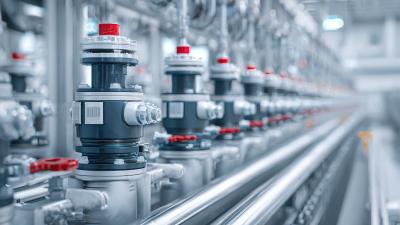
Electric valves play a crucial role in various industries by providing precise control over fluid flow. Their ability to operate remotely and automate processes makes them essential in sectors such as oil and gas, water treatment, and food and beverage. In the oil and gas industry, electric valves are widely used for managing the flow of crude oil and natural gas, ensuring safety and efficiency in operations. Automated control in these applications helps in reducing the risk of spills and optimizing production rates.
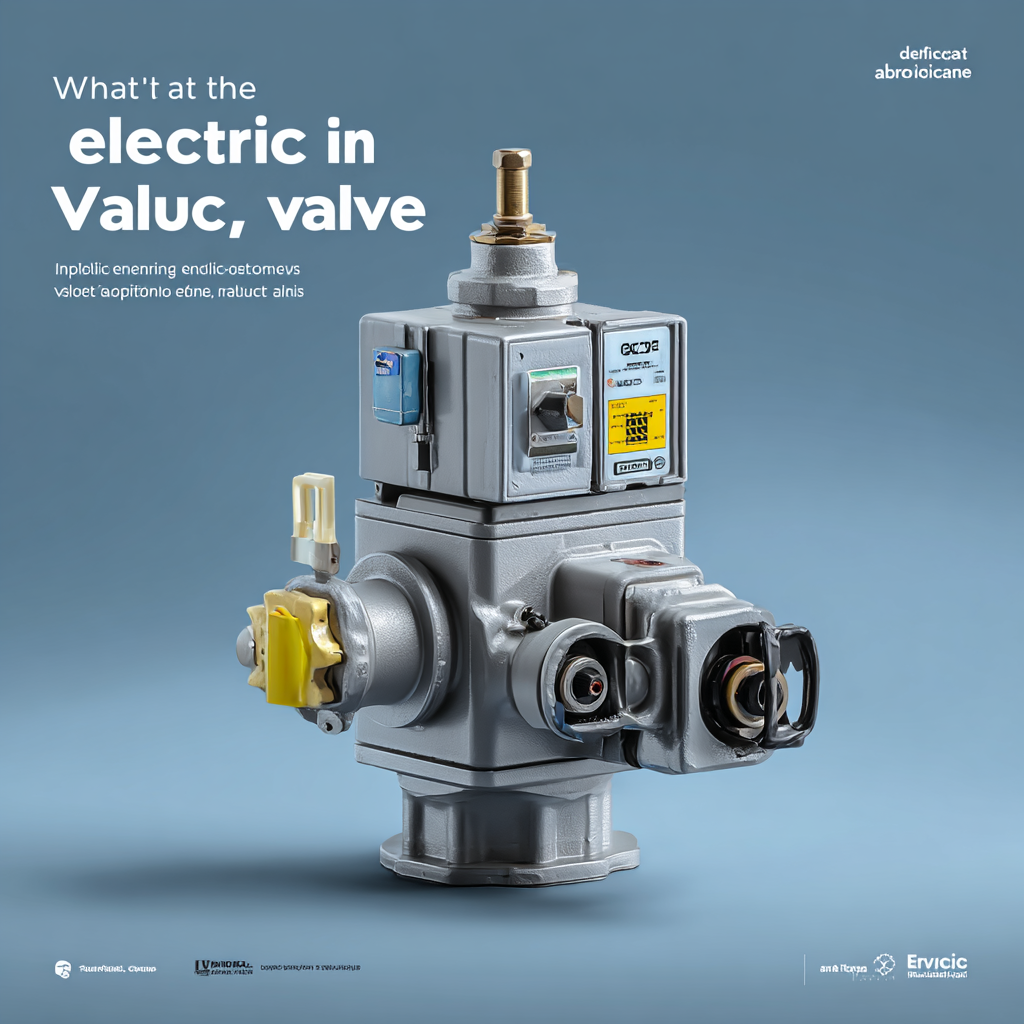
In water treatment facilities, electric valves facilitate the regulation of water flow during purification processes. They enable consistent monitoring and adjustments to ensure the quality of water meets safety standards. Similarly, in the food and beverage sector, electric valves ensure that liquids and gases are accurately measured and controlled during production, helping to maintain hygiene and compliance with regulations. The versatility and reliability of electric valves across these industries highlight their importance in modern automated systems, enhancing productivity and operational safety.
Benefits of Using Electric Valves: Efficiency and Control
Electric valves are increasingly gaining popularity across various industries due to their efficiency and enhanced control features. Unlike traditional valves, which may require manual operation or pneumatic systems, electric valves operate through an electric actuator that allows for precise control of fluid flow. This automation not only speeds up processes but also reduces human error, making operations smoother and more reliable.
One of the key benefits of using electric valves is their ability to provide real-time monitoring and adjustments. This capability is essential in applications where maintaining the correct flow rate is crucial. For example, in automated manufacturing processes, electric valves can instantly respond to changes in demand, ensuring resource optimization.
Tips: When selecting an electric valve, consider the compatibility with your existing system and the specific requirements of your application. It's also beneficial to evaluate energy consumption, as some electric valves offer energy-efficient options that contribute to cost savings in the long run. Regular maintenance and checks can further enhance the longevity and performance of these valves, ensuring that they function efficiently over time.
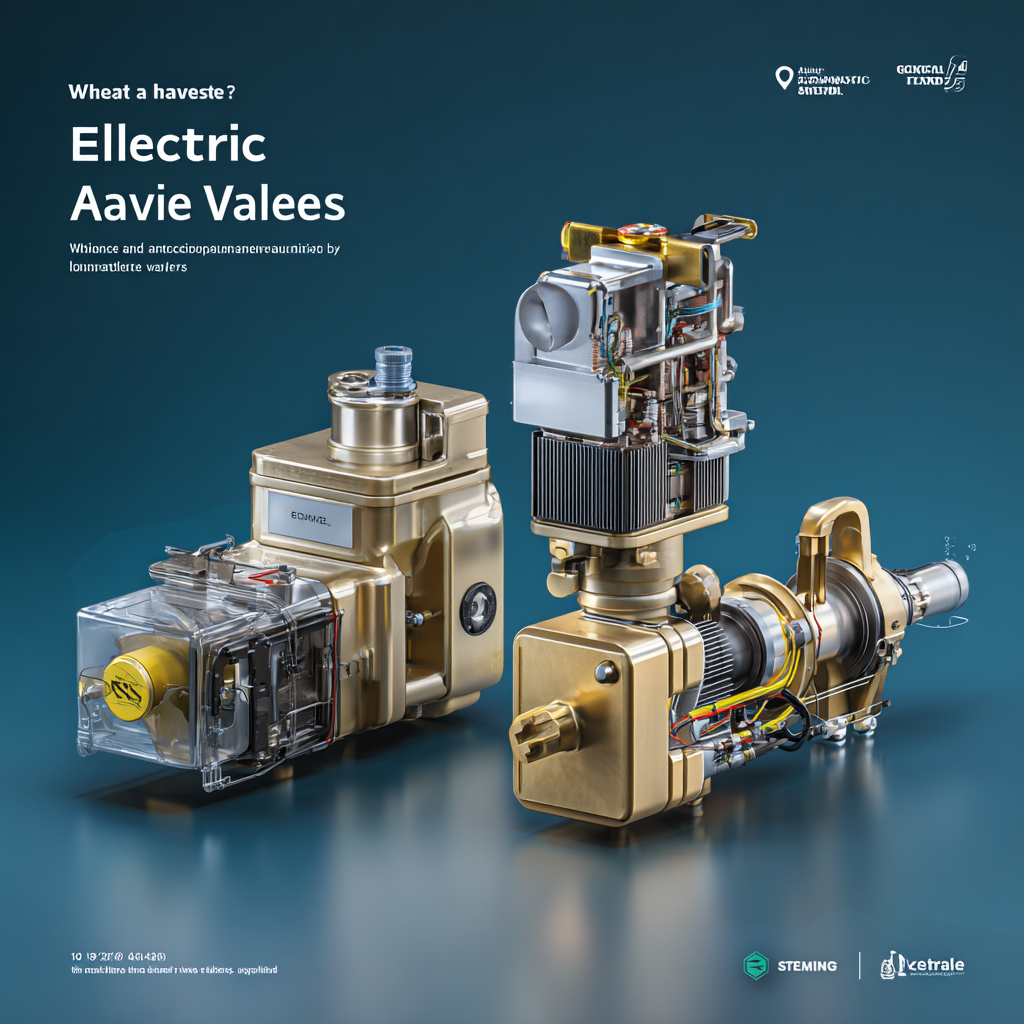
Key Considerations When Choosing an Electric Valve for Your System
When selecting an electric valve for your system, several key considerations must be taken into account to ensure optimal performance and efficiency. Firstly, the type of media being controlled is critical. Electric valves are commonly used in various applications involving gaseous, liquid, or corrosive substances. According to industry reports, the market for specialty valves, including those for acidic gases, is projected to be valued at $98.3 million in 2024, with expectations to reach $147 million by 2032, growing at a rate of 5.1%. This significant growth highlights the increasing demand for reliable electric valves that can handle tough environmental conditions.
Another crucial factor is the valve's compatibility with your existing system. It's essential to consider aspects such as power supply requirements, control signal types, and physical dimensions. The integration of smart technology is also becoming a priority, as more facilities seek valves that can provide real-time data and remote monitoring capabilities. Evaluating these considerations not only helps in selecting the right electric valve but also optimizes the overall efficiency and safety of your system.
What is an Electric Valve? Understanding Types, Applications, and Benefits
| Type of Electric Valve |
Applications |
Benefits |
Key Considerations |
| Ball Valve |
Water supply, gas distribution |
Low pressure drop, quick operation |
Size and pressure ratings |
| Butterfly Valve |
HVAC systems, water treatment |
Compact size, lightweight |
End connections and size compatibility |
| Gate Valve |
Oil and gas pipelines |
Minimal flow restriction, full flow capability |
Operating pressure and temperature limits |
| Solenoid Valve |
Automated irrigation, pneumatic systems |
Fast operation, precise control |
Voltage and power rating |
| Pressure Relief Valve |
Safety systems, boiler applications |
Prevents overpressure, enhances safety |
Pressure settings and compliance standards |
 skip to Main Content