How to Choose the Right Hydraulic Control Valves for Your Needs?
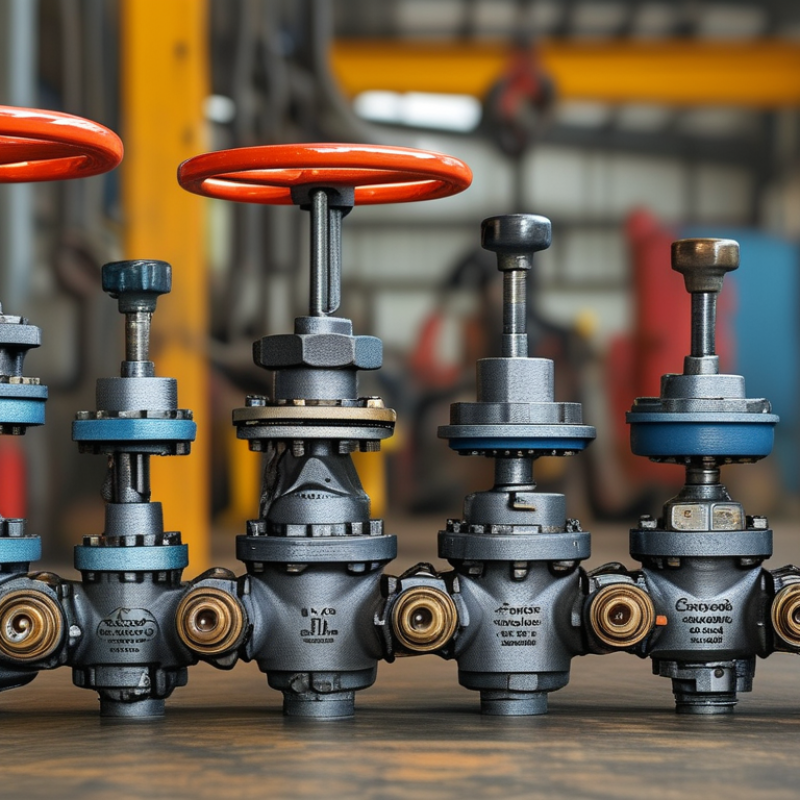
Choosing the right hydraulic control valves can significantly impact your operations. Eric Johnson, a renowned expert in hydraulic systems, once stated, "Selecting the right valves is crucial for efficiency." This underscores the importance of understanding your specific needs.
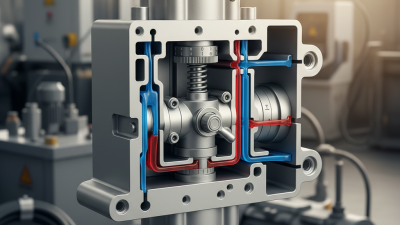
Hydraulic control valves manage fluid flow and pressure in hydraulic systems. They come in various types, each suited for different applications. It is essential to evaluate factors like flow rate, pressure range, and media compatibility. Overlooking any of these may lead to inefficiencies or system failures.
As you navigate your options, remember that not all valves are created equal. Practical experience is necessary for making informed decisions. Testing different models in real-world situations can reveal unexpected challenges. Take the time to reflect on your choices, as each decision shapes your system's performance.
Understanding Hydraulic Control Valves and Their Functionality
Hydraulic control valves are critical components in various industrial applications. They manage fluid flow and pressure, ensuring system efficiency. Understanding their functionality helps users select the right type for their needs. According to industry reports, the global hydraulic valve market is projected to grow at a CAGR of 5.5% from 2021 to 2026. This growth indicates an increasing reliance on hydraulic systems across sectors.
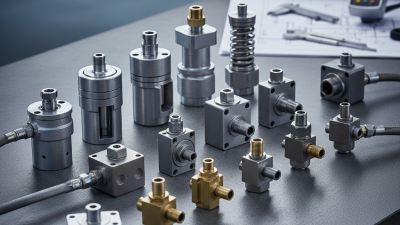
The main types of hydraulic control valves include directional, pressure, and flow control valves. Directional valves control the path of fluid, while pressure valves maintain system pressure. Flow control valves manage fluid speed. Choosing the right type depends on system requirements. Inconsistent flow rates can lead to equipment malfunction. This aspect requires careful consideration during selection.
Tips for selecting hydraulic valves: Always assess the flow rate and pressure specifications. Ensure the valve's materials are compatible with the fluid being used. It is also wise to consult with professionals to avoid costly mistakes. Remember, the wrong choice can lead to inefficiencies or even system failures. Research and due diligence are crucial when investing in hydraulic technology.
Hydraulic Control Valves Performance Comparison
This chart compares the performance metrics of three different hydraulic control valves based on key parameters such as Flow Rate, Pressure Drop, Response Time, and Temperature Resistance. Selecting the appropriate hydraulic control valve requires understanding these specifications to match your specific application requirements.
Types of Hydraulic Control Valves and Their Applications
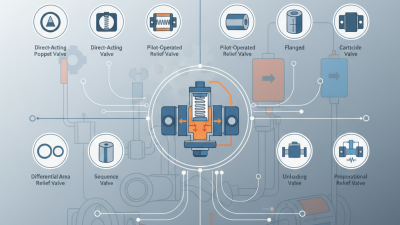
When selecting hydraulic control valves, understanding the various types and their applications is essential. Two primary categories include directional valves and pressure control valves. Directional valves control fluid flow paths and are crucial in systems requiring precise movements. For example, spool valves, a type of directional valve, are widely used in mobile machinery and industrial automation.
Pressure control valves maintain system pressure by preventing overloads. They come in types like relief valves and sequence valves, each serving distinct operational needs. According to a recent industry report, the demand for pressure control valves is anticipated to grow steadily, driven by advancements in automation technologies.
Tip: Consider the specific application and environmental conditions when choosing a valve type. Each application might require different specifications.
Proportional valves are another noteworthy option. They offer variable control, enhancing the efficiency of hydraulic systems. Yet, their complexity can lead to challenges in maintenance and calibration. Understanding the trade-offs between precision and ease of use is essential when selecting valves for sensitive operations.
Tip: Always consult technical specifications. Look for valves that meet your requirements and consider their ease of installation.
Key Factors to Consider When Selecting Hydraulic Control Valves
When selecting hydraulic control valves, several key factors should guide your decision. The most critical is the valve type, including directional control, pressure control, and flow control valves. Each type serves distinct functions in hydraulic systems. According to recent industry reports, over 70% of hydraulic system failures stem from inappropriate valve selection. Choosing the correct type can enhance system efficiency and prolong equipment life.
Another vital consideration is flow rate and pressure rating. Understanding the specific needs of your hydraulic system is essential. For instance, a valve with a lower pressure rating may not withstand the requirements of high-pressure operations. Industry data indicates that using valves beyond their rated capacity can lead to failures in over 50% of cases, underscoring the importance of careful evaluation.
Tips: Always consult technical specifications and consider consulting with a hydraulic expert. Evaluate compatibility with existing equipment. Keeping records of past performance can also inform future selections. Remember, slight oversights can become costly, leading to downtime and repairs.
Evaluating Size and Compatibility for Hydraulic System Integration
Choosing the right hydraulic control valves involves careful consideration of size and compatibility. A hydraulic system must operate efficiently, which depends on selecting valves that fit seamlessly within the existing framework. If the size is off, the entire system could face significant pressure losses or inefficiencies.
It's essential to measure the available space before making a decision. If the valve is too large or small, installation challenges may arise. They can create leaks or hinder flow rates. Compatibility with existing components matters too. Different materials and designs can affect performance and reliability.
Consider the actual operating conditions. High temperatures and pressures can influence valve selection. The material must withstand these aspects without compromising safety. Reflect on past experiences with similar systems. Did any size mismatches or compatibility issues occur? Such reflections can guide future choices and avoid repeating mistakes.
Maintaining and Troubleshooting Hydraulic Control Valves for Longevity
Maintaining hydraulic control valves is essential for longevity and efficiency. Regular inspection can prevent costly failures. A recent study noted that about 30% of hydraulic system failures are due to valve issues. Simple maintenance practices can significantly extend lifespan. Proper lubrication reduces wear and tear, while keeping components clean enhances performance.
Tips for maintenance: Check fluid levels regularly. Contaminants can wreak havoc on your valves. A dirty system increases the chance of malfunction. Monitor for leaks or unusual noises. These signs may indicate wear. Addressing them promptly prevents bigger headaches later.
Troubleshooting issues is also vital. If valves aren't responding, check for obstructions. Blockages can impede flow and damage components. Remember, proper installation of valves is equally important. Misalignment can lead to early failure. It’s critical to follow manufacturer specifications to avoid mishaps.
Regular training for operators enhances their ability to identify issues quickly. Such proactivity is key to a well-functioning hydraulic system.
 skip to Main Content