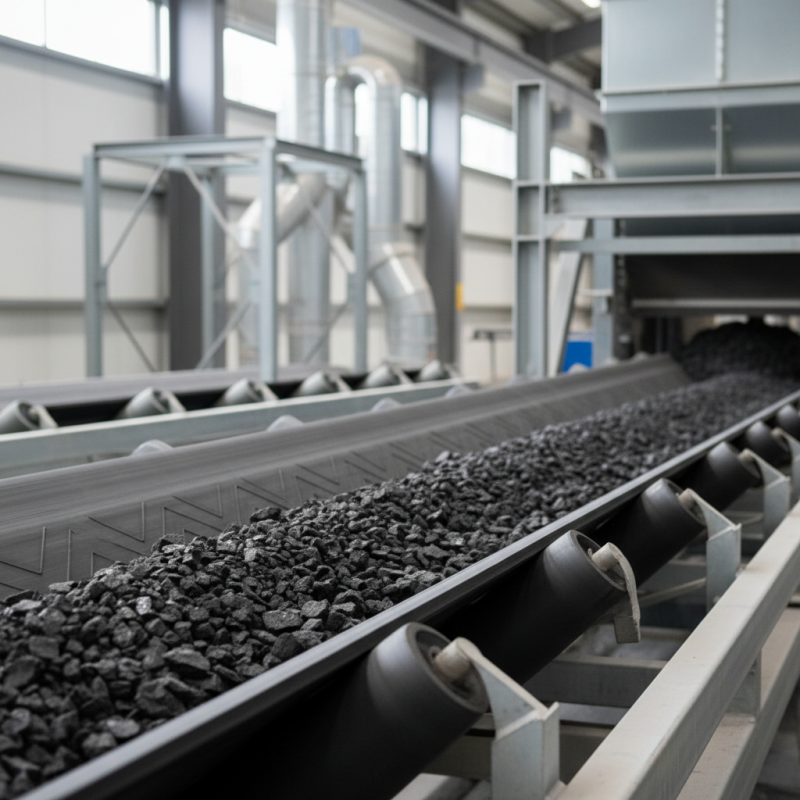
2026 How to Choose the Best Black Rubber Conveyor Belt?
Selecting the right Black Rubber Conveyor Belt is crucial for operational efficiency. These belts are vital in various sectors, including manufacturing and logistics. A poor choice can lead to increased downtime and higher costs.
Understanding the specifics of Black Rubber Conveyor Belts can be overwhelming. There are many options, each with unique features and benefits. It's important to consider factors like thickness, width, and material quality. Simple mistakes in selection can lead to significant issues in productivity.
Experience plays a vital role in making informed decisions. Consulting experts in the field is beneficial. Their insights can guide you toward the ideal belt for your needs. Remember, investing time in research can prevent costly errors down the line.
Factors to Consider When Selecting a Black Rubber Conveyor Belt
When selecting a black rubber conveyor belt, several factors demand attention. Material durability is key. High-quality rubber withstands wear and pressure, ensuring longevity. According to industry reports, a belt that combines natural and synthetic rubber can extend service life by up to 25%. This eliminates frequent replacements, which can disrupt operations.
Belt width and thickness also play critical roles. A belt should match the load requirements. Wider belts carry more material efficiently. A thickness of ¼ inch or more often provides the strength needed for heavy-duty applications. Industry standards suggest testing belts under maximum load to evaluate performance.
Additionally, consider the environment. Conveyor belts may be exposed to heat, fluids, or chemicals. Specialized rubber compounds can resist these factors. Aligning the belt’s properties with operating conditions enhances reliability. Monitoring the surface texture is essential. A rough surface can improve traction but may increase wear. Evaluating these elements can be challenging but is necessary for optimal performance.
Types of Black Rubber Conveyor Belts Available in the Market
When choosing a black rubber conveyor belt, understanding the types available is essential. There are three main categories of black rubber conveyor belts in the market: general purpose, heat-resistant, and oil-resistant belts. Each type has unique properties that cater to specific industrial needs. According to a recent industry report by Grand View Research, the global conveyor belt market is expected to reach $7.7 billion by 2024, highlighting the importance of selecting the right belt for operational efficiency.
General purpose rubber belts are thick and durable, suitable for basic material handling. They typically feature a smooth surface but may present wear over time. Heat-resistant belts, on the other hand, are designed to withstand high temperatures, which can exceed 200°C. According to a statistic from the Conveyor Equipment Manufacturers Association, heat-resistant belts can increase life expectancy by up to 30% in high heat environments. Oil-resistant belts provide additional protection in environments where oil exposure is prevalent, enhancing longevity.
It’s crucial to consider the working environment when choosing a belt. For instance, not all belts perform well in extreme temperatures or oily conditions. Choosing a belt incorrectly can lead to increased maintenance costs and downtime. When selecting, consult with professionals familiar with the specific industry standards and materials to find the most suitable option.
Key Specifications and Features of Black Rubber Conveyor Belts
Selecting the right black rubber conveyor belt is critical for efficiency and safety in various industries. When evaluating options, consider key specifications such as tensile strength, abrasion resistance, and temperature durability. Data shows that belts with a tensile strength of over 2000 N/mm are suitable for heavy-duty applications. These belts withstand high loads without compromising integrity.
Additionally, the surface texture of the belt matters. Rougher textures offer better traction, reducing slippage during operation. According to industry reports, belts with a coefficient of friction above 0.6 perform optimally in demanding environments. Temperature extremes also play a significant role; belts designed for high temperatures can handle up to 200°C, while cold-resistant belts work well below zero degrees.
Some users may overlook the importance of custom specifications. Every application is unique, and a one-size-fits-all solution often leads to inefficiencies. Choosing the wrong belt can result in increased wear and tear. Continual performance assessments are necessary for ensuring longevity. The goal should be balancing initial costs with long-term performance metrics.
Applications and Industries Best Suited for Black Rubber Conveyor Belts
Black rubber conveyor belts are crucial in various industries due to their durability and flexibility. They are widely used in mining, agriculture, and manufacturing. In mining, these belts handle heavy loads of materials like coal and minerals. Their strength ensures minimal wear and tear, which is essential in harsh environments.
In agriculture, black rubber conveyor belts transport grains and other products smoothly. Their resistance to moisture and abrasion makes them ideal for this sector. Many farms prefer these belts for their reliability. In manufacturing, they facilitate the movement of goods between different stages of production. However, selecting the right conveyor belt can be challenging. Factors like load capacity and environmental conditions should be considered.
One common pitfall is overlooking maintenance. Conveyor belts require regular inspections to prolong their lifespan. Neglecting this can lead to costly downtime. It's important to reflect on specific needs before making a choice. Material compatibility and belt design play critical roles in performance. Ultimately, understanding the application helps in making an informed decision.
Maintenance Tips to Extend the Life of Your Black Rubber Conveyor Belt
Proper maintenance is essential for extending the life of your black rubber conveyor belt. Regular inspections can identify wear points early on. Check for signs of fraying, cracking, or unusual wear patterns. These indicators can help you prevent more significant issues down the road.
It's vital to keep the conveyor belt clean. Debris buildup can cause damage and increase wear. Utilize appropriate cleaning methods, avoiding harsh chemicals. A soft brush or a damp cloth can effectively remove dirt and residue. Ensure the belt is dry before reusing it.
Another tip is to monitor the tension. An overly tight belt can lead to stress and premature failure. Conversely, a loose belt may slip or misalign, causing operational issues. Adjust tension according to manufacturer recommendations to achieve optimal performance. Regularly checking these factors can make a significant difference in the lifespan of your conveyor system.
 skip to Main Content