How to Choose the Right Welded Pipe for Your Project?
Choosing the right Welded Pipe for your project can be challenging. With various types available, it's essential to understand your requirements. Welded pipes are often utilized for their strength and versatility in construction, manufacturing, and plumbing.
Consider factors like diameter, wall thickness, and material grade. These characteristics can significantly impact your project's success. For example, a thicker wall might be required for high-pressure applications. It's crucial to consult with experts in the field, as they can provide insights into the best options available. Mismatched specifications can lead to costly delays or failures.
Understanding your project's demands is vital. Assessing the environment in which the welded pipe will be used is equally important. Conditions like temperature, pressure, and corrosion potential influence material selection. A careful evaluation prevents future complications and ensures the longevity of your installation.
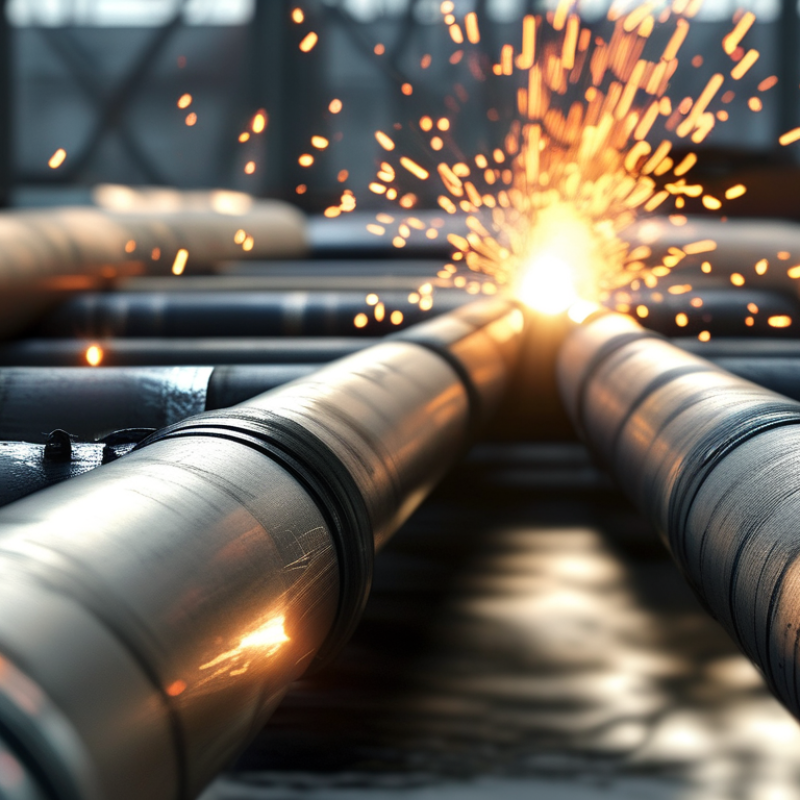
Understanding the Different Types of Welded Pipes Available
Choosing the right welded pipe is crucial for any construction or manufacturing project. Understanding the different types available will greatly impact the effectiveness and durability of your project. There are several types of welded pipes, each suited for specific applications. Common options include electric resistance welded (ERW), submerged arc welded (SAW), and fusion welded pipes.
ERW pipes are made by rolling plates and welding them along the seam. They are ideal for structural projects due to their strength and flexibility. SAW pipes, on the other hand, are used for high-pressure applications. The welding method involves using a blanket of molten flux, which adds to its integrity. Fusion welded pipes provide excellent corrosion resistance, making them suitable for chemical industries.
Consider these factors when choosing your pipe. Pay attention to the application requirements, wall thickness, and material type. Selecting a pipe that meets your project's specific needs is vital. Reviews and expert guidance can enhance your decision-making process.
Pipes may seem straightforward, but each type presents unique challenges. Ensure you analyze your project's requirements clearly. If uncertain, discuss options with a welding expert to gain insights tailored to your needs. Making informed choices prevents costly mistakes in the long run. Always keep your priorities aligned with the project's goals for optimal results.
Evaluating Material Options for Welded Pipes Based on Project Needs
When evaluating material options for welded pipes, consider the specific needs of your project. Different materials offer unique benefits and drawbacks. For instance, carbon steel is strong and cost-effective, making it ideal for many applications. Stainless steel, on the other hand, resists corrosion well but can be more expensive.
Think about the environment where the pipe will be used. Will it face extreme temperatures or exposure to chemicals? These factors can significantly impact performance and longevity. A common mistake is overlooking the potential for rust or degradation over time.
Quality matters too. Not all welded pipes are created equal. Poorly manufactured pipes may fail under pressure or cause leaks. Always assess the producer's reputation and the manufacturing standards. Taking the time to do this can save you from costly repairs later.
Assessing Pipe Size and Thickness Requirements for Your Application
Choosing the right welded pipe involves understanding the specific size and thickness requirements for your project. The American Institute of Steel Construction (AISC) estimates that the correct pipe size can impact overall structural integrity by as much as 15%. Not selecting the appropriate thickness can lead to failures under stress. Manufacturers often suggest using thicker pipes in high-pressure applications to prevent leaks or bursts.
When assessing pipe thickness, consider the environmental conditions. For example, in corrosive environments, thicker pipes provide better resistance. ANSI B36.10 outlines standard weights for various welded pipes. Using this standard can improve compatibility and reliability in your projects.
Evaluate your requirements based on real-world applications. An overestimation of needs may lead to higher costs, while underestimating can result in critical failures. Always review project specifications in detail and cross-reference with industry standards to make informed decisions.
Tip: Keep detailed records of your projects and pipe specifications. This helps refine future selections and minimize errors. Always seek input from industry experts to gain additional insights.
How to Choose the Right Welded Pipe for Your Project? - Assessing Pipe Size and Thickness Requirements for Your Application
| Pipe Size (inches) | Wall Thickness (inches) | Application | Material Type | Typical Uses |
| 1 | 0.065 | Structural | Steel | Construction frames, support structures |
| 2 | 0.083 | Mechanical | Aluminum | Automobile frames, machine parts |
| 3 | 0.120 | Heat Exchanger | Stainless Steel | Oil and gas pipelines, chemical processing |
| 4 | 0.140 | High Pressure | Carbon Steel | Water, natural gas transport |
| 5 | 0.250 | Heavy Duty | Alloy Steel | Mining, construction machinery |
Determining the Appropriate Welding Method for Pipe Fabrication
Choosing the appropriate welding method is vital for pipe fabrication. Different techniques can yield varying levels of strength and suitability for specific materials. Common methods include TIG, MIG, and submerged arc welding. Each method has unique advantages and drawbacks. For example, TIG is excellent for thin materials but can be time-consuming. MIG is faster, yet it might not provide the best quality for all applications.
Understanding the specific requirements of your project is essential. Factors such as pipe diameter, wall thickness, and material type play a crucial role. If you're working with a thin-walled pipe, a fine bead from TIG welding may be necessary. However, in larger projects, MIG could offer efficiency. Reflecting on past projects can provide valuable insights into what worked and what didn’t.
Another consideration is the environment where the welding will take place. Outdoor conditions, such as wind and moisture, can affect the welding process. Each method performs differently under various conditions. Think about the accessibility of the work area, too. A cumbersome setup might lead to mistakes or inefficiencies. Balancing all these factors will ultimately guide you to the best welding choice for your project.
Identifying Industry Standards and Certifications for Welded Pipes
Choosing the right welded pipe involves understanding industry standards and certifications. Welded pipes must meet specific requirements to ensure safety and durability. Familiarizing yourself with these standards is crucial. For example, pipes are often tested under various pressure and temperature conditions. This testing ensures they can handle real-world applications.
Certifications play a significant role in the decision-making process. They indicate a product's quality and reliability. Look for certifications such as ISO, ASTM, and ASME. Each of these organizations provides guidelines that help manufacturers maintain consistent quality. However, not all manufacturers adhere to these standards. It’s vital to conduct thorough research before making your choice.
Consider the application of the pipe. Different industries may have unique standards. For instance, pipes used in food processing must comply with health regulations. Reflecting on the specific needs of your project helps narrow your options. Don't solely rely on certifications; investigate the manufacturer’s reputation as well. This comprehensive approach can save complications later.
Welded Pipe Selection Based on Industry Standards and Certifications
 skip to Main Content
