 skip to Main Content

How to Choose the Right Hydraulic Solenoid Valves for Your System?
Selecting the appropriate hydraulic solenoid valves for your system can be challenging. Many factors influence this choice. Understanding your specific requirements is crucial to achieving optimal performance.
Hydraulic solenoid valves control fluid flow in hydraulic systems. They help manage pressure and direction. Choosing the right valve can prevent system malfunctions. However, there are several types available. Each type has distinct characteristics. Analyzing the specifications is essential to make informed decisions.
It's common to underestimate the importance of quality. Low-cost options may seem appealing, but they often lead to issues. Reliability is paramount, as failures can result in costly repairs. Assess the manufacturer’s reputation and previous experience. Taking these steps ensures a more dependable hydraulic system.
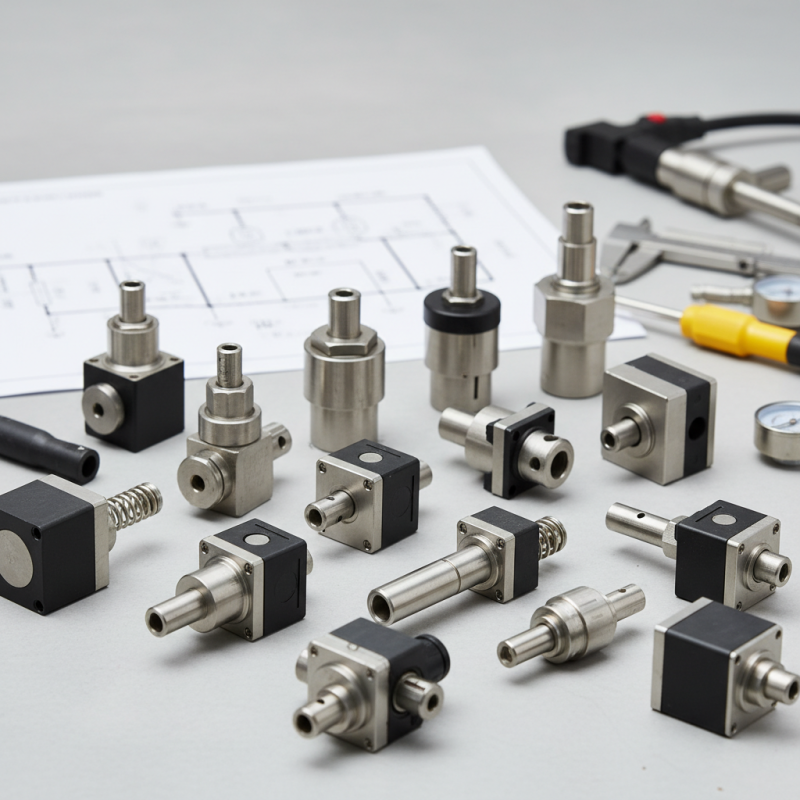
Types of Hydraulic Solenoid Valves and Their Applications
Hydraulic solenoid valves are crucial components in fluid power systems. Understanding their types and applications can enhance system efficiency. There are several types of hydraulic solenoid valves, each designed for specific purposes. The most common types include direct-acting, pilot-operated, and proportional solenoid valves. Each has unique characteristics that make them suitable for different operational needs.
For instance, direct-acting solenoid valves are often used in low-flow systems. They respond quickly to electrical signals. In contrast, pilot-operated valves are better suited for high-flow applications. They use a small pilot signal to control a larger flow, making them efficient for heavy-duty tasks. Proportional valves allow for precise flow control, essential in applications requiring accurate adjustments.
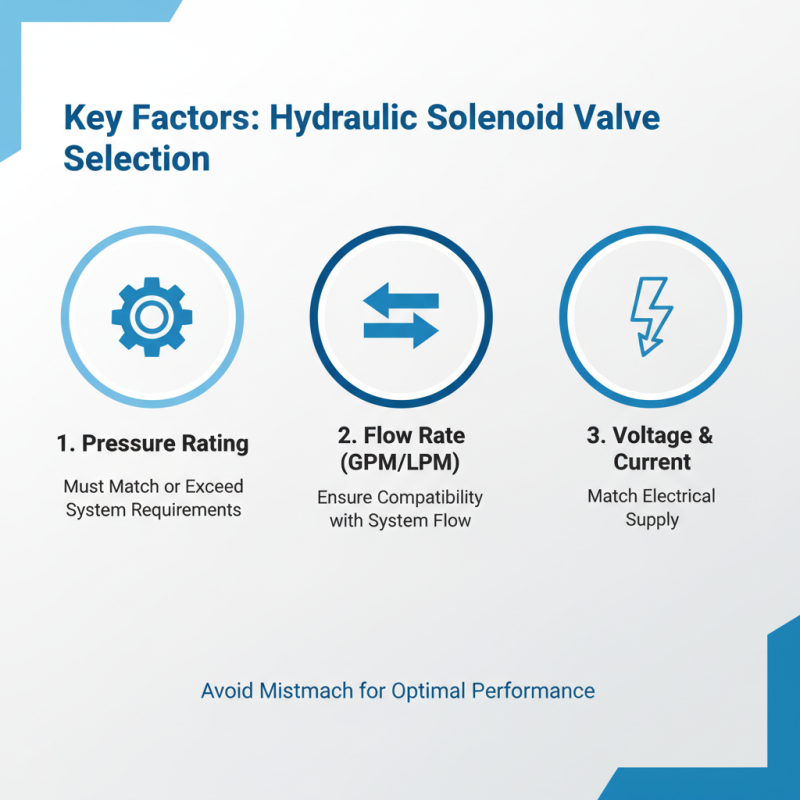
When selecting solenoid valves, consider the system's requirements. Ensure the chosen valve matches the pressure and flow specifications. Evaluate the environmental conditions as well; extreme temperatures or exposure to contaminants can impact performance. Taking time to research valve options can lead to better performance and longevity of the hydraulic system, yet understanding every aspect can be challenging. It's crucial to stay updated on trends and advancements in hydraulic technology for informed choices.
How to Choose the Right Hydraulic Solenoid Valves for Your System?
| Type of Hydraulic Solenoid Valve | Description | Applications | Advantages |
|---|---|---|---|
| Direct-Acting Solenoid Valve | A valve that directly uses the solenoid to open or close the fluid passage. | Small hydraulic circuits in machinery. | Compact size and fast response time. |
| Pilot-Operated Solenoid Valve | Uses a small pilot flow to operate a larger valve. | Heavy-duty applications like industrial machinery. | Can handle larger flows and pressures. |
| Two-Position Solenoid Valve | Offers two distinct positions for on/off control. | General on/off control in fluid systems. | Simplistic operation and reliability. |
| Three-Way Solenoid Valve | Has three ports, allowing for diverter or mixing functions. | Fluid diverting and mixing applications. | Versatile fluid routing capabilities. |
| Four-Way Solenoid Valve | Controls the flow of hydraulic fluid to two different outputs. | Actuator control in double-acting cylinders. | Allows for complex motion control. |
Related Posts
-

Top 10 Hydraulic Solenoid Valves You Need to Know About for Optimal Performance
-
How to Choose the Right Hydraulic Solenoid Valves for Your Applications
-
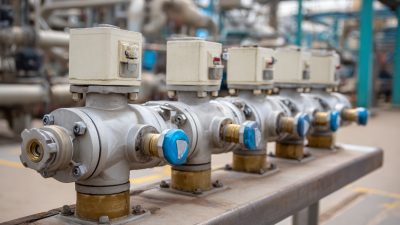
How to Choose the Right Hydraulic Check Valve for Your System
-
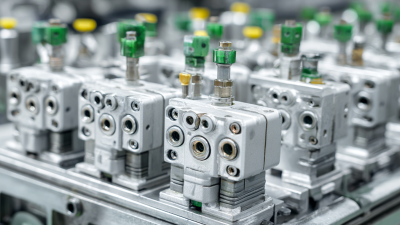
Unlocking Efficiency: How Hydraulic Directional Control Valves Boost Industrial Performance by 30%
-
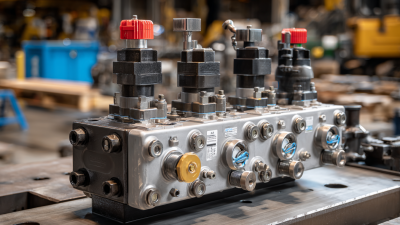
Understanding the Essential Role of Continental Hydraulic Valves in Modern Industry
-
What is an Electric Valve? Understanding Types, Applications, and Benefits