How to Choose the Best Solar Panel Roof Mount for Your Home?
Choosing the right solar panel roof mount is crucial for maximizing energy efficiency and lifespan. John Smith, a solar energy expert with over a decade of experience, emphasizes, "The mount you choose can significantly impact your solar system's performance." Understanding the specific needs of your home and your roof type is essential.
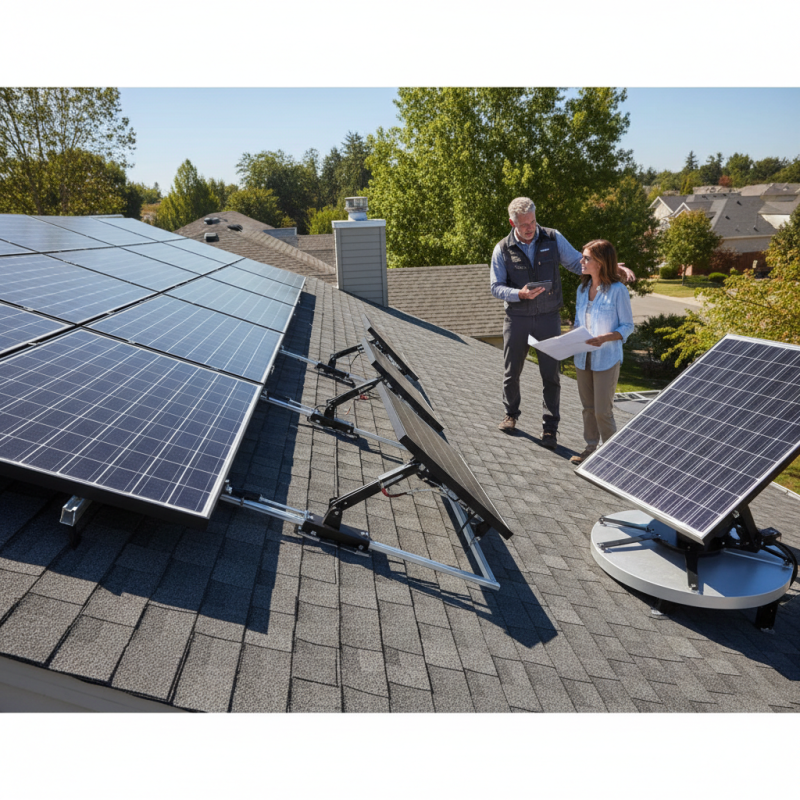
There are various solar panel roof mounts available, including fixed, adjustable, and tracking mounts. Each type has unique benefits and limitations. For instance, fixed mounts are simpler but may not capture optimal sunlight all day. On the other hand, adjustable mounts allow for better sun exposure but involve more complexity.
Research and careful consideration are key. Mistakes can lead to inefficiency or costly repairs. So, it’s important to weigh your options thoughtfully. A reliable solar panel roof mount can enhance not only energy output but also the durability of your solar panels. It's worth consulting with professionals to find the best fit for your home.
Understanding Different Types of Solar Panel Roof Mounts
When choosing the best solar panel roof mount, it's essential to understand the different types available. Roof mounts mainly fall into three categories: fixed, adjustable, and tracking mounts. Fixed mounts are cost-effective and simple, offering a stable position. Adjustable mounts can be tilted to optimize sunlight exposure throughout the year. Tracking mounts, while more expensive, follow the sun's path, maximizing energy capture.
According to a recent report by the Solar Energy Industries Association, more than 50% of residential solar installations utilize fixed mounts due to their reliability. However, adjustable and tracking options are gaining popularity due to increased efficiency. Homeowners should assess roof angles and sunlight exposure to determine the best fit for their needs.
Tip: Survey your roof for obstacles like trees or chimneys that could block sunlight. This will help optimize the mount choice. Remember, installation costs can vary widely based on the chosen mount type. Researching these options thoroughly can lead to better long-term savings.
Consider how weather conditions in your area affect solar panel performance. In heavy snowfall regions, a fixed mount may accumulate snow, impacting efficiency. Reflect on how often you need to clean and maintain your system to keep it operating at peak performance.
Choosing the Best Solar Panel Roof Mount: Types and Popularity
Evaluating Your Roof's Structure and Material for Compatibility
Evaluating your roof's structure and material is crucial when selecting the right solar panel roof mount. Different roofs have varying load capacities and architectural designs. For instance, a flat roof may require a different mounting system compared to a sloped roof. Understanding these differences helps ensure a secure and efficient installation.
You also need to consider the material of your roof. Asphalt shingles, metal, and tiles each respond differently to mounting systems. Some materials may be easier to penetrate, while others require specialized brackets. Evaluating these factors contributes to a reliable setup. Additionally, if the roof is older or damaged, repairs might be necessary before installation. Ignoring these aspects can lead to costly mistakes later.
It’s important to engage with a professional for a detailed assessment. They can provide insights based on their experience and expertise. A thorough evaluation of your roof ensures compatibility and maximizes the efficiency of your solar system. Remember, this decision impacts your energy savings and home integrity in the long run.
Assessing Solar Panel Size and Weight Requirements for Installation
When considering solar panel installation, size and weight are critical factors. Different roofs have varying load capacities. It's essential to know your roof’s limits before committing to a solar mount. Remember, a well-supported system ensures longevity and safety.
Tips: Measure the available roof space. A larger area may allow for more panels. Assess the roof structure for any weaknesses. Older roofs might require reinforcement to handle the new weight. Consult with a professional to understand necessary adjustments.
Always consider the solar panel's dimensions and weight. Most residential panels weigh between 40 to 50 pounds. Ensure that your mounting system can support this without issues. Too heavy a load could cause roof deterioration. Regular inspections and maintenance are crucial after installation.
Ultimately, invest time in planning. Ensure every detail aligns with your roof's specifications. This conscious effort pays off in efficiency and system performance. A well-installed solar setup provides long-term benefits and peace of mind.
Considering Local Climate and Weather Conditions Impact on Mounts
When selecting a solar panel roof mount for your home, it's crucial to consider local climate and weather conditions. Different regions experience varied weather patterns, impacting the durability and effectiveness of the mounts. For example, areas prone to heavy snowfall require mounts that can handle additional weight. Conversely, regions with high winds might need mounts designed to withstand strong gusts.
In addition, the temperature fluctuations in your area can affect solar panel performance. For instance, extreme heat can lead to expansion and contraction of materials used in mounts. This could result in misalignment over time. Proper installation and selection of materials are essential to prevent these issues. Consult experts who understand your local weather nuances to ensure reliable setup.
Remember that an effective solar mount not only supports your panels but also protects them from harsh conditions. While it may seem straightforward, the wrong choice can lead to costly repairs down the line. Research various mount types and reflect on the potential challenges your specific environment presents. This attention to detail will contribute to a more sustainable solar energy system.
Reviewing Installation Options: DIY vs. Professional Services
When considering solar panel roof mounts, you face the choice between DIY installation and hiring professionals. DIY projects can be appealing. They promise savings and a sense of achievement. However, the challenges can be significant. Incorrect installation could lead to leaks or reduced system efficiency. Understand your skill set and comfort level with tools before diving in.
On the other hand, professional services offer expertise and reliability. They usually ensure compliance with local regulations and safety standards. Professionals will complete the installation efficiently, minimizing the risk of future issues. However, this comes at a cost. Homeowners must weigh the immediate financial implications against long-term benefits.
Reflecting on both options, consider your specific circumstances. Some may thrive with a DIY approach, making it a rewarding venture. Others might find the peace of mind from professionals to be worth the investment. Evaluate your needs, safety, and budget carefully. This decision is pivotal for maximizing the benefits of your solar panel system.
 skip to Main Content
