How to Choose the Best Rechargeable LED Lamp for Your Needs?
Choosing the right rechargeable LED lamp can be challenging. With so many options available, it’s easy to feel overwhelmed. A good rechargeable LED lamp should not only provide bright light but also serve your specific needs effectively.
One must consider several factors before purchasing. Battery life, brightness settings, and design are crucial. A longer battery life ensures you aren't frequently recharging. Brightness settings allow you to adjust the light intensity based on your activities. The design can affect portability and aesthetics, making it essential to find a lamp that suits your lifestyle.
It's important to think about your unique needs. Will you use it indoors or outdoors? Do you need a compact design for travel? Reflecting on these questions can guide your decision. While many lamps have great features, some may fall short in real-life applications. Taking time to explore user reviews can reveal both the strengths and weaknesses of different models. A well-informed choice can lead to better satisfaction with your rechargeable LED lamp.
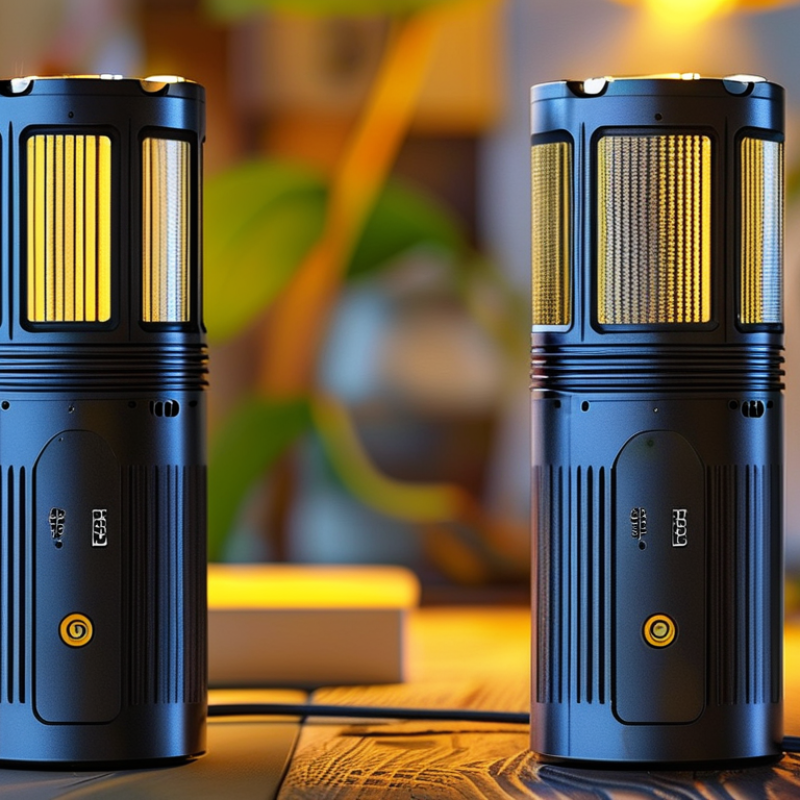
Understanding Your Lighting Needs and Preferences
Understanding your lighting needs and preferences is essential for choosing the best rechargeable LED lamp. According to a report by the Lighting Research Center, approximately 85% of consumers prioritize brightness when selecting lighting solutions. However, the optimal brightness level varies based on individual tasks. For reading, a lamp with around 800 lumens is often ideal, while decorative settings may only require around 200 lumens. This indicates a need for consideration beyond just lumens.
Color temperature is another critical factor. A study by the American Lighting Association found that 65% of individuals prefer warm white light (around 2700K) for a cozy ambiance. In contrast, cooler light (around 5000K) works well in workspaces where focus is necessary. The emotional impact of light cannot be overlooked; it can influence mood and productivity. Reflecting on these aspects enables a more tailored choice.
Battery life also plays a significant role in usability. Many reports indicate that a rechargeable lamp should provide at least 5 to 10 hours of continuous use. Users often express frustration with short battery life, highlighting the need for realistic expectations. Ensuring that the lamp meets various personal and functional requirements leads to a more satisfactory experience.
Types of Rechargeable LED Lamps Available on the Market
When choosing a rechargeable LED lamp, understanding the types available is crucial. There are primarily three types: portable lamps, desk lamps, and outdoor lanterns. Portable lamps are versatile and can be used in various settings, from camping to home use. A recent industry report from Allied Market Research noted that the portable LED lamps segment is expected to grow by 15% CAGR by 2027, reflecting increasing consumer demand for flexibility and functionality.
Desk lamps offer targeted lighting and are ideal for workspaces. Many desks models now come with built-in USB ports, allowing easy charging for devices. However, not all models provide adjustable brightness levels, which could be a limitation for some users. Outdoor lanterns are designed for durability under harsh conditions. They often feature higher lumens output for better visibility in the dark. Data from ResearchAndMarkets indicated that outdoor rechargeable lamps are witnessing a surge in interest, with a projected market growth of 12% annually.
Selecting the right type involves considering usage scenarios. Some users may find the need for flicker-free light essential for extended reading. Others might prioritize battery longevity over aesthetics. User reviews can sometimes reflect genuine experiences, yet they vary widely, highlighting the need for the buyer to assess their own requirements carefully. The right rechargeable LED lamp should ultimately serve your specific needs without unnecessary features.
Types of Rechargeable LED Lamps Available on the Market
Key Features to Consider When Selecting a Rechargeable LED Lamp
When selecting a rechargeable LED lamp, several key features warrant your attention. Battery life is crucial. Look for lamps with a long-lasting battery, ideally over five hours. A quick charge function can also be beneficial, especially for users on the go. Consider the brightness level as well. Some lamps offer adjustable brightness settings, allowing you to choose the right intensity for different tasks.
Portability is another important aspect. A lightweight design enables easy transport, making it ideal for camping or travel. Additionally, ensure the lamp has a sturdy build for durability. Some users overlook water resistance, which can be essential for outdoor activities. Look for lamps rated IPX4 or higher for protection against splashes.
Light color temperature can greatly affect your comfort and productivity. Look for options with warm, cool, or adjustable color temperatures. These can influence the ambiance of a space. Lastly, think about usability features, like touch controls or timers. Reflect on what suits your lifestyle best, as every lamp has its strengths and drawbacks. Some might shine in portability while lacking in battery life. Choose wisely based on your specific needs.
Assessing Battery Life and Charging Options
When selecting a rechargeable LED lamp, battery life plays a crucial role. A good battery ensures long usage between charges. Look for lamps that provide at least 8 hours of light on a full charge. Shorter battery life might mean frequent recharging. This can disrupt your routine when light is needed the most.
Charging options also matter. Some lamps come with USB charging, allowing for easy connections to power banks or laptops. Others may require specialized chargers. This could limit your charging options in certain situations. Consider where you'll use the lamp most often. If you're outdoors, having versatile charging options is essential.
Tips: Always check the battery capacity in milliamp-hours (mAh). Higher numbers typically mean longer use. Consider investing in a lamp with a removable battery. This way, you can easily replace it when needed. Lastly, read reviews to understand real-world performance. They often reflect durability and functionality better than specifications alone.
Evaluating Portability and Design for Practical Use
When choosing a rechargeable LED lamp, portability and design are crucial factors. A lightweight lamp is easier to transport. Look for models that can fit snugly into a backpack or a small tote. Compact designs help maximize space. Some lamps offer foldable or collapsible features. This functionality can make a big difference when you’re on the move.
Design also impacts usability. Assess the lamp’s ease of operation. Touch or button controls should be intuitive. Evaluate the brightness levels and color temperatures offered. Certain designs may not provide adequate illumination in darker settings. User experiences can vary greatly based on these aspects.
Moreover, consider the battery life and charging options. A lamp that takes too long to charge may not suit your needs. Durability also matters. Some materials may feel sturdy but can break easily under pressure. User feedback can guide you to the most reliable choices. Focusing on these factors will enhance your overall satisfaction with the lamp.
 skip to Main Content
