Why is Car Radiator Maintenance Essential for Vehicle Longevity?
Car radiators play a crucial role in maintaining the health of your vehicle. They are responsible for regulating engine temperature, preventing overheating. A well-functioning radiator ensures that the engine operates efficiently, which is vital for longevity. Neglecting car radiator maintenance can lead to severe consequences, including engine failure.
Regular checks and maintenance of your car radiator can save you from expensive repairs. Over time, coolant levels can drop, or debris can clog the system. These issues may seem minor but can escalate quickly. Even a small leak can lead to overheating, which can damage your engine.
Experienced car owners understand that prevention is key. They routinely flush the radiator and replace old coolant. This proactive approach helps prevent corrosion and blockages. Remember, a small effort in maintaining your car radiator leads to significant benefits. Protecting your vehicle is an investment in its future.
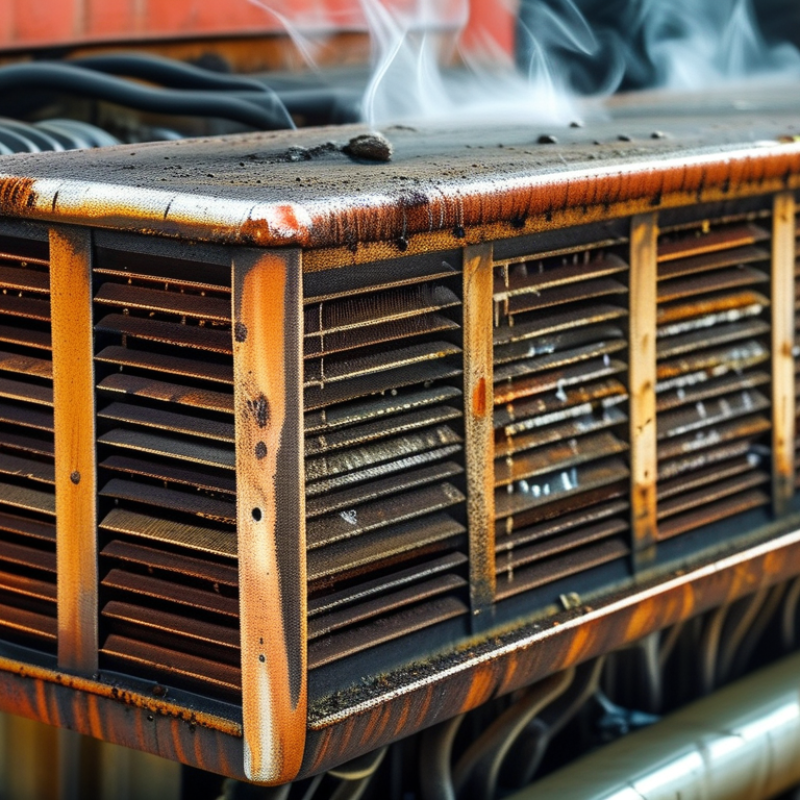
Importance of Car Radiators in Vehicle Cooling Systems
Car radiators are vital components of vehicle cooling systems. They work by dissipating heat from the engine coolant, preventing the engine from overheating. According to the Society of Automotive Engineers, improperly maintained radiators can account for 20% of engine failures. This statistic highlights the importance of regular radiator maintenance.
A well-functioning radiator ensures optimal engine performance. An unmaintained radiator can lead to reduced efficiency and increased fuel consumption. Studies have shown that just a 1% drop in cooling efficiency can lead to a 2% increase in fuel use. Visual inspections for rust and debris are crucial. Even small blockages can hinder effective heat dissipation, putting additional strain on the engine.
Inconsistent coolant levels can also be problematic. Over time, coolant may become contaminated. Using the wrong type of coolant can accelerate wear and tear. It is essential to test coolant regularly to ensure it meets manufacturer specifications. Neglecting these checks can result in costly repairs down the line. Regular maintenance not only extends the life of the radiator but also contributes to the vehicle's overall longevity and reliability.
Common Issues Related to Neglected Radiator Maintenance
Neglecting radiator maintenance can lead to serious issues. One common problem is overheating. When the radiator is dirty or clogged, coolant cannot flow properly. This can cause the engine to run hotter than normal, risking severe damage.
Another issue arises from leaks. Old or corroded radiators can develop cracks. Coolant will escape, leaving the engine without proper cooling. This leak can go unnoticed until it’s too late, causing engine failure. Regular checks can help spot these problems early.
Additionally, you might face poor vehicle performance. A malfunctioning radiator can strain the engine. This can result in reduced fuel efficiency and increased emissions. The more you ignore these signs, the worse the situation becomes. Simple maintenance tasks can prevent costly repairs down the road.
Key Maintenance Practices for Optimal Radiator Performance
Radiators play a crucial role in keeping your engine cool. Regular maintenance is vital to ensure optimal performance and longevity. Checking coolant levels is an essential practice. Low coolant can lead to overheating, which can be detrimental to the engine. Make sure to inspect for leaks, as old hoses can wear out. You might not see the problem until it’s too late.
Cleaning the radiator fins is another important task. Dirt and debris can impair airflow, reducing efficiency. A gentle spray of water can help clear out built-up grime. Don’t forget to check the thermostat too. A malfunctioning thermostat can significantly impact your cooling system. It’s easy to overlook, but it deserves attention.
Additionally, consider having a professional flush the radiator periodically. Old coolant can lose its effectiveness over time. Regular checks enhance reliability, but some neglect this responsibility. Skipping maintenance can lead to severe engine problems later. Reflect on how often you examine your vehicle’s cooling system. Being proactive can save you from costly repairs down the road.
Signs Indicating Radiator Problems Requiring Immediate Attention
Radiator problems are common and often overlooked. Regular checks can prevent serious issues. Temperature spikes are a clear sign of trouble. If the engine overheats, it may indicate radiator blockage or leaks. A study by the Automotive Maintenance Association reveals that 30% of vehicular breakdowns stem from cooling system failures.
Another critical sign is coolant leakage. Puddles under your car often signal a radiator issue. Ignoring this can lead to engine damage and costly repairs. The National Highway Traffic Safety Administration reports that engine failure can cost upwards of $2,500. Drivers must address leaks immediately to prevent further damage.
Additionally, strange noises from the vehicle can indicate radiator or water pump problems. Hissing or bubbling sounds suggest air in the cooling system. This often requires professional intervention. Regular maintenance, including fluid level checks and pressure tests, is essential. Ignoring these signs compounds problems and threatens vehicle longevity. Proper radiator care is imperative for safe, efficient driving.
Impact of Proper Radiator Care on Overall Vehicle Longevity
The radiator plays a crucial role in vehicle performance. It regulates the engine temperature, preventing overheating. Consistent radiator maintenance can significantly enhance the lifespan of a vehicle. When the radiator operates efficiently, it allows the engine to run smoothly. A well-maintained radiator reduces the risk of engine damage and costly repairs.
Routine checks can help identify issues early. Inspect for leaks, corrosion, or blockage. Keeping coolant levels adequate is vital. Remember to replace old coolant regularly. This practice ensures optimal thermal regulation.
Cleaning the radiator exterior is equally important. Dirt and debris can obstruct airflow. Clear any obstructions to maintain cooling efficiency. Professional inspections can uncover hidden problems. Neglecting these tasks can lead to more severe vehicle issues. Radiator care is not just about immediate function; it’s also about long-term vehicle health.
Impact of Proper Radiator Care on Overall Vehicle Longevity
 skip to Main Content
