What is the Best Heat Fusion Machine for Your Business?
In today's competitive landscape, selecting the right Heat Fusion Machine is crucial for business efficiency. Dr. Emily Gross, a leading expert in fusion technology, once stated, "Your choice of machine can significantly impact your production quality." This highlights the importance of understanding your options.
Heat Fusion Machines are not a one-size-fits-all solution. Different industries and applications require specific features and capabilities. For instance, a construction firm may need a robust machine for heavy materials, while a textile company might prioritize precision. Each choice comes with potential advantages and drawbacks.
Investing in the right Heat Fusion Machine can make or break your operation. Consider factors such as reliability, efficiency, and support services. In a world of rapid technological advancements, staying updated is essential. Businesses must continuously evaluate their equipment to ensure optimal performance. Sometimes, despite thorough research, companies still struggle to find the perfect fit. These experiences offer valuable lessons for future investments.
Understanding Heat Fusion Machines and Their Applications
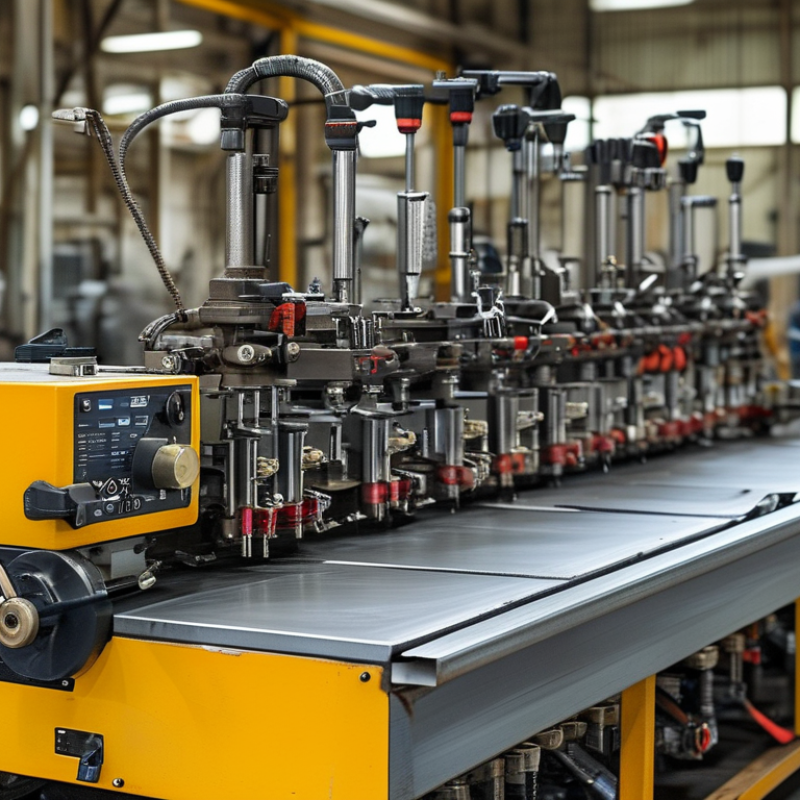
Heat fusion machines play a critical role in various industries, especially in construction and manufacturing. These machines use heat to bond materials, ensuring durability and strength. Understanding their applications is essential for businesses seeking efficiency and reliability. From pipe fitting in plumbing to fabric joining in textiles, heat fusion machines can improve production processes.
The technology behind these machines can vary significantly. Some may focus on speed while others prioritize precision. Choosing the right machine often feels overwhelming. Not all machines meet the specific needs of every business. Certain models may struggle with thicker materials, while others excel with lighter fabrics.
Regular maintenance is crucial for optimal performance. Over time, heat fusion machines can develop issues that affect their effectiveness. Users might find irregular seams or weak bonds if machines are not regularly checked. Identifying these problems early can save time and resources. Adaptability is also a key consideration. As industries evolve, so do the demands on heat fusion machines. Regular training and updates are essential for operators to keep up with advancements.
Heat Fusion Machines: Application Usage in Different Industries
Key Features to Consider When Choosing a Heat Fusion Machine
When selecting a heat fusion machine for your business, several key features should guide your decision. The machine’s temperature control is vital. Precision in temperature ensures reliable fusion and prevents material degradation. According to the American Society for Testing and Materials (ASTM), improper temperature settings can lead to a 15% reduction in material strength.
Speed and efficiency also play critical roles. A machine that operates at higher speeds can significantly increase productivity. Research indicates that businesses utilizing faster heat fusion machines saw a 20% improvement in output. It’s crucial to consider the machine's compatibility with various materials as well. Some machines perform better with specific types of plastics, affecting overall cost-effectiveness.
Tips: Always consult technology reports and industry case studies. They provide insights into machine performance under real-world conditions. Also, conduct a trial run if possible. This helps verify if the machine meets your requirements.
Invest in a machine with robust safety features too. Safety protocols reduce incidents during operation, which can lead to costly downtime. Data shows that equipment-related injuries can decrease by up to 30% with proper safety measures in place. It is essential to strike a balance between cost, efficiency, and safety for optimal results.
Comparative Analysis of Leading Heat Fusion Machine Brands
When choosing a heat fusion machine, it's crucial to consider several leading brands. Each brand offers unique features that cater to diverse business needs. For instance, some machines excel in speed, while others stand out for their durability. Analyzing these features can provide valuable insights.
Tips: Review product specifications. Pay attention to wattage and temperature control. This can affect the quality of fusion in your projects.
Attention to detail in performance is essential. Some machines may have better insulation, which can reduce energy costs. Organizations should also contemplate maintenance requirements. A machine that is easy to clean will save time and resources.
Tips: Regular upkeep is vital. A neglected machine can lead to subpar performance. Prioritize user-friendly designs to streamline operations.
Always read user experiences and reviews. Understanding real-world applications can illuminate potential challenges. Some businesses have reported issues with consistency, which requires constant monitoring. Seek machines that provide reliable results over time.
Cost-Benefit Considerations for Heat Fusion Machines in Business
When considering the cost-benefit of heat fusion machines, businesses must analyze various factors. A comprehensive report by Industry Research states that 68% of businesses saw a 30% reduction in labor costs after adopting these machines. This significant reduction is essential for companies looking to optimize their budgets.
Investing in heat fusion technology can also lead to improved product quality. According to a study published by the Association of Manufacturing Professionals, companies using advanced machines noted a 25% decrease in production defects. This directly enhances customer satisfaction and loyalty, translating into higher sales. However, businesses should evaluate the initial investment versus the long-term gains carefully.
While the upfront costs may seem daunting, the potential savings are compelling. A report from Market Insights indicates that the return on investment averages around 150% within three years of use. Companies must assess whether the technology aligns with their production goals. It can sometimes lead to over-expectation, where the benefits are not immediately visible. Evaluating not just the machinery but also the training and integration costs is vital to ensure a smooth transition.
Tips for Maintaining and Optimizing Heat Fusion Equipment Performance
Maintaining heat fusion equipment is crucial for optimal performance. Regular inspection and cleaning can prevent breakdowns. A 2020 report by the Industrial Equipment Research Institute found that 30% of machinery failures occur due to neglect. Keeping equipment clean reduces wear and enhances efficiency.
Calibration is essential. A well-calibrated machine uses energy more efficiently. According to a survey by the National Industrial Equipment Association, machines that undergo routine calibration show a 15% increase in output. Operators should use precise measurement tools for accuracy. Neglecting this can lead to subpar product quality and increased waste.
Operator training is another vital aspect. Skilled operators can identify issues early. A study by the Manufacturing Skills Academy indicated that 40% of operational errors result from inadequate training. Investing in ongoing education improves staff competency. Consequently, this minimizes costly mistakes and extends the machine's lifespan.
 skip to Main Content
