skip to Main Content

What Are the Best Flow Control Valves from China?

Choosing the best flow control valves from China requires more than comparing catalogue prices. In chemical plants, water systems, and process lines, a valve must regulate media smoothly, withstand pressure, and remain serviceable. Chinese manufacturers offer broad choices, including globe, ball, butterfly, diaphragm, and control valves. Yet product names can mislead. A polished website does not prove field performance. Buyers should examine body materials, trim compatibility, actuator response, leakage class, pressure rating, and operating temperature. Small details matter. A stainless-steel body may still fail if seals are poorly matched to the medium. This guide introduces practical criteria for evaluating suppliers and valve designs. It focuses on evidence rather than attractive claims.

Reliable assessment combines engineering review, factory communication, and documented testing. Ask for drawings, material certificates, pressure-test records, calibration data, and traceability for critical parts. Independent inspection can confirm dimensions, weld quality, coating condition, and packing before shipment. Experienced sourcing teams should also compare after-sales response, spare-part availability, installation guidance, and warranty terms. These factors often decide whether a low purchase price remains economical. Application context changes the answer. A valve for clean water may not suit abrasive slurry or high-temperature steam. No single Chinese manufacturer is best for every service. That is worth admitting. Supplier capability can vary between models, production batches, and export markets. Therefore, this overview compares leading options through technical fit, quality controls, certifications, customization, and ownership costs. It also notes potential weaknesses, because honest evaluation is more useful than effortless praise.
What Are the Best Flow Control Valves from China?

Types of Flow Control Valves Manufactured in China

What Are the Best Flow Control Valves from China?

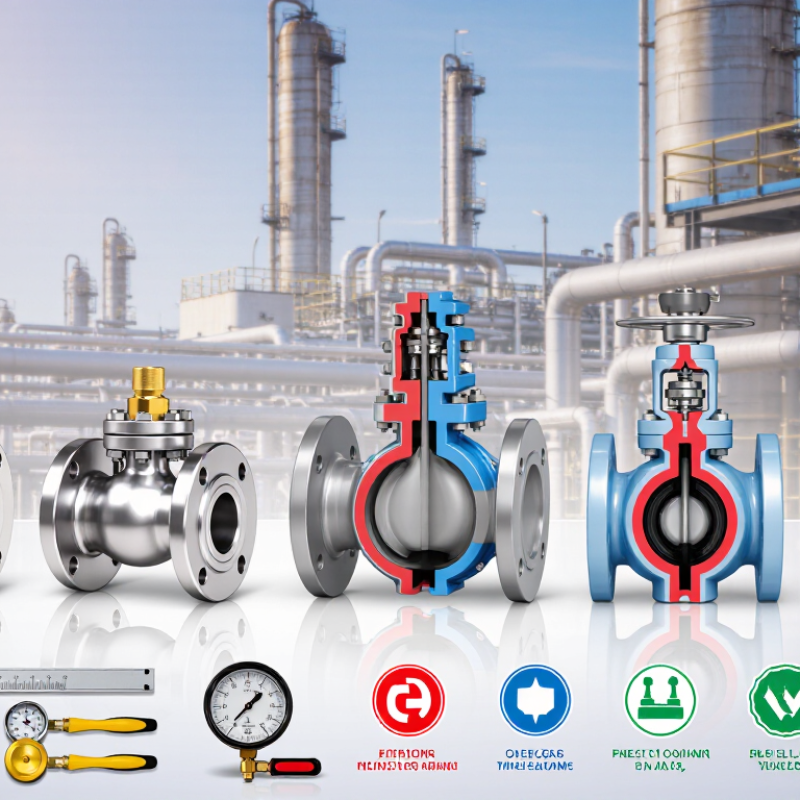
China manufactures a broad range of flow control valves for water, chemicals, energy, and process plants. Common types include butterfly, ball, globe, gate, diaphragm, needle, and check valves. Each design solves a different problem. Butterfly valves suit large pipelines and moderate pressure. Ball valves provide quick isolation with low resistance. Globe valves offer finer throttling, especially in steam and liquid systems. Diaphragm valves handle corrosive or hygienic media with limited leakage risk.

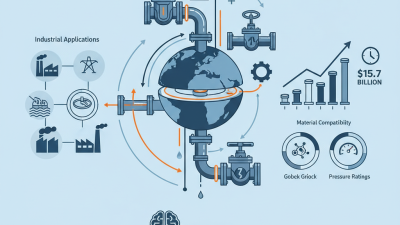
A 2024 MarketsandMarkets report estimated the global control valve market at about USD 7.6 billion in 2024. It projects growth to nearly USD 10.5 billion by 2029. Asia-Pacific remains a major manufacturing and consumption region. Chinese factories increasingly supply cast, forged, lined, and automated valve assemblies. Material selection matters. Stainless steel, carbon steel, duplex steel, and plastic-lined bodies behave differently under pressure and temperature.

In practical purchasing, I inspect pressure-test records, actuator response, surface finish, and spare-part availability. I also check whether dimensions match standards such as ISO 5211, API 609, or IEC 60534. A polished catalog is not enough. No catalog is perfect. Some low-cost valves appear attractive but use thin seats or inconsistent coatings. That weakness may emerge after repeated cycling, not during a short inspection. Buyers should request traceable material certificates and independent testing for critical service. The right valve depends on flow rate, pressure drop, media, temperature, and control accuracy.

Key Materials and Design Features to Compare

What Are the Best Flow Control Valves from China?
Key Materials and Design Features to Compare

Selecting flow control valves from China requires more than comparing prices. Material compatibility should match the fluid, pressure, temperature, and operating cycle. Stainless steel suits corrosive water and many chemical services. Carbon steel handles demanding industrial systems, but it needs effective coating protection. Ductile iron can reduce cost in water applications, though it may not suit aggressive media.

The sealing materials deserve equal attention. PTFE offers strong chemical resistance, while EPDM performs well with water and selected low-temperature fluids. Metal seats tolerate heat and abrasion better than soft seats. However, no material fits every service. This is where specifications can become overly optimistic. Ask for actual pressure tests, material certificates, dimensional records, and batch traceability.

Design details often separate a dependable valve from a troublesome one. A streamlined body can reduce turbulence and energy loss. Anti-cavitation trim helps protect the seat when pressure drops sharply. For automated units, check actuator torque, feedback accuracy, manual override, and fail-safe behavior. A compact design is useful, but cramped access can make maintenance frustrating. Chinese manufacturers may offer strong customization, yet drawings must confirm flange standards, face-to-face dimensions, coating thickness, and inspection points. Independent testing is worth considering when the valve controls critical flow. Thin documentation remains a warning sign, even when machining looks precise.

How Chinese Flow Control Valve Suppliers Are Evaluated

The best flow control valves from China are not chosen by price alone. They are evaluated through evidence, testing, and application knowledge. A reliable supplier should explain how the valve handles pressure, temperature, fluid type, and cycling frequency. Product drawings must show body materials, seal compounds, connection standards, and flow direction.

In factory evaluations, I look for traceable steel certificates, calibrated test equipment, and documented pressure tests. A sample valve should match the approved drawing, including stem finish and seat dimensions. Suppliers with practical experience can discuss cavitation, leakage classes, actuator sizing, and maintenance access without relying on vague sales language. Short answers are warning signs.

Communication quality also matters. Can the engineering team respond clearly to a revised pressure range? Can they provide inspection records before shipment? Site audits may reveal uneven housekeeping or manual processes. That is not automatically a failure, but it deserves closer review. I once focused too heavily on certificates and overlooked slow technical responses. The paperwork looked strong; the project support was weak. A better evaluation combines factory capability, independent inspection, operating references, and realistic delivery records. Small details matter, such as protective caps on ports, readable nameplates, and dry packaging inside the crate. These details often reflect how carefully larger risks are managed.

Industry Applications and Performance Requirements

What Are the Best Flow Control Valves from China? Industry Applications and Performance Requirements

Selecting the best flow control valve depends on the process, not the country of origin. In chemical plants, corrosion-resistant lined butterfly or diaphragm valves may handle aggressive media. Steam networks usually require globe valves with stable throttling and strong temperature resistance. For water treatment, resilient-seated butterfly valves offer compact installation and lower operating torque. Grand View Research valued the global industrial valves market at approximately USD 78 billion in 2023, showing the scale of demand across energy, water, and manufacturing.

Performance must be verified under real operating conditions. In a refinery, a valve facing 180°C steam needs suitable body materials, packing, and pressure ratings. In a wastewater line, suspended solids can damage narrow passages. API 6D supports pipeline valve requirements, while IEC 60534 provides guidance for control valve sizing and performance. For safety-related systems, IEC 61508-based assessment may be necessary. Chinese manufacturers can be competitive when they provide traceable materials, pressure-test records, calibrated actuators, and documented cycle testing.

Field experience still exposes weaknesses. A valve may pass a factory test but respond slowly after months of cycling. Oversizing is another common mistake; it can create unstable control and unnecessary energy loss. The U.S. Department of Energy identifies oversized control components as a recurring source of inefficient system operation. Engineers should compare leakage class, Cv range, response time, maintenance access, and spare-part availability before purchase. Stainless steel is not always the answer. It can be excessive, or unsuitable, depending on the fluid.

What Are the Best Flow Control Valves from China? - Industry Applications and Performance Requirements

Valve Type Typical Flow-Control Function Common Industry Applications Typical Size Range Typical Pressure Class / Rating Temperature Capability Key Performance Requirements Main Advantages Important Limitations
Globe Valve Precise throttling and isolation Steam systems, power generation, process plants, heating and cooling circuits DN15–DN400; NPS ½–16 PN10–PN420 or Class 150–2500, depending on design Approximately −29°C to 593°C, subject to body and trim materials Stable throttling, controlled pressure drop, low seat leakage, suitable trim hardness Good regulation accuracy and reliable shutoff Higher pressure loss and heavier construction than many quarter-turn valves
Ball Valve Fast quarter-turn isolation; limited throttling when properly designed Oil and gas, water treatment, chemical processing, compressed air, general industrial piping DN8–DN1200; NPS ¼–48 PN10–PN420 or Class 150–2500 Approximately −196°C to 500°C, depending on seat and body materials Tight shutoff, low operating torque, fire-safe or anti-static features where required Low flow resistance, compact design, rapid operation Standard full-port designs are not ideal for continuous throttling or abrasive slurries
Butterfly Valve Isolation and moderate flow regulation Water supply, wastewater, HVAC, cooling water, fire protection and low-pressure process lines DN50–DN4000; NPS 2–160 PN6–PN40 or Class 150–600, depending on configuration Approximately −40°C to 260°C, depending on liner and seat materials Disc stability, shaft alignment, seat integrity, actuator sizing and cavitation control Lightweight, economical for large diameters, compact face-to-face dimension Disc remains in the flow path; pressure, temperature and liner compatibility must be checked
Plug Valve Quarter-turn isolation and directional flow control Oil and gas gathering, chemical service, slurry handling and utility pipelines DN15–DN900; NPS ½–36 PN10–PN420 or Class 150–2500 Approximately −46°C to 400°C, depending on sealing system Low emissions, anti-static design, corrosion resistance and reliable sealing under cycling Suitable for dirty fluids and offers a straight-through flow path in selected designs Operating torque can increase with pressure, temperature or solids accumulation
Gate Valve Full-open or full-closed isolation Transmission pipelines, waterworks, power plants and process isolation points DN25–DN2000; NPS 1–80 PN10–PN420 or Class 150–2500 Approximately −29°C to 593°C, subject to materials and packing design Low full-open pressure loss, strong stem design, wedge alignment and dependable seat contact Minimal obstruction when fully open and effective for large pipeline diameters Not recommended for throttling; slow operation and potential seat damage under high-velocity flow
Check Valve Automatic prevention of reverse flow Pump discharge, water treatment, boiler feedwater, chemical and pipeline systems DN15–DN1800; NPS ½–72 PN6–PN420 or Class 150–2500 Approximately −196°C to 593°C, depending on design and materials Low cracking pressure, rapid closure, controlled water hammer and dependable backflow sealing Operates automatically without an external actuator Incorrect orientation, pulsating flow or oversizing may cause chatter and premature wear
Control Valve Continuous automatic modulation of flow, pressure, temperature or level Refineries, chemical plants, power generation, food processing and industrial automation DN15–DN600; NPS ½–24 PN10–PN420 or Class 150–2500 Approximately −196°C to 593°C, subject to trim, packing and actuator selection Correct flow coefficient, rangeability, actuator thrust, positioner accuracy, noise and cavitation control Best option for accurate process control when correctly sized and commissioned Higher initial cost and greater sensitivity to sizing, installation and maintenance quality
Diaphragm Valve Isolation and hygienic or corrosive-fluid regulation Pharmaceutical, biotechnology, food and beverage, water treatment and corrosive chemical service DN8–DN300; NPS ¼–12 Commonly PN6–PN16 or Class 125–150 Approximately −20°C to 150°C, depending on diaphragm material Fluid isolation from the bonnet, cleanability, chemical compatibility and diaphragm cycle life No exposed stem in the process fluid and suitable for clean or corrosive media Limited pressure-temperature range and diaphragm replacement may be required during service life
Safety Relief Valve Automatic overpressure protection Pressure vessels, boilers, compressed-gas systems, pipelines and process equipment DN15–DN300; NPS ½–12 Set pressure selected according to the protected equipment and applicable code Approximately −196°C to 538°C, depending on spring, body and trim materials Accurate set pressure, adequate relieving capacity, stable blowdown and certified performance testing Provides passive protection against dangerous pressure rise Not intended for routine flow regulation; incorrect sizing or installation can compromise protection
Selection note: Actual pressure, temperature, flow coefficient, material compatibility, emissions, leakage class, actuation method and applicable standards must be confirmed against the project duty. The ranges shown are representative engineering ranges rather than universal limits.

Selection, Certification, and Quality Inspection Criteria

What Are the Best Flow Control Valves from China?

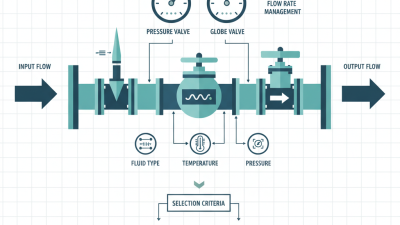
Selecting a Chinese flow control valve should begin with service conditions, not price. Identify the medium, pressure, temperature, viscosity, flow range, and required control accuracy. A valve suitable for clean water may fail quickly with abrasive slurry. The 2024 Grand View Research valve market report estimates continued global growth, but market expansion does not guarantee uniform manufacturing quality. Treat every supplier as a separate technical case.

Certification needs careful checking. ISO 9001 supports process control, yet it does not certify valve performance. For pressure equipment, verify applicable requirements under PED, ASME, API, or the destination country’s regulations. ISO 5208 defines pressure-test leakage rates, while ISO 15848 addresses fugitive emissions. Ask for current certificates, product scope, testing laboratory details, and serial-number traceability. A copied certificate is not evidence. Sadly, this still happens.

Quality inspection should include material certificates, positive material identification, dimensional checks, hydrostatic testing, seat-leakage testing, actuator calibration, and operating-cycle tests. The 2023 Valve World market analysis highlights stricter demand for reliability, automation, and emission control across industrial projects. Request inspection records before shipment. Use an independent inspector for critical applications. In one practical review, a valve passed the shell test but showed unstable control at low flow. That weakness was missed in the factory report. The lesson is uncomfortable: certification proves compliance with a defined test, not perfect field behavior. Include witnessed functional testing, spare-part availability, and documented corrective actions in the purchase contract.

What Are the Best Flow Control Valves from China?

Selection, certification, and quality inspection criteria for industrial valve sourcing

The chart presents a practical procurement weighting model for comparing flow control valves. Pressure-temperature compatibility and leakage performance receive the highest priority, while material traceability, certification documents, and lifecycle considerations support quality and long-term reliability. Buyers should verify applicable requirements against standards such as API 598, ISO 5208, EN 10204, and ISO 9001.

Back To Top