What Are the Benefits of Carbon Fiber Pipes for Your Project?
Carbon Fiber Pipes are revolutionizing various industries. They offer superior strength and lightweight characteristics that traditional materials cannot match. According to a report by MarketsandMarkets, the global carbon fiber reinforced plastic market is projected to reach $35 billion by 2025. This growth reflects a significant shift towards advanced materials in industrial applications.
Dr. Emily Carter, a leading expert in composite materials, states, "Carbon Fiber Pipes can withstand harsh environments better than metal or plastic counterparts." This durability makes them ideal for aerospace, automotive, and energy sectors. Their resistance to corrosion further enhances longevity and performance in critical applications.
However, the adoption of Carbon Fiber Pipes isn't without challenges. High manufacturing costs can be a barrier for some projects. Engineers must weigh these costs against the long-term benefits. Despite this, many projects find the return on investment justifies the initial expenditure. The need for careful consideration is vital as industries evolve towards sustainability and efficiency.
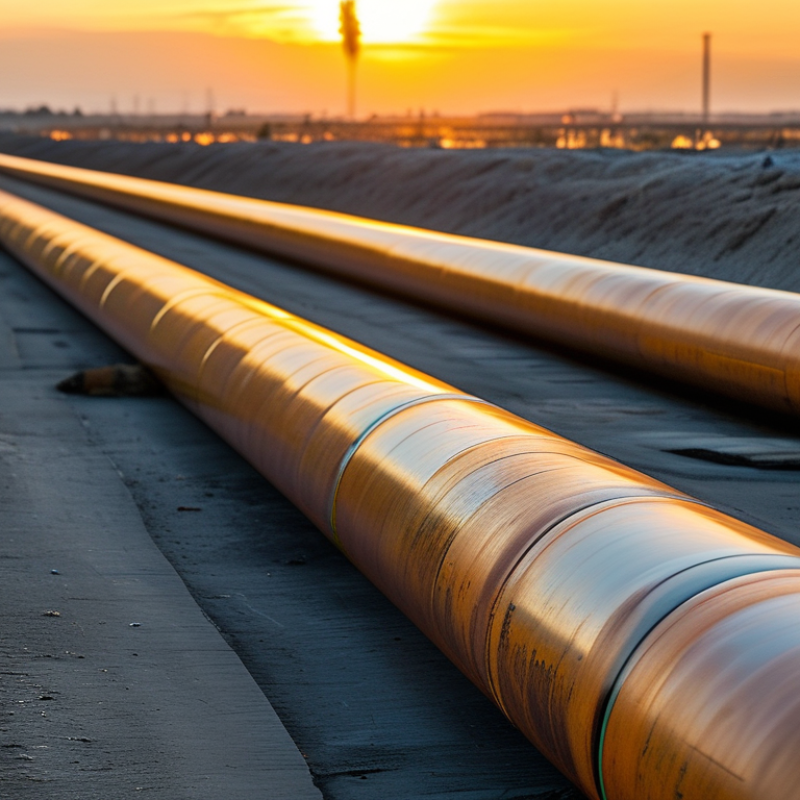
Benefits of Carbon Fiber Pipes in Various Industries
Carbon fiber pipes are transforming various industries, thanks to their unique properties. Their lightweight nature offers significant advantages in sectors like aerospace and automotive. This helps reduce fuel consumption and enhances efficiency. In the construction industry, carbon fiber pipes provide remarkable strength and durability, resisting corrosion and wear over time. This is crucial for projects involving water and sewage systems.
In the oil and gas sector, the use of carbon fiber pipes is growing. These pipes withstand high pressure and extreme temperatures, making them ideal for transporting fluids. However, implementing carbon fiber can be complex. Some projects may initially struggle with the cost and sourcing of materials. Understanding the installation process is vital for a successful application.
The benefits of carbon fiber work well in the marine industry too. Their resistance to saltwater corrosion extends the lifespan of components in harsh environments. Nevertheless, companies need expertise in handling and joining these pipes. It’s essential to educate teams on best practices to maximize the material's benefits. The versatility of carbon fiber pipes is evident across various applications, yet challenges remain in widespread adoption.
What Are the Benefits of Carbon Fiber Pipes for Your Project? - Benefits of Carbon Fiber Pipes in Various Industries
| Industry | Benefit | Description |
| Aerospace | Weight Reduction | Carbon fiber pipes are significantly lighter than metal alternatives, enhancing fuel efficiency and payload capacity. |
| Automotive | Strength and Durability | Exhibit excellent tensile strength and impact resistance, contributing to vehicle safety and longevity. |
| Marine | Corrosion Resistance | Resistant to saltwater and other corrosive environments, making them ideal for boat and ship construction. |
| Construction | Flexibility | Can be manufactured in various shapes and sizes, allowing for versatile applications in construction projects. |
| Oil and Gas | High Chemical Resistance | High resistance to harsh chemicals makes them suitable for transporting various fluids safely. |
Comparative Analysis of Carbon Fiber Pipes vs. Traditional Materials
Carbon fiber pipes offer a revolutionary shift in material choice for various projects. Compared to traditional materials like steel and PVC, they boast superior strength-to-weight ratios. For instance, a carbon fiber pipe is significantly lighter than metal alternatives, yet retains high tensile strength. This can lead to easier installation and reduced transportation costs.
When considering durability, carbon fiber pipes outperform many traditional options. They resist corrosion, which means a longer lifespan in harsh environments. In comparison, steel pipes often face rust issues, while plastic can degrade under UV light. Yet, carbon fiber requires careful handling; it can be vulnerable to damage from sharp impacts. This is an essential factor to evaluate during project planning.
Cost is another area for reflection. While carbon fiber pipes can be more expensive initially, the long-term savings in maintenance should not be overlooked. Traditional materials may require frequent replacements, which adds up over time. Ultimately, each project has unique demands, and the choice of materials must address these aspects carefully for optimal results.
Durability and Strength: Carbon Fiber Pipes Performance Metrics
Carbon fiber pipes offer remarkable durability and strength, making them an excellent choice for various projects. Their lightweight nature does not compromise on their performance metrics. In fact, carbon fiber is known for its high tensile strength, which means it can withstand significant pressure and tension. This is particularly useful in industries that require robust materials, such as Aerospace and Automotive applications.
When considering the integrity of carbon fiber pipes, resistance to corrosion is another critical factor. This material can endure harsh environments without degradation, ensuring longevity even in challenging conditions. However, the manufacturing process can be complex, and not all carbon fiber products are created equal. Variations in quality may affect performance metrics. Therefore, it’s essential to consult experts and evaluate different suppliers carefully. This deliberation can lead to better outcomes in your projects, although it might result in some trial and error.
Cost-Effectiveness of Carbon Fiber Pipes in Long-Term Projects
Carbon fiber pipes stand out for their cost-effectiveness, especially in long-term projects. These pipes offer a lightweight solution without compromising durability. When assessing the lifetime value, the initial investment might seem high. However, the long-term savings are considerable. Maintenance costs are typically lower than with traditional materials. This is due to carbon fiber's excellent resistance to corrosion and wear.
Moreover, carbon fiber pipes can lead to reduced transportation costs. Their lighter weight makes installation easier and more efficient. This can significantly lower labor costs, a key factor in any project budget. You’ll find that they often require fewer resources over time. It’s critical to analyze these factors when budgeting for any significant infrastructure work.
While lessons can be learned from early adopters, not every project will benefit equally. There can be challenges in sourcing reliable suppliers or ensuring proper installation techniques. Fluctuating market prices can affect initial costs. It is worthwhile to approach carbon fiber usage with a careful and informed perspective. Balancing upfront costs with reliable long-term performance will make a difference in overall project feasibility.
Environmental Impact and Sustainability of Carbon Fiber Usage
Carbon fiber pipes have a notable environmental advantage due to their lightweight nature. According to a study by the Journal of Cleaner Production, using carbon fiber can lead to a 50% reduction in energy consumption during transportation. This reduction significantly lowers the carbon footprint associated with logistics. Removing heavy materials, such as steel and concrete, from projects can further enhance their sustainability profile.
The production process of carbon fiber has improved over the years. Advances have led to a decrease in harmful emissions. A report by the American Composites Manufacturers Association highlights that modern processes emit 40% fewer greenhouse gases compared to older methods. However, it is essential to address the challenges of recycling carbon fiber. Currently, the recycling rate remains low, causing potential environmental concerns.
Manufacturers are actively researching methods to increase recyclability. Life cycle assessments reveal that while carbon fiber has a higher upfront environmental cost, its long-term benefits can outweigh initial impacts. Ongoing innovation is crucial in balancing performance with eco-friendliness. These aspects necessitate continuous reflection on sustainability practices in the industry.
Benefits of Carbon Fiber Pipes for Environmental Impact and Sustainability
 skip to Main Content
