skip to Main Content
Choosing the right Wood Pulp Filter Paper supplier can shape product quality, operating costs, and customer trust in 2026. Global buyers need more than attractive quotations. They need stable fiber sources, repeatable manufacturing, accurate technical data, and dependable export support.
This guide examines leading suppliers through practical purchasing criteria. These include basis weight, thickness, air permeability, pore structure, wet strength, and chemical compatibility. A filter paper roll may look uniform under warehouse lighting, yet small variations can affect flow rates and filtration results. Experienced buyers should request samples, test reports, batch records, and clear tolerance ranges before signing contracts.
Supplier credibility matters. Verified production capacity, transparent quality systems, and responsive technical teams provide stronger evidence than promotional claims. Buyers should also review packaging protection, lead times, minimum order quantities, and contingency plans for shipping disruptions. Compliance documentation must match the destination market and the intended application.
No supplier is perfect. Some offer excellent consistency but limited customization. Others provide flexible development support but need closer quality supervision. That trade-off deserves honest review. This article compares 2026 Wood Pulp Filter Paper suppliers from a global buyer’s perspective, focusing on measurable performance, communication, and long-term reliability. The aim is not to declare one universal winner. It is to help purchasing teams make better decisions, reduce avoidable risk, and select a partner suited to their actual filtration requirements.
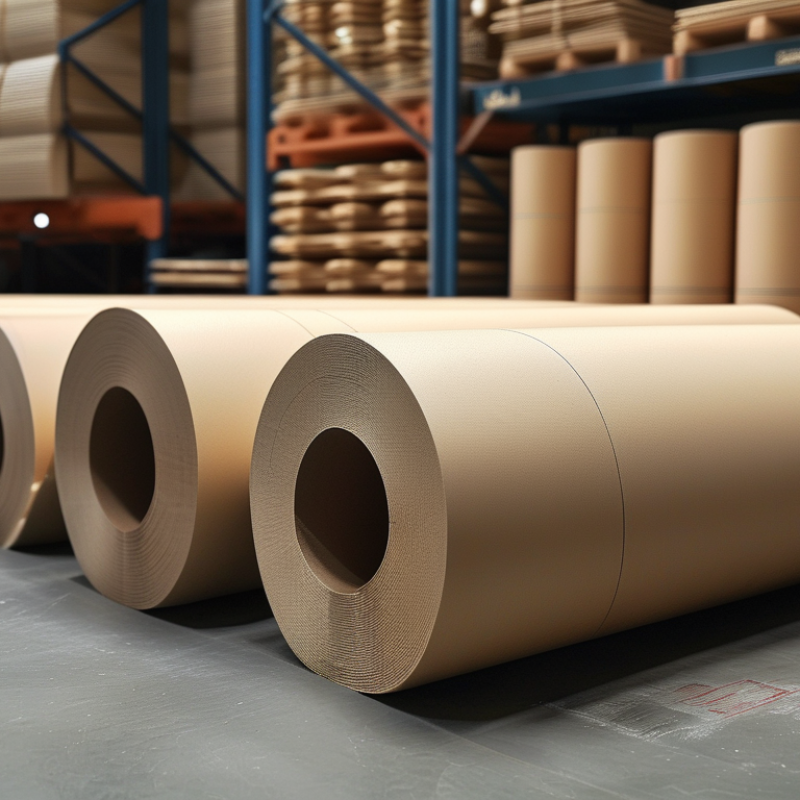
Wood pulp filter paper is a porous sheet made mainly from refined cellulose fibers. Its structure allows liquid or air to pass while retaining selected particles. Fiber length, basis weight, pore size, and wet strength determine performance. These details matter more than appearance.
Common types include qualitative paper for routine separation, quantitative ashless paper for laboratory analysis, and wet-strength grades for hot liquids or repeated handling. Some products use surface treatments to improve oil resistance or particle retention. In practical testing, a clear filtrate is not enough. Buyers should also check flow rate, extractables, burst strength, and fiber shedding.
The market has a broad raw-material base. FAO’s Forestry Production and Trade database recorded global wood pulp output at roughly 190 million tonnes in recent years. This supports steady cellulose availability, but it does not guarantee consistent filter-paper quality. Smithers’ filtration industry research also identifies laboratory, food, beverage, and industrial process filtration as continuing demand areas. Applications range from coffee cones and tea bags to gravimetric analysis, hydraulic fluids, and compressed-air systems.
A filter may look suitable on paper, yet fail after soaking. That is the part many specifications overlook. Test samples under actual temperature, pressure, chemical exposure, and contact time before approving a supplier.
2026 Top Wood Pulp Filter Paper Suppliers for Global Buyers
Buyers evaluating wood pulp filter paper suppliers in 2026 should inspect measurable quality, not polished promises. Ask for fiber source records, pulp grade, basis weight tolerance, thickness, air permeability, wet strength, and ash content. A reliable supplier provides current test reports, sampling methods, and production dates. Numbers matter. So does consistency across batches. In my experience, a sample can look excellent while full-roll performance changes under humidity. Request at least three lots, stored and tested under defined conditions.
Effective evaluation also requires process evidence. Review incoming-material controls, forming uniformity, drying temperature records, cleanliness procedures, and traceability from pulp to shipment. For sensitive applications, check extractables, odor, microbial control, and compatibility with the intended liquid or gas. Ask whether tests follow recognized ISO or ASTM methods, and confirm laboratory competence. Certificates alone are not enough. A signed document may hide an outdated test.
Supplier capability includes practical service. Compare lead times, minimum order quantities, packaging protection, moisture barriers, and response procedures for nonconforming rolls. Technical staff should explain pore structure and pressure-drop behavior without vague claims. Request a pilot trial using your real equipment. It can reveal edge curling, dust release, or sealing problems missed in bench tests. No supplier is perfect. The better partner admits limitations, records deviations, and proposes corrective action. Buyers should revisit specifications yearly, because recycled content, climate exposure, and process changes can affect performance unexpectedly.
For international buyers, selecting a wood pulp filter paper supplier requires more than a low quotation. Request technical data for basis weight, thickness, air permeability, pore size, wet strength, and ash content. These figures should match the intended filtration process, not merely appear attractive on a spreadsheet. Ask for recent certificates of analysis from several production batches. One sample can hide variation.
A reliable supplier should explain wood-fiber sourcing, pulping methods, bleaching controls, and lot traceability. During evaluation, inspect sample rolls for uneven edges, dust, pinholes, and moisture changes. Test the paper with the actual liquid, temperature, pressure, and equipment used in production. Test it. Paper varies. A supplier with experienced technical staff can adjust fiber blending or forming conditions when filtration speed changes.
International purchasing also depends on shipment discipline. Review standard lead times, packaging strength, pallet dimensions, export documents, and communication response times. Request a written procedure for handling nonconforming goods. Independent quality audits can reveal practical weaknesses, such as poor humidity control near finished rolls. Claims about sustainability should include measurable evidence, not general wording. A perfect scorecard is unrealistic; even experienced buyers may overvalue laboratory results and underestimate warehouse conditions. Start with a controlled trial, record every result, and reassess the supplier after repeated deliveries.
This 100-point procurement scorecard highlights the factors international buyers commonly review when evaluating wood pulp filter paper suppliers. Filtration performance and consistent product quality receive the highest weighting, followed by regulatory documentation, delivery reliability, cost competitiveness, and customization capability. Buyers should adapt the weighting to the intended application, destination market, and purchasing volume.
For 2026 sourcing, wood pulp filter paper suppliers should show more than catalog samples. FAO’s 2023 Forest Products Statistics recorded global paper and paperboard production above 400 million tonnes, reflecting a deep but complex supply base. Strong suppliers explain pulp origin, bleaching controls, basis weight, thickness, and pore-size consistency. They should also provide batch traceability and current test records.
Practical profiles separate capable mills from trading companies. A qualified supplier can adjust cellulose blends for coffee, laboratory, air, or liquid filtration. It should control wet strength without creating excessive extractables. Look for reported air permeability, burst strength, ash content, and flow-rate data. Small details matter. A loose edge can ruin a production run.
Smithers’ filtration market analysis identifies continued demand for higher-performance media through 2028, especially where process reliability matters. Suppliers with pilot-scale forming and converting equipment can test pleating, cutting, and sealing before mass production. ISO-based laboratory methods improve comparison, but they do not replace application trials. I would request samples from three lots, not one. One sample can flatter a weak process. A supplier may also claim sustainable sourcing without showing chain-of-custody evidence; that deserves careful questioning. Pricing remains important, yet unstable pulp costs, moisture variation, and shipping damage can outweigh a low quotation.
2026 Top Wood Pulp Filter Paper Suppliers for Global Buyers
Selecting a wood pulp filter paper supplier requires more than comparing prices. Buyers should verify fiber composition, basis weight, thickness, flow rate, wet strength, and particle retention. Request recent test reports and production samples from the same lot. A clear certificate of analysis can reveal variation before shipment. I have seen small basis-weight changes affect filtration speed and sealing performance.
Compliance must match the destination market and the final application. Ask for declarations covering chemical restrictions, food-contact use, or other applicable requirements. Do not accept generic certificates without checking their scope, issue date, and testing laboratory. Supplier audits should review traceability, hygiene controls, worker safety, and document retention. Requirements differ across countries. That detail is easy to miss.
Tips: Confirm minimum order quantities, lead times, pallet dimensions, and moisture-resistant packaging. Include lot numbers on cartons and require advance notice for material changes. Calculate landed cost, not only the invoice price. Build a backup source for critical grades, but qualify it through identical testing. A cheaper supplier may create higher inspection costs. Our assumptions can still be wrong, especially when samples perform well but commercial batches vary. Regular incoming checks remain necessary.
| Anonymous Supplier Profile | Typical Manufacturing Region | Primary Product Focus | Typical Basis Weight | Typical Thickness | Common Supply Format | Indicative MOQ | Typical Production Lead Time | Common Export Terms | Relevant Compliance Evidence | Key Buyer Checks |
|---|---|---|---|---|---|---|---|---|---|---|
| Profile A – High-Volume Bleached Pulp Mill | Northern Europe and North America | Standard laboratory, beverage, and food-filtration grades | 30–120 g/m² | 65–250 μm | Master rolls, slit rolls, and sheets | 500 kg–2 metric tons | 4–8 weeks after approval | FCA, FOB, CIF, and DAP by quotation | FSC or PEFC chain-of-custody option, ISO 9001, product specification, safety data where applicable | Fiber origin, pore-size consistency, wet strength, migration requirements, and lot traceability |
| Profile B – Specialty Wet-Laid Paper Converter | Western Europe and East Asia | Fine-pore, high-purity, and analytical filtration paper | 20–90 g/m² | 45–180 μm | Precision sheets, discs, and narrow rolls | 100–500 kg | 6–10 weeks, including testing | FCA, CPT, and DAP | ISO 9001, technical data sheet, chemical declarations, and controlled change procedure | Particle retention, flow rate, extractables, ash content, and test-method alignment |
| Profile C – Asia-Pacific Volume Exporter | China, Japan, South Korea, and Southeast Asia | Tea, coffee, laboratory, and general-purpose filter media | 25–150 g/m² | 55–300 μm | Rolls, sheets, die-cut discs, and finished filter bags | 300 kg–1 metric ton | 3–7 weeks, plus ocean transit | FOB, CFR, CIF, and DDP subject to destination | ISO 9001, food-contact declaration where relevant, REACH declaration, and origin documents | Factory audit, sample-to-bulk consistency, packaging protection, and export documentation |
| Profile D – Custom Converting Specialist | Central and Eastern Europe | Printed, perforated, folded, and die-cut filter components | 35–180 g/m² | 70–350 μm | Finished components, pouches, rolls, and custom packs | 50,000–250,000 pieces or 250–750 kg | 5–9 weeks after artwork and tooling approval | FCA, DAP, and local-delivery contracts | ISO 9001, food-contact documentation where applicable, ink and adhesive declarations | Tooling ownership, artwork approval, seal strength, dimensional tolerance, and revision control |
| Profile E – Sustainable Fiber Supplier | Scandinavia, Western Europe, and certified forestry regions | Unbleached, chlorine-free, recycled-content, and certified-fiber grades | 30–160 g/m² | 70–320 μm | Rolls and sheets for food, beverage, and industrial use | 500 kg–2 metric tons | 5–9 weeks | FCA, FOB, CIF, and DAP | FSC or PEFC chain-of-custody certificate, ISO 14001, recycled-content evidence where claimed | Certificate validity, recycled-content calculation, bleaching process, carbon data, and claim authorization |
| Profile F – North American Industrial Grade Producer | United States and Canada | High-strength industrial, laboratory, and process filtration paper | 50–250 g/m² | 100–500 μm | Large rolls, sheets, and engineered filter elements | 1–5 metric tons | 6–12 weeks | EXW, FCA, FOB, and delivered regional terms | ISO 9001, ISO 14001, occupational-safety certification, and product compliance statement | Burst strength, tensile strength, thermal resistance, domestic content requirements, and continuity planning |
| Profile G – Latin American Pulp-Based Supplier | Brazil, Chile, Mexico, and neighboring markets | Bleached kraft-pulp grades for beverage, food, and industrial filtration | 30–140 g/m² | 65–280 μm | Rolls, sheets, and converted filter bags | 500 kg–2 metric tons | 5–10 weeks, plus ocean transit | FOB, CFR, CIF, and DAP | FSC or PEFC option, ISO 9001, origin documentation, and destination-market declarations | Port reliability, humidity control, container loading, pulp traceability, and seasonal capacity |
| Profile H – Regional Stock-and-Slit Distributor | Major logistics hubs in Europe, Asia, and North America | Standard grades held in inventory for short delivery cycles | 25–180 g/m² | 50–360 μm | Slit rolls, sheets, discs, and small production batches | 25–250 kg | 1–3 weeks from regional stock; 6–10 weeks for replenishment | EXW, FCA, DAP, and local delivery | Original mill certificate, batch traceability, storage records, and applicable product declarations | Storage age, humidity exposure, source mill, slitting accuracy, and continuity of replenishment |
