skip to Main Content
Choosing among the 2026 top types of pressure reducing valves is not a simple catalog exercise. It is a decision about stability, flow demand, maintenance, and safety. A valve that performs well at 10 bar may behave poorly at low flow. Small details matter.
Greg McMillan, a respected process-control authority, often stresses, “The final control element must be selected for the process, not merely for the pipe.” That principle applies directly to pressure reducing valves. Direct-acting models remain practical for compact systems, clean fluids, and moderate flow rates. Pilot-operated valves usually offer tighter pressure control in larger pipelines. Electronic pressure reducing valves add sensors, remote adjustment, and useful data for modern water and industrial networks.
The right choice depends on reality.
This guide will compare these valve types through operating pressure, response speed, installation conditions, and lifecycle cost. It will also examine steam, water, gas, and process-fluid applications. A pilot-operated valve may look efficient on paper, yet it can demand cleaner fluid and more careful commissioning. An electronic model may improve monitoring, but its sensors and controls introduce additional failure points. That trade-off deserves honest attention.
Field experience often exposes what specifications miss. Noise, vibration, pressure surges, clogged pilots, and unstable downstream demand can change the result. Therefore, this 2026 overview focuses on practical selection rather than fashionable features. Some recommendations may require reconsideration as digital control, energy efficiency, and maintenance data continue to reshape the pressure reducing valves market.
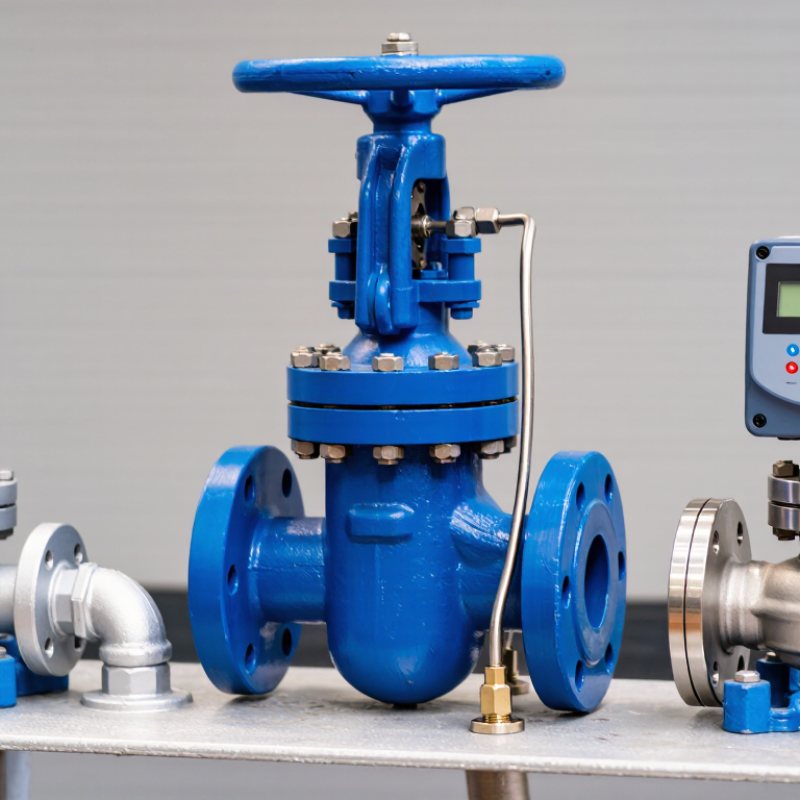
A pressure reducing valve, or PRV, lowers excessive inlet pressure and maintains a safer outlet pressure. It works through a spring, diaphragm, or piston that senses downstream pressure. When outlet pressure drops, the valve opens wider. When pressure rises, it closes gradually. This balance protects pipes, heaters, pumps, and sensitive equipment from sudden pressure changes.
In 2026, common PRV types include direct-acting, pilot-operated, differential-pressure, and electronic valves. Direct-acting valves suit smaller lines and simple installations. Pilot-operated models handle higher flow with steadier control. Differential-pressure valves help maintain flow balance in heating and cooling circuits. Electronic valves offer precise adjustment and remote monitoring, but they need reliable sensors and power. Real systems are rarely perfect. A valve may perform well on paper yet struggle with dirty water, unstable flow, or incorrect sizing.
Tips: Check the required inlet, outlet, and flow pressures before selection. Install gauges on both sides of the valve. A strainer can reduce debris-related problems. Leave enough service space for inspection and diaphragm replacement. Listen for chattering or vibration; these sounds often indicate poor sizing, air, or unstable demand. Do not set the outlet pressure by guesswork. Record the tested setting after commissioning, then review it when operating conditions change.
In 2026, the main pressure reducing valve types remain direct-acting, pilot-operated, and electronically controlled designs. Each reduces higher inlet pressure to a safer, steadier outlet level. The best choice depends on flow demand, pressure range, fluid cleanliness, and maintenance access.
Direct-acting valves use a spring and diaphragm to sense outlet pressure. They respond quickly and have a simple internal structure. This makes them practical for small buildings, branch lines, and modest flow rates. Their weakness is pressure droop. Outlet pressure may fall as demand increases. Pilot-operated valves use a small pilot mechanism to control the main valve. They offer tighter regulation and higher flow capacity. I have found them effective in large water systems. However, blocked sensing lines can cause unstable control. Maintenance matters.
Electronically controlled reducing valves use pressure sensors, actuators, and programmed settings. They suit systems with changing demand, remote monitoring, or precise pressure zones. They also need reliable power and correct configuration. A software setting cannot repair a poor installation. Differential-pressure designs can maintain a set pressure difference across equipment, such as filters or heat exchangers. Selection should include inlet pressure, target outlet pressure, minimum and maximum flow, temperature, and fluid compatibility. Small details matter, especially sensing-line placement and downstream pipe length. Even experienced engineers should verify actual operating conditions instead of relying only on catalog data.
Pressure reducing valves are commonly grouped by their control method. Direct-acting valves use the downstream pressure directly against a spring, pilot-operated valves use a pilot circuit for more precise control, and electronically controlled valves use sensors and an actuator for adjustable pressure management. The values shown represent representative control and sensing points, not market share or brand performance.
In 2026, direct-acting and pilot-operated pressure reducing valves remain common choices for water, steam, gas, and process lines. Their difference becomes clear during commissioning. A direct-acting valve uses outlet pressure against a spring and diaphragm. It reacts quickly when downstream demand changes. Its compact body also suits small equipment and limited installation space.
Direct-acting valves are simple, but outlet pressure may fall as flow increases. This effect is called droop. A technician may set 4 bar at low flow, then measure only 3.5 bar near full demand. Pilot-operated valves handle larger flows more steadily. A small pilot senses downstream pressure and controls the main valve. The main body can then open widely without relying on one large spring.
Pilot-operated designs usually need a minimum pressure difference to work correctly. They also include narrow passages, filters, and sensing tubes. Dirt can block these parts. During inspection, check the strainer, impulse line, and downstream gauge. A blocked sensing line can create an unsafe pressure reading, even when the valve appears normal.
The choice is not always obvious. Fast response can matter more than maximum capacity. A larger valve is not automatically better. Pipe size, pressure ratio, fluid cleanliness, noise, and maintenance access all influence performance. Engineers sometimes overlook startup flow, which can make a carefully selected valve hunt or chatter. Testing under realistic demand remains essential.
| Valve Type | Operating Principle | Typical Flow Capacity | Typical Outlet-Pressure Control | Response and Turndown | Best-Fit Applications | Main Advantages and Limitations |
|---|---|---|---|---|---|---|
| Direct-Acting Spring-Loaded Diaphragm | Downstream pressure acts directly on a diaphragm or sensing element against an adjustable spring. The valve position changes without a separate pilot circuit. | Low to medium; commonly selected for small and medium flow rates. | Typically about ±5% to ±10% of the set pressure under stable conditions. | Fast response; moderate turndown. Outlet pressure can vary more as flow changes. | Point-of-use water systems, compressed air, inert gases, small steam services, and general utility lines. | Simple, compact, and economical with no external pilot tubing. Less accurate and less stable than pilot-operated designs at high flow or large pressure ratios. |
| Direct-Acting Piston-Sensed | Downstream pressure moves a piston directly against a spring. The piston and trim provide the throttling action. | Low to medium; suitable where a robust sensing element is preferred. | Typically about ±5% to ±10% of the set pressure, depending on design and service conditions. | Fast response with moderate turndown; piston friction may affect low-flow sensitivity. | Water, air, gas, hydraulic circuits, and applications requiring a rugged compact regulator. | Strong and relatively simple. Piston seals require attention to contamination, wear, and friction-related hysteresis. |
| Pilot-Operated Diaphragm | A separate pilot valve senses downstream pressure and controls loading pressure on the main diaphragm, allowing the main valve to open or close with lower sensing force. | Medium to very high; well suited to larger nominal pipe sizes and high flow rates. | Typically about ±1% to ±3% of the set pressure when correctly sized and installed. | Good stability and wide turndown; response is generally slower than a basic direct-acting valve because the pilot circuit must respond. | Municipal water distribution, process water, fire-protection systems, steam, and large utility pipelines. | High capacity and accurate pressure control. More expensive and complex; pilot tubing, strainers, and sensing lines require correct installation and maintenance. |
| Pilot-Operated Piston | The pilot controls pressure on a piston actuator, which positions the main valve plug or seat according to downstream pressure. | Medium to high; commonly used where high differential pressure or rugged actuation is required. | Typically about ±1% to ±3% of the set pressure, subject to trim and pilot configuration. | Stable control and wide turndown; piston friction and pilot restrictions can influence response. | High-pressure gas, hydraulic power, process services, and demanding industrial pressure-reduction duties. | Handles demanding pressure conditions and offers strong actuator force. Requires clean fluid, compatible seals, and more detailed servicing. |
| Differential-Pressure-Control Valve | The valve regulates a defined pressure difference between two points rather than maintaining only a fixed downstream pressure. | Low to high, depending on valve size and control configuration. | Maintains a specified differential-pressure setpoint; accuracy is application- and sensor-dependent. | Good dynamic control when sensing lines are correctly located; response depends on the sensing arrangement. | Hydronic heating and cooling, pump bypass systems, filtration circuits, and process-flow control. | Useful for protecting equipment and stabilizing system flow. It is not a substitute for a conventional downstream pressure regulator when a fixed outlet pressure is required. |
| Electropneumatic or Electrically Controlled Pressure-Reducing Valve | An electronic pressure sensor and controller command a motorized, solenoid, or electro-pneumatic actuator to adjust the valve position. | Low to high, depending on the underlying control valve and actuator. | Can provide tighter control than mechanical regulators when properly tuned; actual accuracy depends on sensor, controller, and valve resolution. | Programmable response, remote adjustment, alarms, and data logging; requires power and control-system integration. | Automated process plants, smart water networks, test systems, and applications with changing pressure setpoints. | Flexible and suitable for monitoring and remote control. Higher system complexity, dependence on instrumentation, and possible fail-safe concerns during power loss. |
| Comparison Factor | Direct-Acting Valve | Pilot-Operated Valve |
|---|---|---|
| Sensing and actuation | Downstream pressure directly moves the main regulating element. | A pilot valve uses downstream pressure to control the main valve actuator. |
| Accuracy and stability | Generally lower accuracy, with greater droop as flow increases. | Generally higher accuracy and better stability over changing flow conditions. |
| Flow capacity | Best for low to medium flow rates. | Best for medium to very high flow rates. |
| Response speed | Usually faster because the mechanism has fewer control components. | Usually slower but more controlled because the pilot circuit modulates the main valve. |
| Installation and maintenance | Simple installation, fewer components, and straightforward maintenance. | Requires correct pilot piping, sensing-line placement, filtration, and periodic pilot maintenance. |
| Typical selection priority | Choose for simplicity, compact size, fast response, and moderate flow requirements. | Choose for high capacity, wide turndown, large pressure reduction, and tighter pressure regulation. |
Choosing the right pressure reducing valve depends on the application, not only the target pressure.
Direct-acting valves suit small flow rates, simple layouts, and stable water systems. They respond quickly and remain easy to adjust in compact installations. However, their accuracy can decline when inlet pressure or demand changes sharply. That limitation is often overlooked.
Pilot-operated valves fit larger pipelines, industrial water networks, steam lines, and process systems with fluctuating flow.
A pilot assembly senses downstream pressure and controls the main valve gradually. This design usually provides better capacity and tighter pressure control. It also needs cleaner fluid and more careful maintenance.
Field inspections often find blocked pilot passages before the main valve shows visible damage.
Electronic pressure reducing valves serve applications requiring remote monitoring, scheduled pressure changes, or rapid response.
They can support smart water distribution, testing equipment, and automated manufacturing lines. For aggressive fluids, the body and trim need suitable corrosion-resistant materials.
Steam service also requires attention to temperature ratings, drainage, and installation direction.
Valve sizing should consider minimum flow, maximum flow, inlet pressure, outlet pressure, temperature, and noise limits.
Oversizing may cause unstable operation at low demand. Undersizing creates excessive pressure loss and premature wear.
A selection chart helps, but it cannot replace actual operating data. Even experienced engineers should question assumptions made from average conditions.
Pressure reducing valve selection should begin with operating conditions, not valve popularity. Direct-acting valves suit smaller systems with steady demand and moderate flow changes. Pilot-operated valves offer tighter control in large water, steam, and process networks. Differential-pressure and electronic valves can support variable-load systems, but they require better sensing and commissioning.
Start with the numbers. Record inlet pressure, required outlet pressure, minimum and maximum flow, fluid temperature, and allowable pressure loss. A valve sized only for average flow may hunt, chatter, or fail to control during peak demand. It happens more often than many specifications admit. The 2024 U.S. EPA Drinking Water Infrastructure Needs Survey estimates $625 billion in drinking-water investment needs over 20 years. That scale makes lifecycle reliability more important than the lowest purchase price.
Fluid compatibility matters. Stainless steel may suit corrosive water, while suitable alloys and seals are essential for hot steam or chemical service. Check cavitation risk, noise limits, relief protection, maintenance access, and local code requirements. For industrial steam systems, the U.S. Department of Energy reports that process heating represents about 51% of manufacturing energy use. A poorly selected reducing valve can therefore increase waste through unstable pressure and unnecessary venting. Pilot systems may improve control, yet they add small passages that can clog in dirty service. Filtration is not optional. A site survey, verified calculations, and witnessed testing provide stronger evidence than a catalog table alone.