2026 Best Plaza Musical Fountains for Global Buyers?
In 2026, Plaza Musical Fountains are becoming central features in retail districts, hotel promenades, civic squares, and mixed-use developments. Global buyers now expect more than colorful water displays. They want reliable engineering, memorable performances, efficient operation, and safe public experiences.
Mark Fuller, founder of WET, describes the design philosophy clearly: “Water can be a source of inspiration, a gathering place, and a celebration.” That idea remains practical for today’s projects. A successful fountain should draw visitors without overwhelming the surrounding architecture. Its water patterns should feel visible from a distance, yet detailed enough for people standing beside the basin.
This guide examines the 2026 market from a buyer’s perspective. It considers nozzle design, pump performance, LED lighting, music synchronization, control systems, filtration, and maintenance access. Climate matters too. A fountain designed for a dry desert plaza may need different materials and water-management strategies than one installed in a cold northern city.
Small details often decide long-term value. Operators need clear service panels, durable underwater fixtures, and responsive technical support. Accessibility and slip-resistant surfaces also deserve serious attention. They are not decorative extras.
The market is moving quickly.
Still, not every impressive fountain is a wise investment. Some systems look spectacular during commissioning but become difficult to maintain later. Buyers should question energy use, spare-part availability, operator training, and lifecycle costs before approving a design. The best Plaza Musical Fountains balance emotion with measurable performance, even when the final decision requires a second look.
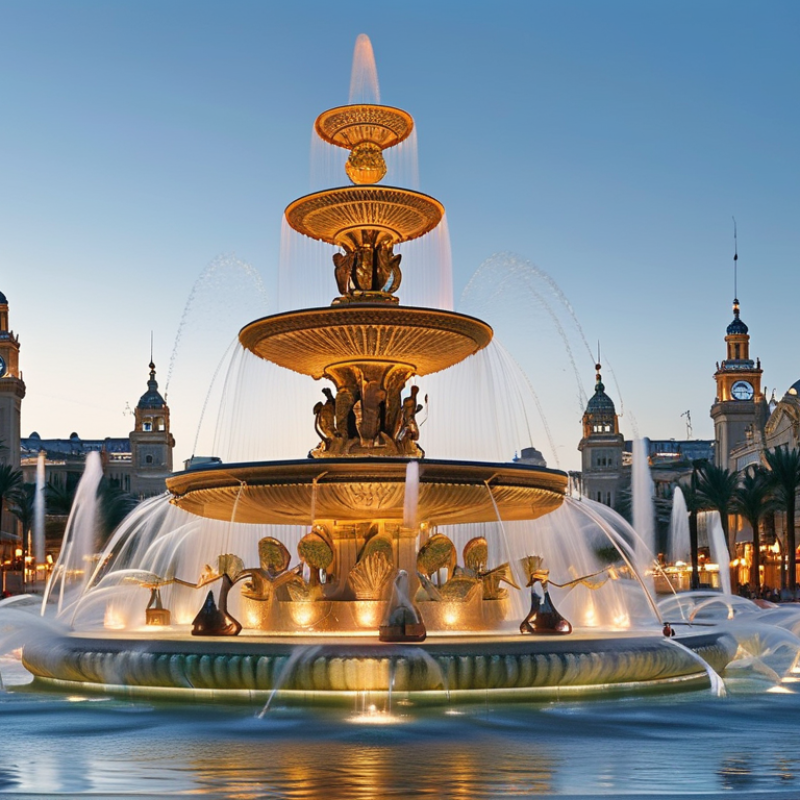
Plaza Musical Fountains: Definition, Purpose, and Core Features
A plaza musical fountain is an interactive water installation that combines programmed jets, lighting, music, and architectural space. It is designed for open areas such as civic squares, shopping districts, hotels, and cultural venues. Unlike a decorative pool, it creates timed movement that visitors can watch, hear, and sometimes experience from nearby walkways.
Its purpose extends beyond visual beauty. A well-planned fountain can attract visitors, support public events, and give an ordinary plaza a stronger identity. Water patterns may rise, pause, twist, or form arches beside entrances and seating areas. Designers usually consider climate, pedestrian flow, noise levels, water treatment, and maintenance access. These details affect daily operation more than the opening ceremony.
Core features include variable-speed pumps, precision nozzles, programmable controls, LED lighting, speakers, filtration, and safety sensors. Good systems allow separate zones, so one section can operate while another receives service.
From practical project experience, drainage and cleaning access deserve early attention. They are often underestimated. A beautiful design may become expensive when technicians cannot reach the pumps easily. The most reliable installations also include weather protection, water-level monitoring, and manual controls for unexpected conditions. A perfectly synchronized show is impressive, but dependable operation matters more during busy public hours.
Main Types of Musical Fountains for Public Plazas
2026 Best Plaza Musical Fountains for Global Buyers?
Public plazas need more than attractive water movement. They need the right fountain type for climate, crowd flow, maintenance access, and sound control. The main options include dry-deck fountains, pool-based musical fountains, interactive splash systems, and architectural wall fountains.
Dry-deck models keep the surface level when inactive, allowing pedestrians to cross safely. Pool-based systems create stronger visual depth, but require more space and regular water treatment.
Interactive fountains invite participation. They also demand careful drainage and slip-resistant paving.
UN-Habitat’s World Cities Report 2022 states that 56% of the global population lived in urban areas in 2021, with this share expected to reach 68% by 2050. That growth increases demand for flexible public spaces. Grand View Research valued the smart water management market at approximately USD 20.8 billion in 2023, showing how sensors and automated controls are entering water infrastructure. For buyers, these technologies can monitor levels, pump performance, leaks, and chemical balance.
Details matter. A well-tuned system should keep music clear near seating, while limiting spray near electrical cabinets. A 30-minute program may need several pump speeds, not one constant flow. I have seen designs that looked impressive on drawings but created glare, slippery edges, and difficult cleaning routes. Bigger is not always better.
Installation, Safety, Maintenance, and Operating Requirements
2026 Best Plaza Musical Fountains for Global Buyers?
A musical fountain needs more than attractive jets and synchronized lighting. Installation starts with a structural survey, drainage plan, and electrical load assessment. Experienced contractors should confirm soil conditions before placing the basin. Poor leveling can create uneven water depth and unstable spray patterns. Use certified electrical equipment with suitable protection against moisture. Emergency stop controls must remain visible and reachable. Local engineers should verify compliance with regional building, water, and electrical requirements.
Tips: Leave service access around pumps and filters. Label every valve clearly. Test emergency shutdowns weekly. Keep wet surfaces slip-resistant. Store maintenance records digitally and on site. Small oversights become expensive repairs.
Operating requirements deserve equal attention. Operators should monitor water quality, pump pressure, lighting temperature, and unusual vibration during every opening cycle. A blocked nozzle may affect nearby visitors within minutes. Schedule filter cleaning, pump inspections, and sensor calibration according to actual usage, not only supplier estimates. Heavy rain, dust, and seasonal temperature changes can alter performance. Operators may need to adjust chemical treatment and programming. Remote monitoring is useful, but it should not replace physical inspections. One overlooked cable seal can stop an entire show. A practical weakness remains common: maintenance budgets are often reduced after installation, even though water systems demand continuous care.
2026 Best Plaza Musical Fountains for Global Buyers
Recommended inspection intervals for installation handover, safety, maintenance, and daily operation planning
How to use this chart: Plan water-quality checks daily during operation, inspect filters weekly, and schedule pump, control-panel, and electrical safety inspections monthly. Deep cleaning every 90 days and seasonal winterization reviews every 180 days are practical planning benchmarks. Local electrical, accessibility, water-quality, and public-safety regulations should always take priority.
 skip to Main Content
